



Before the Language Lesson
A learner finds a seat and gets ready for a German lesson with a classmate. The cards follow their conversation from bags and books to reading, writing, and the start of class. Short questions and requests use the informal form du.
 Vocafy
•
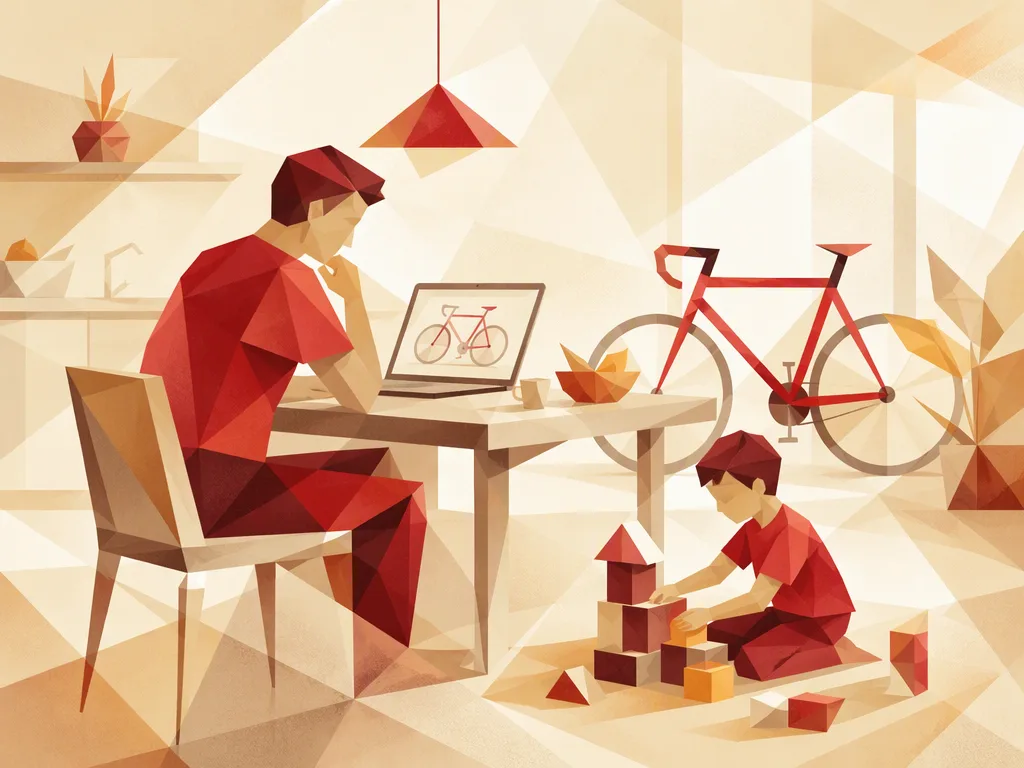
A New Direction in Your Working Life
Everyday career-change phrases connect past experience with new learning. A parent moves from store work to bicycle repairs while balancing classes and family life. The phrases follow each step, from choosing a course to earning a living.
Vocafy
•

Finding the Energy to Keep Trying
Spanish idioms and collocations express renewed effort after a setback. The cards follow a speaker and Ana as they revise a rejected work project. Familiar encouragement phrases lead into stronger expressions for facing fear, finding energy, and noticing progress.
Vocafy
•
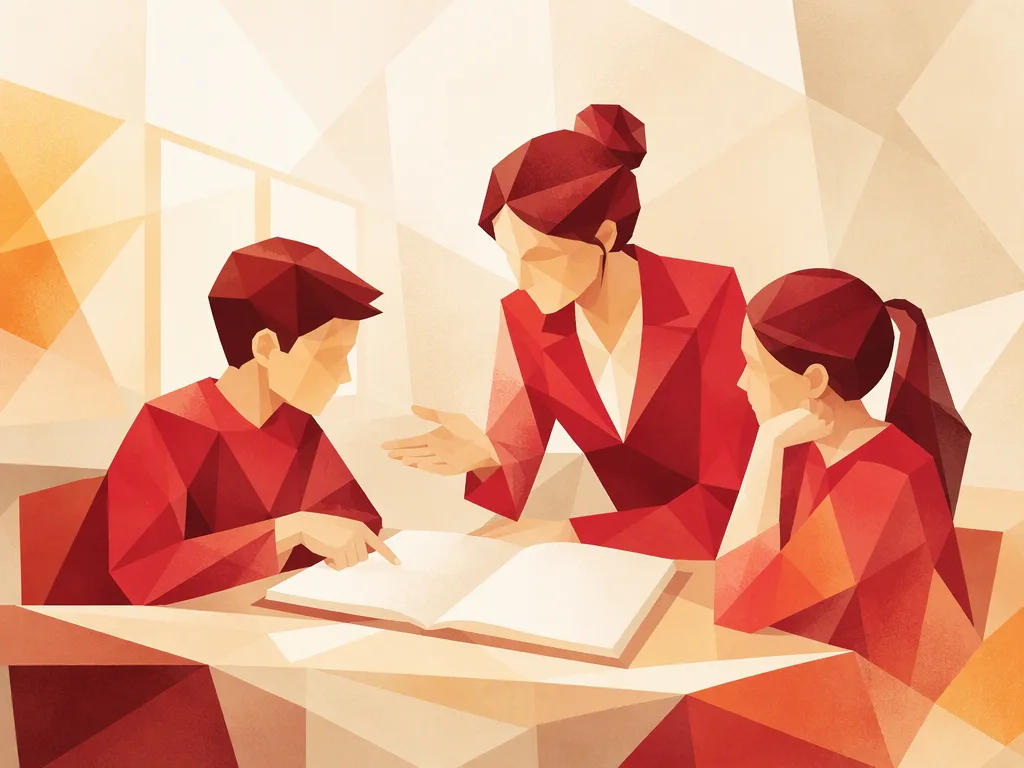
Asking What Someone Means
Ask what unfamiliar Spanish words and phrases mean. A student speaks politely to a teacher with usted and talks to a classmate with tú. The questions move from simple meanings to examples, differences, and clearer explanations.
Vocafy
•

A First Language-Exchange Session
These words and phrases follow a first meeting with a language-exchange partner. The conversation uses informal tú, with equal practice time and easy topics. Words about family and work return in short questions and requests.
Vocafy
•

Checking How Your Child Is Doing in Class
A parent talks with a teacher about class participation, homework, and progress. The conversation moves from questions about the child to a plan for help at home. Short questions use polite usted forms and familiar school words.
Vocafy
•

Joining a Local Language School
The cards cover polite questions and everyday words for joining a local language school. One learner asks about a course, chooses a schedule, and enrolls. Questions use usted forms with school staff.
Vocafy
•

Learning a Little Outside Class
Everyday words and short questions describe learning Spanish at home. A learner reads, writes, and practices with Ana, a language-exchange partner. Short examples reuse familiar words and include friendly advice with tú.
Vocafy
•

Getting Ready for a Language Lesson
A conversation with a classmate covers checking a language lesson and getting materials ready. The cards follow the moments before class, from checking the time to opening a book. Informal questions use tú for talking with a classmate.
Vocafy
•

Changing Careers
Common career-change phrases cover transferable skills, retraining, and moving into a new field. A store manager prepares for a job in project management with help from Maya. The examples follow each step, from considering a change to settling into a new role.
Vocafy
•

At the Library
Meet common questions for finding, borrowing, and returning a library book. The cards follow a reader who asks for help, gets a library card, and brings the book back. Short questions with can I and do you appear throughout.
Vocafy
•

Talking to Your Child's Teacher
A parent and teacher talk about a child's progress at school. The conversation moves from a greeting to classwork, homework, and help at home. Short questions and answers follow the same child, Sam.
Vocafy
•
Before the Language Lesson
A learner finds a seat and gets ready for a German lesson with a classmate. The cards follow their conversation from bags and books to reading, writing, and the start of class. Short questions and requests use the informal form du.
Vocafy
A New Direction in Your Working Life
Everyday career-change phrases connect past experience with new learning. A parent moves from store work to bicycle repairs while balancing classes and family life. The phrases follow each step, from choosing a course to earning a living.
Vocafy
Finding the Energy to Keep Trying
Spanish idioms and collocations express renewed effort after a setback. The cards follow a speaker and Ana as they revise a rejected work project. Familiar encouragement phrases lead into stronger expressions for facing fear, finding energy, and noticing progress.
Vocafy
Asking What Someone Means
Ask what unfamiliar Spanish words and phrases mean. A student speaks politely to a teacher with usted and talks to a classmate with tú. The questions move from simple meanings to examples, differences, and clearer explanations.
Vocafy
A First Language-Exchange Session
These words and phrases follow a first meeting with a language-exchange partner. The conversation uses informal tú, with equal practice time and easy topics. Words about family and work return in short questions and requests.
Vocafy
Checking How Your Child Is Doing in Class
A parent talks with a teacher about class participation, homework, and progress. The conversation moves from questions about the child to a plan for help at home. Short questions use polite usted forms and familiar school words.
Vocafy
Joining a Local Language School
The cards cover polite questions and everyday words for joining a local language school. One learner asks about a course, chooses a schedule, and enrolls. Questions use usted forms with school staff.
Vocafy
Learning a Little Outside Class
Everyday words and short questions describe learning Spanish at home. A learner reads, writes, and practices with Ana, a language-exchange partner. Short examples reuse familiar words and include friendly advice with tú.
Vocafy
Getting Ready for a Language Lesson
A conversation with a classmate covers checking a language lesson and getting materials ready. The cards follow the moments before class, from checking the time to opening a book. Informal questions use tú for talking with a classmate.
Vocafy
Changing Careers
Common career-change phrases cover transferable skills, retraining, and moving into a new field. A store manager prepares for a job in project management with help from Maya. The examples follow each step, from considering a change to settling into a new role.
Vocafy
At the Library
Meet common questions for finding, borrowing, and returning a library book. The cards follow a reader who asks for help, gets a library card, and brings the book back. Short questions with can I and do you appear throughout.
Vocafy
Talking to Your Child's Teacher
A parent and teacher talk about a child's progress at school. The conversation moves from a greeting to classwork, homework, and help at home. Short questions and answers follow the same child, Sam.
Vocafy