


เพิ่มพูนคำศัพท์ของคุณด้วยชุด Voca
สำรวจชุด Voca ในทุกระดับ CEFR ฝึกด้วยเสียงแบบอินเทอร์แอกทีฟ หรือสร้างชุดที่ปรับแต่งเองด้วย AI ได้ในไม่กี่วินาที

Talking About Weekend Plans
 Vocafy

Asking for Street Directions
Vocafy
Trying on Clothes
Vocafy

Eating at a Restaurant
Vocafy

Checking Into a Hotel Room
Vocafy
ชุด Voca แนะนำ
Talking About Weekend Plans
You meet everyday words and short phrases for weekend plans. One friend talks with Mia and Ben about movies, dinner, and time together. The examples reuse familiar activities as the friends choose what to do.
Vocafy
Asking for Street Directions
Basic questions and street directions guide a walk to the library. You ask a woman for help, follow her directions, and find the entrance. Short questions and directions appear alongside words for places you pass.
Vocafy
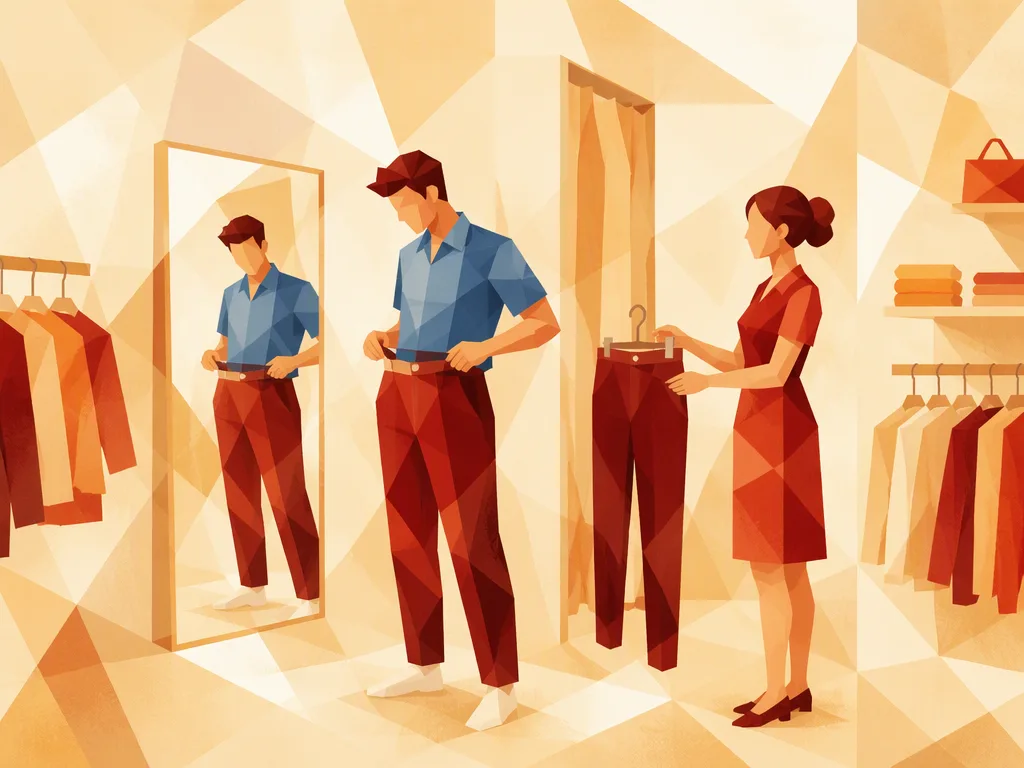
Trying on Clothes
Common words and short phrases for trying on clothes appear in a shopping story. A shopper chooses a shirt and pants, tries them on, and asks for different sizes. Size words and short phrases show what feels wrong and what fits well.
Vocafy
Eating at a Restaurant
You meet common restaurant words and polite requests. Two friends find a table, choose drinks, and order food. The examples reuse familiar words in short questions and requests.
Vocafy
Checking Into a Hotel Room
Hotel check-in includes names, room details, and a room key. A guest gives reservation details and asks about the room and breakfast. Short questions reuse words like room and key.
Vocafy

Getting Coffee With a Friend
Meet a friend at a café and order a drink. Follow the visit from finding a table to drinking coffee and tea. Short requests repeat familiar words for drink choices and payment.
Vocafy

Checking In for a Flight
This set covers checking in for a flight and dropping off a bag. The cards follow a traveler from the check-in counter to the bag drop. Short requests and repeated words connect each step.
Vocafy

Meeting Someone New
This set covers greetings and simple personal details when you meet someone new.Two people say hello, talk about home, family, work, and interests, and then say goodbye. Short questions and answers repeat familiar words.
Vocafy
กำลังมาแรง









เหมาะสำหรับผู้เริ่มต้น

Calendar Words for Plans
German day names, month names, and basic calendar words appear in everyday plans. One person talks to a friend about work, free time, and family visits. The examples use am with days of the week and im with months.
Vocafy

Free Time That Feels Good
Everyday German for free time includes activities, likes and dislikes. One speaker talks about music, books, films and time at home. Familiar activities return with gern, nicht gern and lieber to show different preferences.
Vocafy

When You Don't Understand
Short German phrases ask for repetition, slower speech and the German word for something. The speaker talks to staff at a course office and to a classmate. Paired requests show polite Sie and familiar du.
Vocafy

Resting After a Busy Day
Everyday German words and phrases describe feeling tired, going to bed and sleeping well or badly. The cards follow a quiet evening at home and a conversation about the night. Short personal sentences reuse words for the bed, light and sleep.
Vocafy
Small Jobs Around the Home
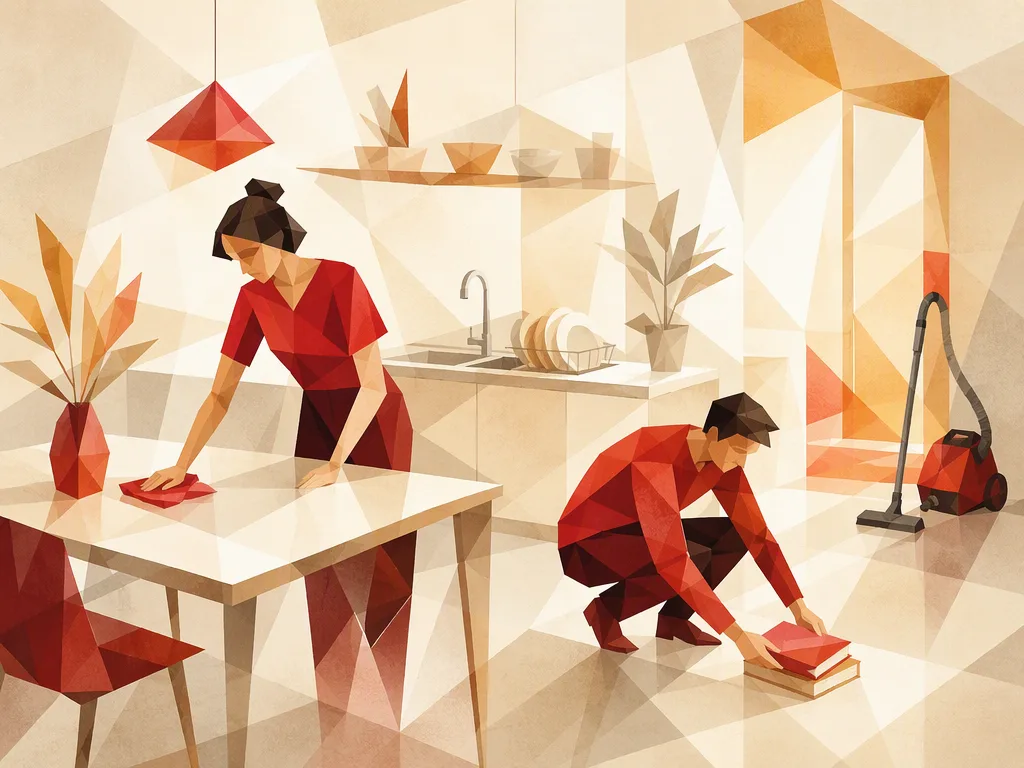
Everyday German words describe small jobs that keep a home clean and tidy. Two people at home talk about rooms, surfaces and jobs they still need to do. Familiar places return in short requests and remarks about what is clean, dirty, wet or dry.
Vocafy

Reading the Clock
Everyday German phrases tell the time in full hours, half hours and quarter hours. The examples follow one speaker making plans with a friend. Repeated sentence patterns connect clock times with visits, calls and meals.
Vocafy
Prices and Quantities
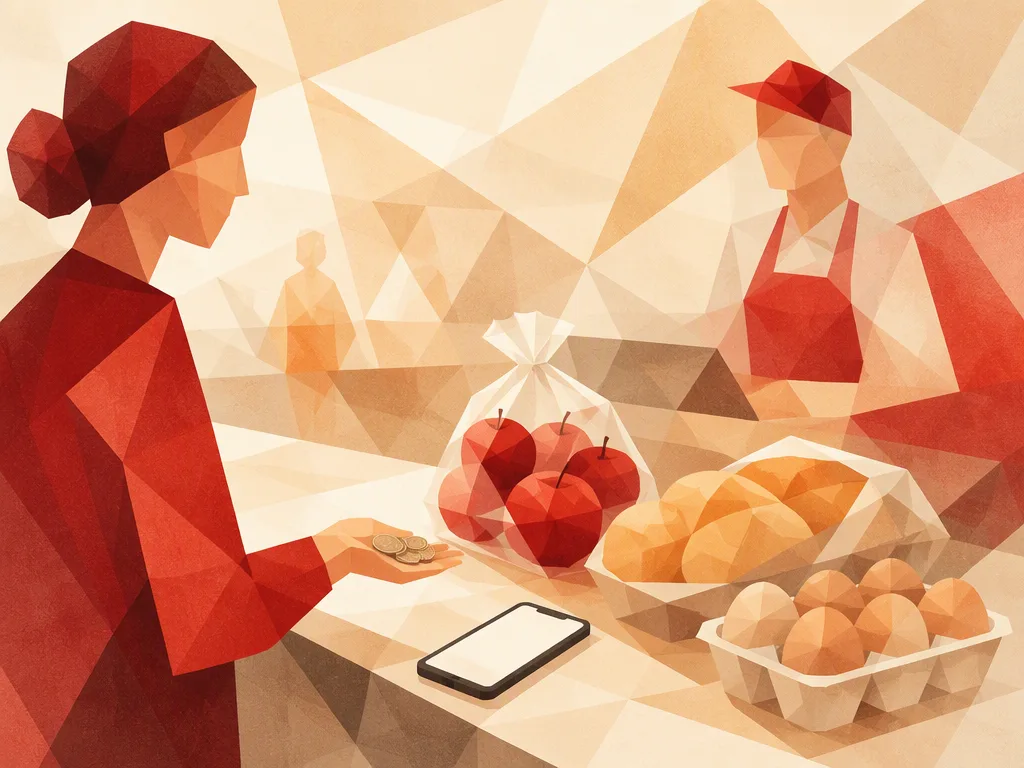
Meet German number words for amounts, simple prices and contact details. The examples follow one shopper buying food and checking phone numbers. Repeated phrases connect quantities with prices, without naming a currency.
Vocafy

Going Out in Any Weather
You meet everyday German words for today's weather, clothing and choices about going outside.Two friends discuss the weather, choose warm clothes and decide whether to wait. Short questions and replies reuse words for rain, warmth and home.
Vocafy
ชุด Voca ที่เพิ่มใหม่

Everyday Results With machen
Everyday combinations with machen describe activities, results, mistakes and worries. Follow one learner’s plans with a friend, from homework and meals to breaks and visits. Each phrase keeps machen and adds words that give it a specific meaning.
Vocafy

Reporting a Child's Absence
Parents report a child's absence and ask about the return to school. The cards follow a polite call or message to school staff, using Sie. Short phrases move from staying at home to return dates and written absence notes.
Vocafy

Quiet Hours and Visitors at Home
Common house rules and short phrases cover quiet hours and visitors. Two housemates discuss music, evening visits and staying overnight. The examples reuse words for guests and quiet in requests and permission questions.
Vocafy

Buying Something on a Website
Everyday German words and phrases describe buying something on a website. One shopper chooses a jacket, compares prices, pays and follows its delivery. Later examples reuse earlier shopping words.
Vocafy
Getting Your Phone Ready to Use
You meet everyday German words and phrases for charging a phone and changing basic settings.You ask a friend for help with the battery, screen and sound. Short questions and requests reuse the same device words.
Vocafy

Ready for a Few Days Away
Meet everyday German words and phrases for packing for a few days away. Follow one traveler choosing a bag, deciding how much to take, and checking that nothing important is missing. Short examples reuse words for bags, clothes, and packing.
Vocafy

Making Your Money Last
You meet everyday German words and phrases for spending less and making money last. The examples follow one person's food shopping and shared monthly budget. Simple cost words return in phrases about spending limits, small savings and money left over.
Vocafy

More Movement in an Ordinary Day
Everyday German words and phrases describe small ways to move more. The cards follow one person's trips to work, short breaks and simple exercises. Familiar words return in phrases about walking, cycling and regular practice.
Vocafy
พร้อมสร้างชุด Voca ของคุณเองแล้วหรือยัง?
สร้างชุด Voca แบบสมบูรณ์ด้วย AI ได้ในไม่กี่วินาที นำเข้าคำศัพท์จากบทอ่าน หรือสร้างชุดสำหรับเรียนด้วยตัวเองตั้งแต่ต้น