


Reacting in Conversation
Short expressions and spoken fillers Italians use to react in everyday conversation with friends:Surprise, joy and relief: Davvero?, Ma dai!, Che bello!, Meno male!Sympathy, agreement and reassurance: Che peccato!, Appunto!, Figurati!, Ci mancherebbe!Doubt, impatience and spoken fillers: Macché!, Uffa!, Boh!, cioè, insommaListen closely to the intonation in the examples, since tone of voice gives these short reactions much of their meaning.
 Vocafy
•
Museums, Sights and Guided Tours
Follow a visit to an Italian museum, exhibition or historic church from the ticket desk to the exit.Buying full-price or reduced tickets, checking opening hours and picking up an audio guideUnderstanding museum and church rules about bags, photos and dress codesJoining a guided tour, asking the guide questions with polite Lei and talking about what was worth seeing
Vocafy
•
Cooking at Home
Cook a meal in Italian from prepping vegetables to bringing the pan to the table, using the everyday words friends say in the kitchen.Cooking steps: verbs for cutting, heating oil, sautéing, boiling, stirring, draining and tastingIn the kitchen: the pot and the pan, cooking heat, and everyday measures like un filo d'olio and un pizzico di saleNatural remarks: short sentences using tu that follow the order of making a meal together
Vocafy
•
Making Plans With Friends
Informal phrases and verbs for making, changing and cancelling plans with friends in Italian, using tu.Suggesting an aperitivo, a dinner or a weekend trip, and accepting with enthusiasmFixing a time and place, booking a table and picking someone upSaying you cannot make it, moving a plan to another day or texting that you are running lateNotice how verbs for meeting and keeping in touch use ci for 'each other': ci vediamo, ci troviamo, ci sentiamo.
Vocafy
•
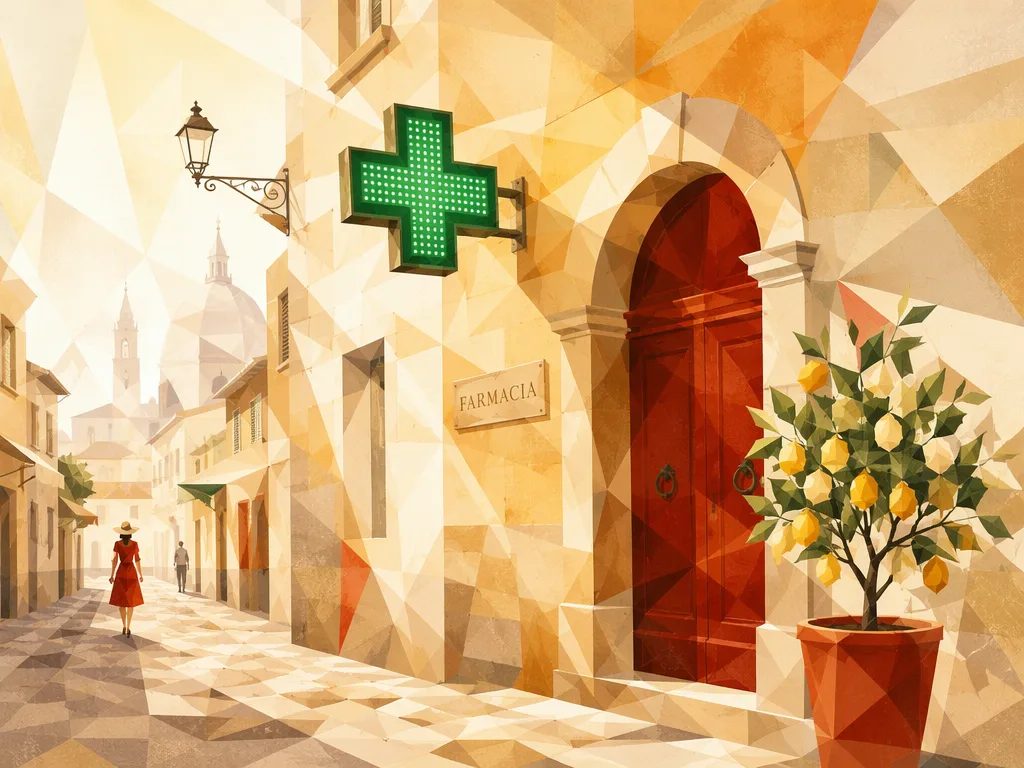
At the Pharmacy on a Trip
If you feel unwell or have a minor accident while traveling in Italy, your first stop is usually a farmacia, where a pharmacist can give advice and sell most everyday remedies over the counter.Explain what is wrong: say where it hurts and describe common problems like a fever, a cold, a stomach ache, sunburn, or an insect bite.Ask for what you need: polite phrases with formal Lei to ask for a remedy and tell the pharmacist how long you have had your symptoms.Understand the advice: follow simple instructions on how and when to take a medicine, and know when you need a prescription or a doctor.
Vocafy
•
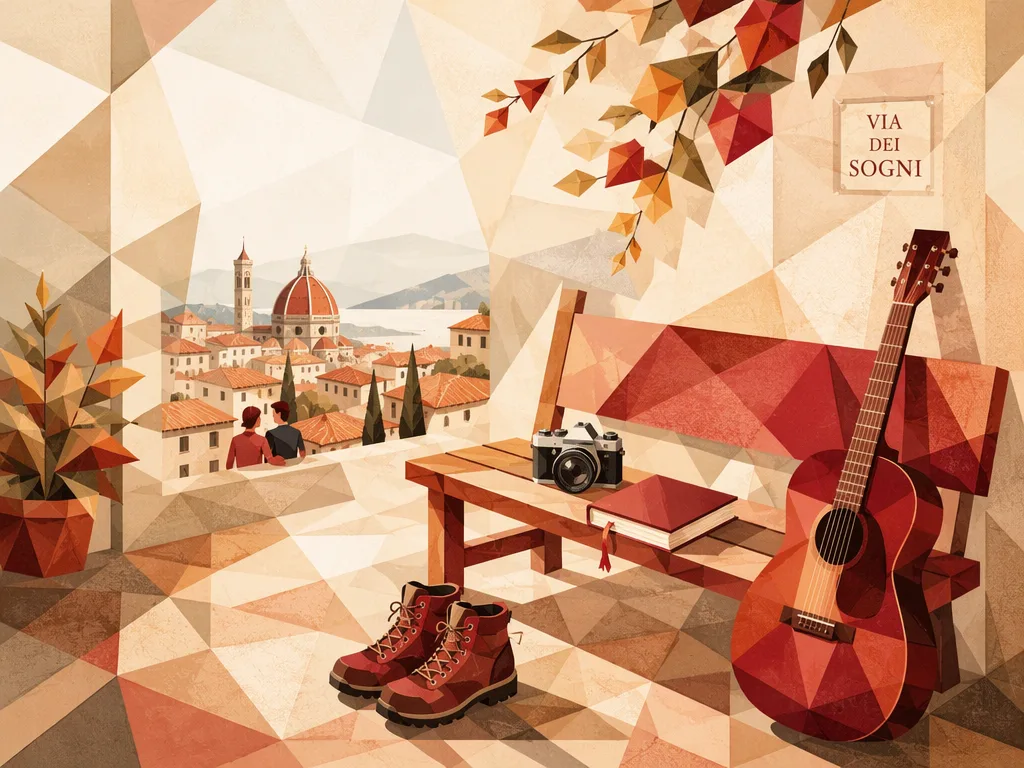
Free Time and Hobbies
Talk with friends about what you enjoy doing in your free time, how often you do it, and invite someone to join you.Pay attention to the verb that goes with each activity: Italians use fare for general exercise, walks and photography, giocare a for games and ball sports, suonare for musical instruments, and andare for places like the gym or the mountains.Listen to how frequency expressions like nel fine settimana and due volte alla settimana fit naturally into everyday sentences.
Vocafy
•

At the Market and in Shops
Phrases and words you hear and use at an Italian food market and in small shops, from buying cheese by weight to trying on clothes and paying at the till.Order quantities at the counter with un etto di and mezzo chilo, ask for a taste, and check the price.Browse in a shop, ask to try something on, and ask for another size or a gift wrap.Notice how shopkeepers and customers speak to each other using polite Lei forms such as Desidera?, Mi dà…? and Ecco a Lei.
Vocafy
•

At a Hotel or B&B
Words and phrases for staying at a hotel or B&B in Italy, from arriving late for check-in to leaving your bags on the last day.Follows the order of a real stay: getting your key, sorting out the wrong room, reporting things that do not work, checking breakfast times and paying the tourist tax.Notice how guests and staff address each other politely using the formal Lei form, with phrases like Scusi, Mi può dare and Preferisce.
Vocafy
•
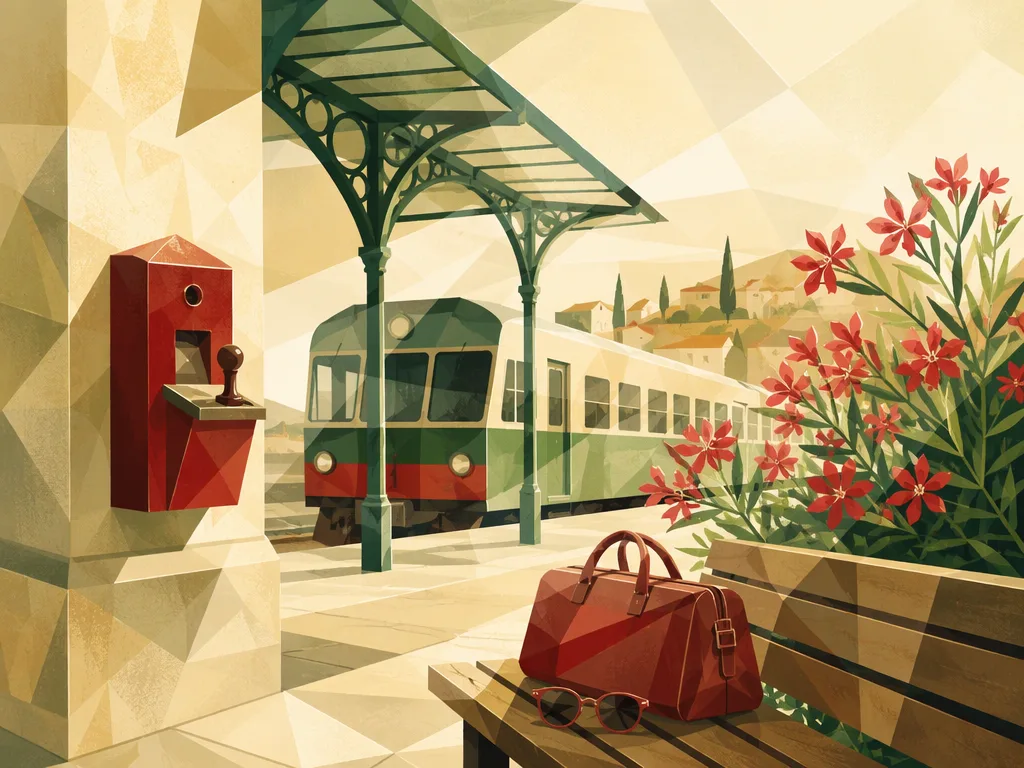
Trains and Buses
Phrases and vocabulary for getting around Italy by regional train and city bus, using polite Lei forms with staff and strangers.Buying one-way and return tickets at the counter, a machine, or a tabaccheriaFinding your platform, validating paper tickets, and dealing with delays, connections, or a strikeAsking if a bus goes where you need, getting on and off, and handling a missed stop
Vocafy
•
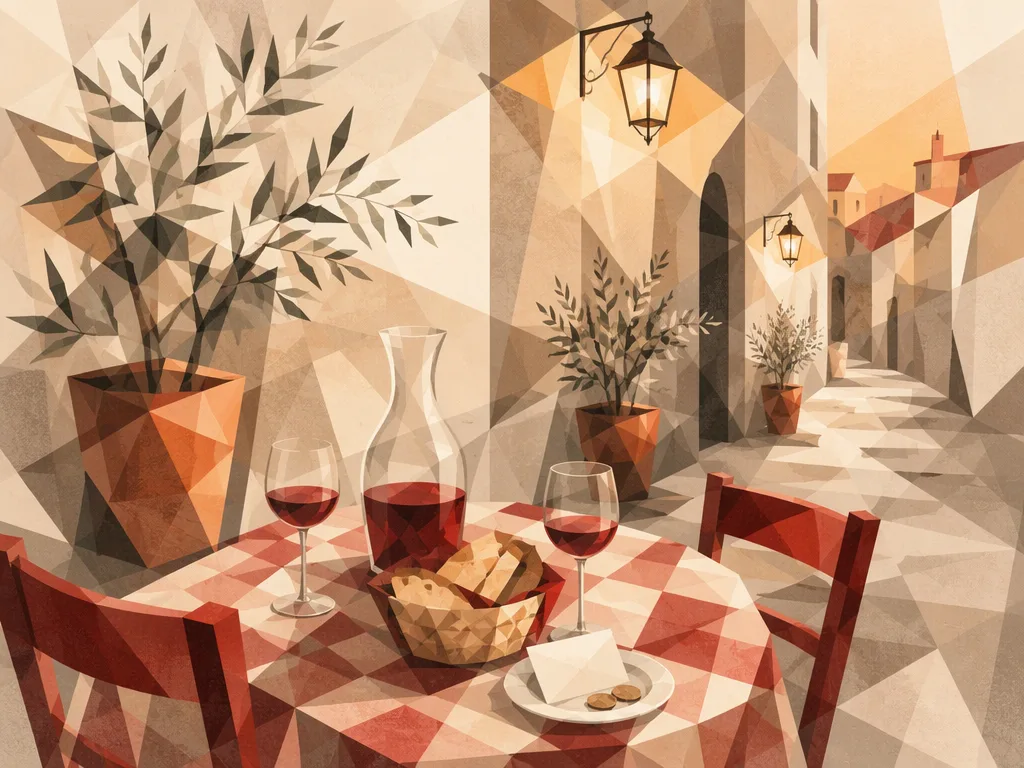
Eating Out
At a trattoria or restaurant in Italy with a friend or partner: from booking a table and choosing courses on the menu to explaining an allergy, ordering for the table and paying the bill.Waiters address a single guest politely with Lei (Signora, prende anche un contorno?) and the table together with voi (Siete pronti per ordinare?).To order food and drink, Italians use prendere (Prendo…, Prendiamo…) rather than the verbs for 'have' or 'want'.A menu is split into l'antipasto, il primo, il secondo, il contorno and il dolce, and you only order the courses you feel like eating.
Vocafy
•
Finding Your Way in Town
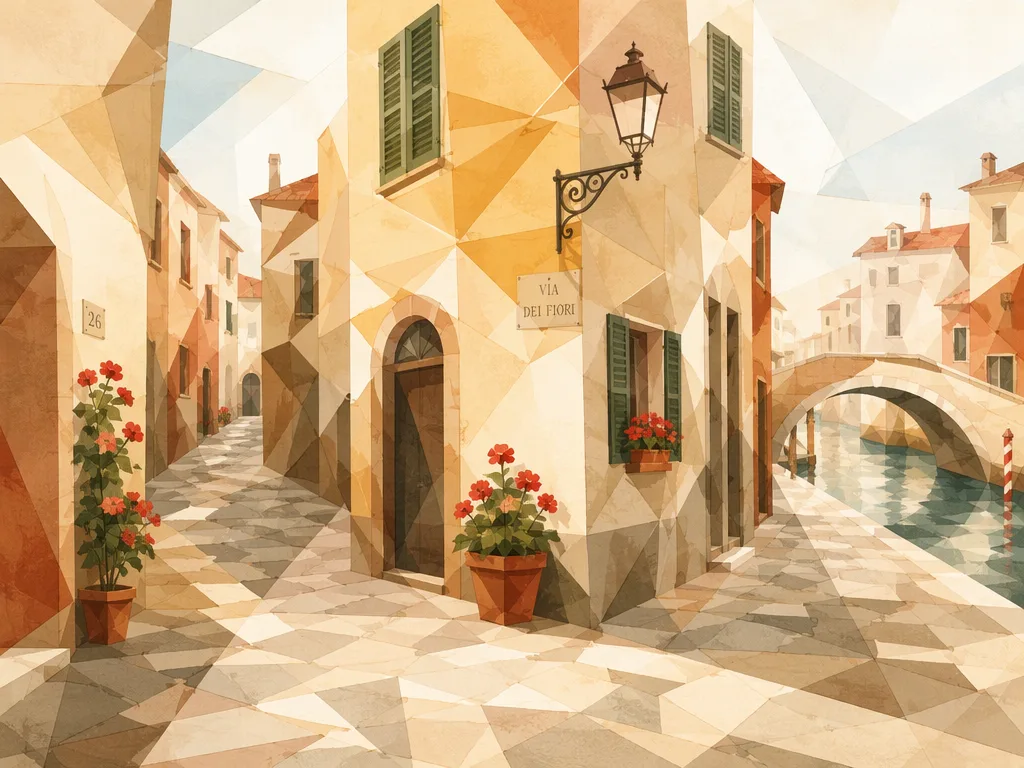
Ask for and understand directions in the street when you are looking for a place in an Italian town.Polite openings: address strangers with the polite Lei form, such as Scusi, and understand polite commands like vada (go) and giri (turn).Everyday places: ask for a square, the station, a pharmacy or a bus stop.Clear directions: catch the common phrases for straight ahead, left, right, nearby and a few minutes on foot.
Vocafy
•
At the Bar: Coffee and Breakfast
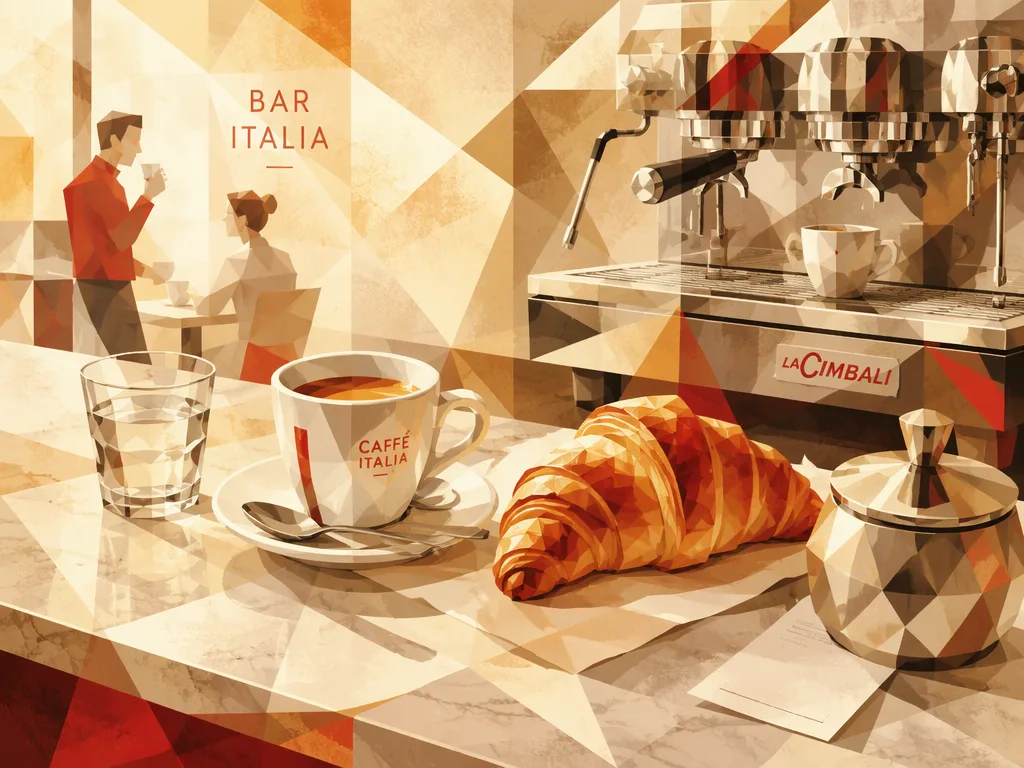
Step into an Italian bar for morning coffee and breakfast, from ordering at the counter to paying at the till.How the bar works: standing at the counter (al banco), sitting at a table (al tavolo), or paying first at the till (la cassa)Polite questions from the barista using the formal Lei formOrdering coffee, filled or plain pastries, and a glass of water
Vocafy
•
Reacting in Conversation
Short expressions and spoken fillers Italians use to react in everyday conversation with friends:Surprise, joy and relief: Davvero?, Ma dai!, Che bello!, Meno male!Sympathy, agreement and reassurance: Che peccato!, Appunto!, Figurati!, Ci mancherebbe!Doubt, impatience and spoken fillers: Macché!, Uffa!, Boh!, cioè, insommaListen closely to the intonation in the examples, since tone of voice gives these short reactions much of their meaning.
Vocafy
Museums, Sights and Guided Tours
Follow a visit to an Italian museum, exhibition or historic church from the ticket desk to the exit.Buying full-price or reduced tickets, checking opening hours and picking up an audio guideUnderstanding museum and church rules about bags, photos and dress codesJoining a guided tour, asking the guide questions with polite Lei and talking about what was worth seeing
Vocafy
Cooking at Home
Cook a meal in Italian from prepping vegetables to bringing the pan to the table, using the everyday words friends say in the kitchen.Cooking steps: verbs for cutting, heating oil, sautéing, boiling, stirring, draining and tastingIn the kitchen: the pot and the pan, cooking heat, and everyday measures like un filo d'olio and un pizzico di saleNatural remarks: short sentences using tu that follow the order of making a meal together
Vocafy
Making Plans With Friends
Informal phrases and verbs for making, changing and cancelling plans with friends in Italian, using tu.Suggesting an aperitivo, a dinner or a weekend trip, and accepting with enthusiasmFixing a time and place, booking a table and picking someone upSaying you cannot make it, moving a plan to another day or texting that you are running lateNotice how verbs for meeting and keeping in touch use ci for 'each other': ci vediamo, ci troviamo, ci sentiamo.
Vocafy
At the Pharmacy on a Trip
If you feel unwell or have a minor accident while traveling in Italy, your first stop is usually a farmacia, where a pharmacist can give advice and sell most everyday remedies over the counter.Explain what is wrong: say where it hurts and describe common problems like a fever, a cold, a stomach ache, sunburn, or an insect bite.Ask for what you need: polite phrases with formal Lei to ask for a remedy and tell the pharmacist how long you have had your symptoms.Understand the advice: follow simple instructions on how and when to take a medicine, and know when you need a prescription or a doctor.
Vocafy
Free Time and Hobbies
Talk with friends about what you enjoy doing in your free time, how often you do it, and invite someone to join you.Pay attention to the verb that goes with each activity: Italians use fare for general exercise, walks and photography, giocare a for games and ball sports, suonare for musical instruments, and andare for places like the gym or the mountains.Listen to how frequency expressions like nel fine settimana and due volte alla settimana fit naturally into everyday sentences.
Vocafy
At the Market and in Shops
Phrases and words you hear and use at an Italian food market and in small shops, from buying cheese by weight to trying on clothes and paying at the till.Order quantities at the counter with un etto di and mezzo chilo, ask for a taste, and check the price.Browse in a shop, ask to try something on, and ask for another size or a gift wrap.Notice how shopkeepers and customers speak to each other using polite Lei forms such as Desidera?, Mi dà…? and Ecco a Lei.
Vocafy
At a Hotel or B&B
Words and phrases for staying at a hotel or B&B in Italy, from arriving late for check-in to leaving your bags on the last day.Follows the order of a real stay: getting your key, sorting out the wrong room, reporting things that do not work, checking breakfast times and paying the tourist tax.Notice how guests and staff address each other politely using the formal Lei form, with phrases like Scusi, Mi può dare and Preferisce.
Vocafy
Trains and Buses
Phrases and vocabulary for getting around Italy by regional train and city bus, using polite Lei forms with staff and strangers.Buying one-way and return tickets at the counter, a machine, or a tabaccheriaFinding your platform, validating paper tickets, and dealing with delays, connections, or a strikeAsking if a bus goes where you need, getting on and off, and handling a missed stop
Vocafy
Eating Out
At a trattoria or restaurant in Italy with a friend or partner: from booking a table and choosing courses on the menu to explaining an allergy, ordering for the table and paying the bill.Waiters address a single guest politely with Lei (Signora, prende anche un contorno?) and the table together with voi (Siete pronti per ordinare?).To order food and drink, Italians use prendere (Prendo…, Prendiamo…) rather than the verbs for 'have' or 'want'.A menu is split into l'antipasto, il primo, il secondo, il contorno and il dolce, and you only order the courses you feel like eating.
Vocafy
Finding Your Way in Town
Ask for and understand directions in the street when you are looking for a place in an Italian town.Polite openings: address strangers with the polite Lei form, such as Scusi, and understand polite commands like vada (go) and giri (turn).Everyday places: ask for a square, the station, a pharmacy or a bus stop.Clear directions: catch the common phrases for straight ahead, left, right, nearby and a few minutes on foot.
Vocafy
At the Bar: Coffee and Breakfast
Step into an Italian bar for morning coffee and breakfast, from ordering at the counter to paying at the till.How the bar works: standing at the counter (al banco), sitting at a table (al tavolo), or paying first at the till (la cassa)Polite questions from the barista using the formal Lei formOrdering coffee, filled or plain pastries, and a glass of water
Vocafy