


Learn with content you care about.
Create content for your level, bring your own, or choose something that interests you. Save useful words and phrases as you learn. Vocafy remembers them in context.

Try it now — no account needed




What can you do with Vocafy?
You do not have to learn in one fixed way. Read, watch, listen, practise, talk, or use a quick language tool when you need one.
Read, watch and listen
Learn from short texts, books, videos and songs. Look up words without leaving the content, use translations when you need them, listen to the text or individual sentences, and save useful expressions as you go.
Build your vocabulary
Save words and phrases together with the context in which you found them. Build your own collections, add examples and audio, or let Vocafy help you prepare the material you want to learn.
Practise and review
Work with your saved vocabulary in different ways. Recall words, choose answers, complete sentences, write, listen, or use quizzes for more focused practice.
Talk and improve your pronunciation
Chat with an AI tutor, practise real-life situations, or work on words and sentences aloud. Record yourself, listen back, and get feedback on your pronunciation.
Learn with more guidance
If you prefer more structure, follow lessons with explanations, examples and activities while still using the same vocabulary and learning tools.
Get help when you need it
Use the dictionary, translator, grammar checker, IPA guide or How to say when you need a quick answer rather than a full learning activity.

Why connect these activities?
Knowing a word is not just one thing.
You might recognise it when you read it, but struggle to remember it when you need it. You might understand it in a sentence but miss it when you hear it. And knowing what a word means is still different from being able to use it naturally in your own speech or writing.
That is why Vocafy brings different kinds of learning and practice closer together. The same words and phrases can be part of what you read, listen to, review, say aloud or use in conversation, instead of each activity working with completely separate material.
What you discover in one activity, you can use in the next.
A useful word or phrase does not have to stay where you first found it.
Save it from a text, video or conversation, then work with it again while reviewing, listening, practising pronunciation or talking with your tutor.
Vocafy’s Learning Memory keeps track of your saved vocabulary, its context and your learning history so different parts of the system can work with what you are already learning.

See it in action
A word or phrase can become part of your learning instead of disappearing when you close the page.
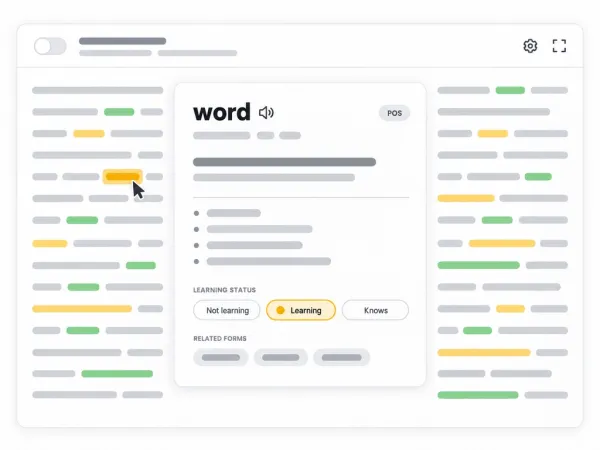
Find it
You come across a useful expression while reading or watching something. Check its meaning and save it together with the sentence where you found it.
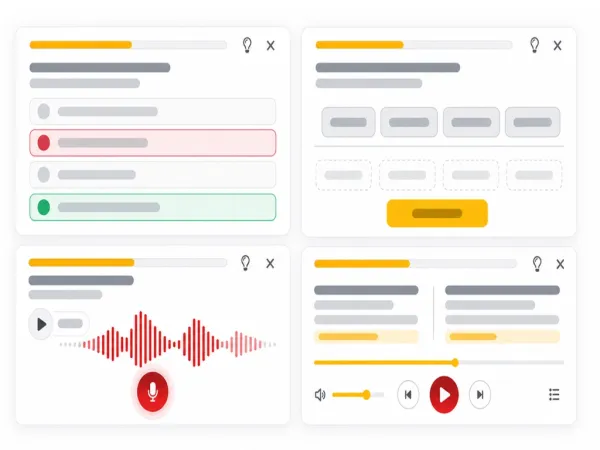
Practise it
Later, you can work with the same expression again while reviewing, listening, completing a sentence or practising your vocabulary in another way.
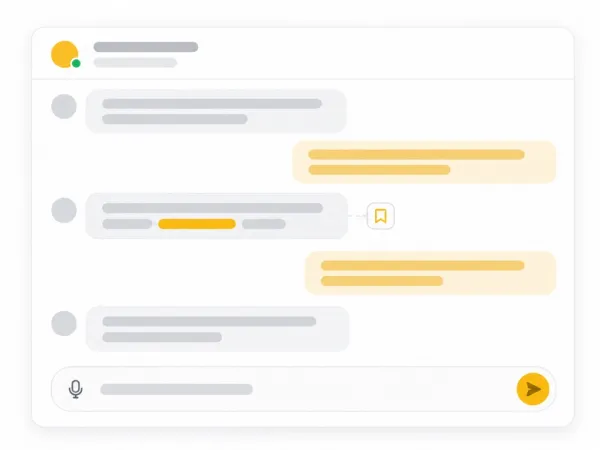
Use it
It can also come up in a conversation or another activity where you need to understand or use it yourself.
Try something now
You do not have to start with an empty screen.
Open something that interests you and see how learning with Vocafy works.
Voca sets

Talking About Weekend Plans
You meet everyday words and short phrases for weekend plans. One friend talks with Mia and Ben about movies, dinner, and time together. The examples reuse familiar activities as the friends choose what to do.
 Vocafy

Asking for Street Directions
Basic questions and street directions guide a walk to the library. You ask a woman for help, follow her directions, and find the entrance. Short questions and directions appear alongside words for places you pass.
Vocafy

Trying on Clothes
Common words and short phrases for trying on clothes appear in a shopping story. A shopper chooses a shirt and pants, tries them on, and asks for different sizes. Size words and short phrases show what feels wrong and what fits well.
Vocafy

Eating at a Restaurant
You meet common restaurant words and polite requests. Two friends find a table, choose drinks, and order food. The examples reuse familiar words in short questions and requests.
Vocafy

Checking Into a Hotel Room
Hotel check-in includes names, room details, and a room key. A guest gives reservation details and asks about the room and breakfast. Short questions reuse words like room and key.
Vocafy

Getting Coffee With a Friend
Meet a friend at a café and order a drink. Follow the visit from finding a table to drinking coffee and tea. Short requests repeat familiar words for drink choices and payment.
Vocafy
Library

On Christmas Eve, a lonely man who loves money meets ghosts who show him his life.
An inventor travels far into the future and discovers a beautiful world with a frightening secret.

A storm carries Dorothy and her little dog to a strange land, where they begin a journey to find a way home.

Alice follows a talking rabbit into a strange world where animals speak and nothing is quite normal.
Songs
I like it I don't
A gentle song about likes and dislikes. Great for practicing preferences, idioms, and simple present grammar.

Home Sweet Home (The House Tour)
Learn rooms, furniture, and chores. This cozy song practices imperatives, “let’s,” and home vocabulary.

People We Know
Learn family and relationship words. Practice present simple, possessives, and useful verbs like meet, visit, marry, and
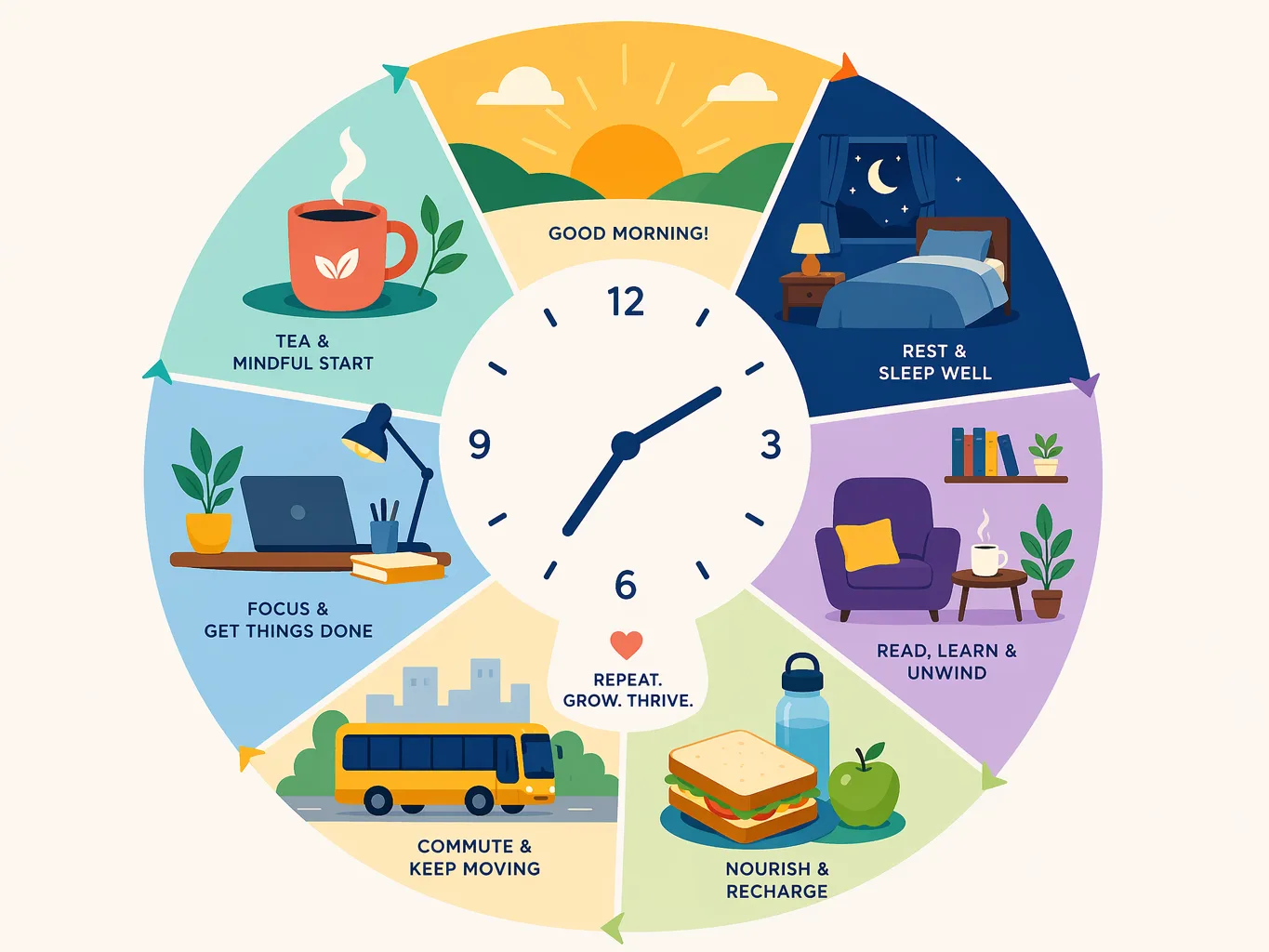
The Rhythm of My Day
A simple routine song for learning daily actions. Practice present tense, time phrases, and everyday questions.
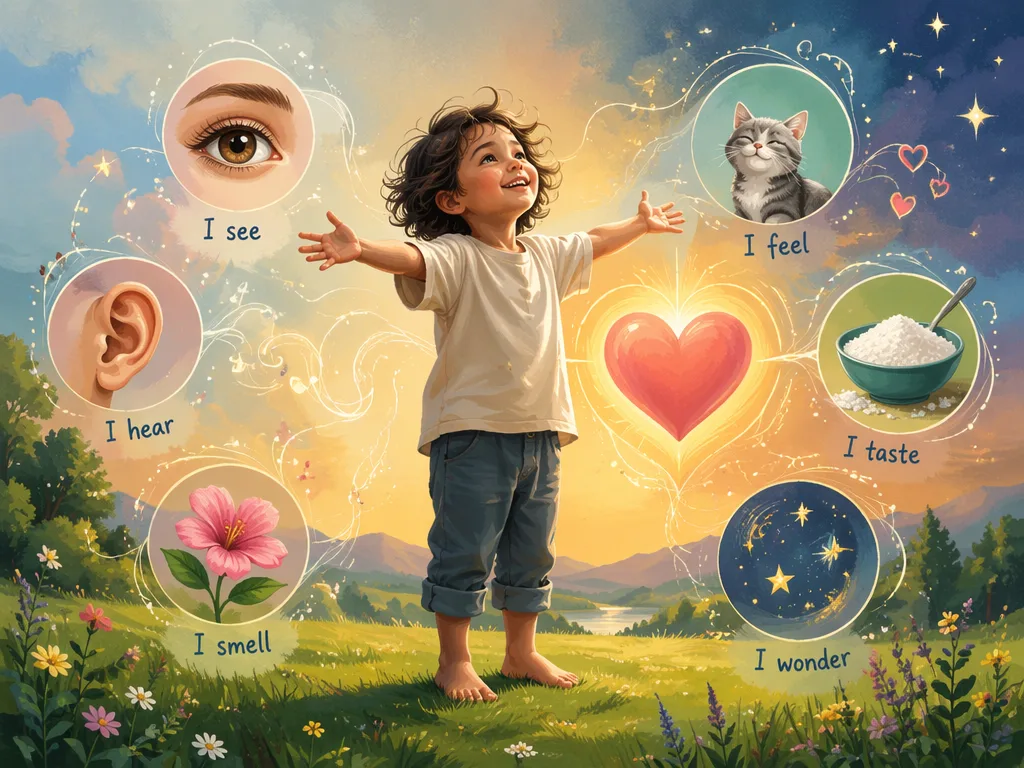
How I Feel
A gentle song about senses and emotions, great for learning “I feel,” simple verbs, adjectives, and everyday questions.

Inside and Out (Who We Are)
Learn to describe people inside and out. Great for adjectives, opposites, imperatives, and kindness vocabulary.
Hear more about Vocafy
Conversations about language, learning, language science and the ideas behind Vocafy.

Read about language and learning
Articles about how languages work, how we learn them, and the people, ideas and curiosities around them.


Listen to today's news:
See Vocafy features
There is more to Vocafy than any one learning activity. Explore the features that are most useful to you.
Voca Sets
Create personal vocabulary collections from your own material, imported vocabulary, images, or words you save in Vocafy, then listen and practise with them.
Pronunciation
Practise pronunciation with words and sentences you are already learning. Listen, record yourself, compare your speech and get detailed feedback for supported languages.
Quiz
Create quizzes from a Voca Set or a simple prompt, edit the questions, and practise with multiple choice, typing, ordering, fill-in and listening tasks.
My knowledge
See the words and phrases you have collected, what you are learning and what you already know. Follow your progress, review your history and start practising your vocabulary.
How to say
Describe what you want to say and get a natural expression in your target language, with the situation and tone taken into account.
Save from the web
Save words with their context, turn articles into reading practice, and bring YouTube videos with subtitles into Vocafy using the browser extension.
Conversation
Practise through open conversation, guided lessons, vocabulary sessions and roleplay. Reuse saved vocabulary, review words and save new expressions as you chat.
Dictionary
Look up words with meanings, examples, pronunciation, common phrases, related words, collocations, frequency and CEFR level in one learner-friendly dictionary.
Start with what is useful to you
You do not need to use every part of Vocafy.
Start with a text, a video, a few words you want to learn, a conversation, or whatever helps you most. Many parts of Vocafy are available for free.