


با مجموعههای Voca دایرهٔ واژگان خود را گسترش دهید
مجموعههای Voca را در همهٔ سطحهای CEFR کاوش کنید، با صدای تعاملی تمرین کنید یا در چند ثانیه با هوش مصنوعی مجموعههای اختصاصی بسازید

Talking About Weekend Plans
 Vocafy

Asking for Street Directions
Vocafy
Trying on Clothes
Vocafy

Eating at a Restaurant
Vocafy

Checking Into a Hotel Room
Vocafy
مجموعههای برگزیده
Talking About Weekend Plans
You meet everyday words and short phrases for weekend plans. One friend talks with Mia and Ben about movies, dinner, and time together. The examples reuse familiar activities as the friends choose what to do.
Vocafy
Asking for Street Directions
Basic questions and street directions guide a walk to the library. You ask a woman for help, follow her directions, and find the entrance. Short questions and directions appear alongside words for places you pass.
Vocafy
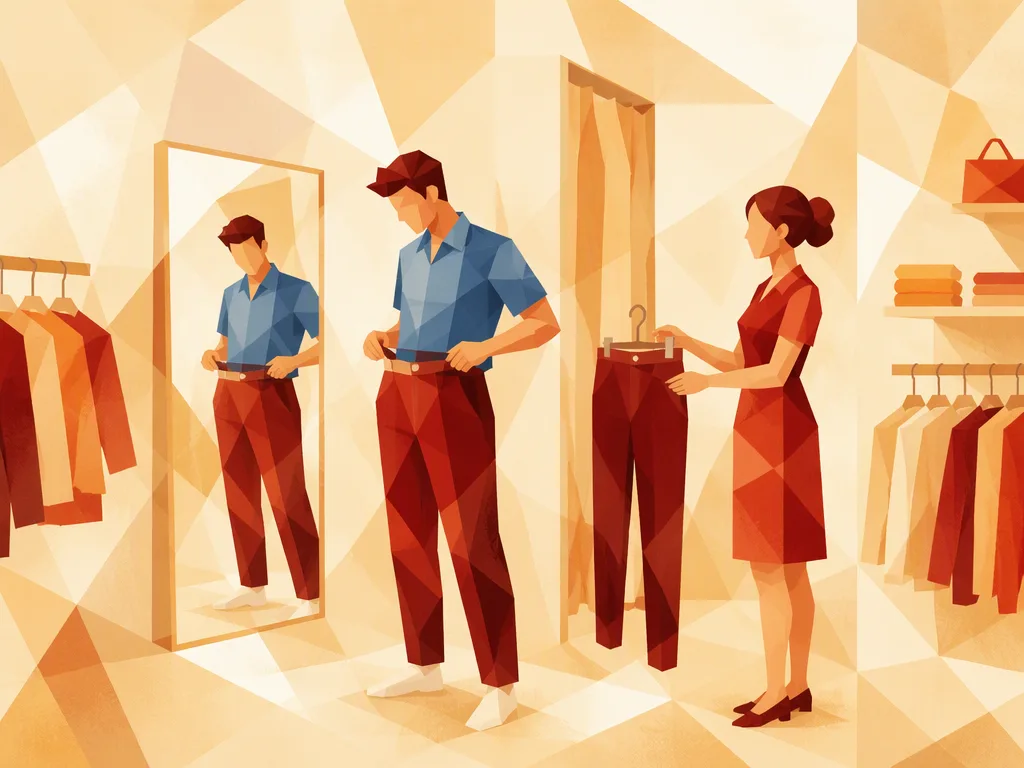
Trying on Clothes
Common words and short phrases for trying on clothes appear in a shopping story. A shopper chooses a shirt and pants, tries them on, and asks for different sizes. Size words and short phrases show what feels wrong and what fits well.
Vocafy
Eating at a Restaurant
You meet common restaurant words and polite requests. Two friends find a table, choose drinks, and order food. The examples reuse familiar words in short questions and requests.
Vocafy
Checking Into a Hotel Room
Hotel check-in includes names, room details, and a room key. A guest gives reservation details and asks about the room and breakfast. Short questions reuse words like room and key.
Vocafy

Getting Coffee With a Friend
Meet a friend at a café and order a drink. Follow the visit from finding a table to drinking coffee and tea. Short requests repeat familiar words for drink choices and payment.
Vocafy

Checking In for a Flight
This set covers checking in for a flight and dropping off a bag. The cards follow a traveler from the check-in counter to the bag drop. Short requests and repeated words connect each step.
Vocafy

Meeting Someone New
This set covers greetings and simple personal details when you meet someone new.Two people say hello, talk about home, family, work, and interests, and then say goodbye. Short questions and answers repeat familiar words.
Vocafy
مجموعههای پرطرفدار این روزها










عالی برای مبتدیها

Calendar Words for Plans
German day names, month names, and basic calendar words appear in everyday plans. One person talks to a friend about work, free time, and family visits. The examples use am with days of the week and im with months.
Vocafy

Free Time That Feels Good
Everyday German for free time includes activities, likes and dislikes. One speaker talks about music, books, films and time at home. Familiar activities return with gern, nicht gern and lieber to show different preferences.
Vocafy

When You Don't Understand
Short German phrases ask for repetition, slower speech and the German word for something. The speaker talks to staff at a course office and to a classmate. Paired requests show polite Sie and familiar du.
Vocafy

Resting After a Busy Day
Everyday German words and phrases describe feeling tired, going to bed and sleeping well or badly. The cards follow a quiet evening at home and a conversation about the night. Short personal sentences reuse words for the bed, light and sleep.
Vocafy
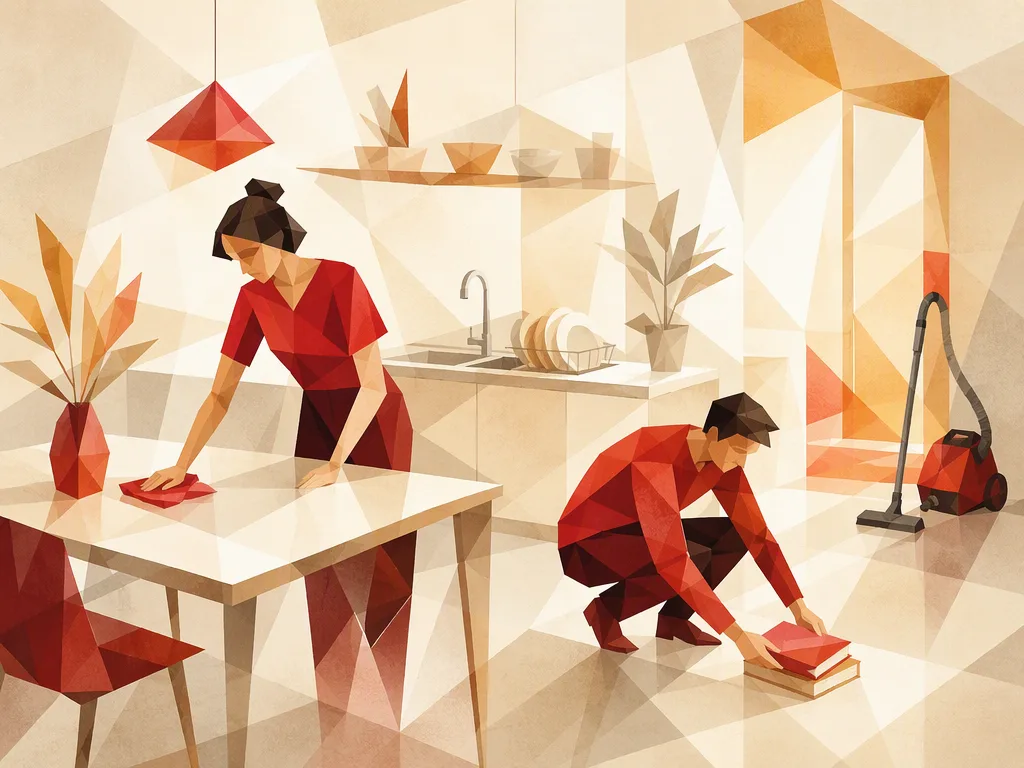
Small Jobs Around the Home
Everyday German words describe small jobs that keep a home clean and tidy. Two people at home talk about rooms, surfaces and jobs they still need to do. Familiar places return in short requests and remarks about what is clean, dirty, wet or dry.
Vocafy

Reading the Clock
Everyday German phrases tell the time in full hours, half hours and quarter hours. The examples follow one speaker making plans with a friend. Repeated sentence patterns connect clock times with visits, calls and meals.
Vocafy
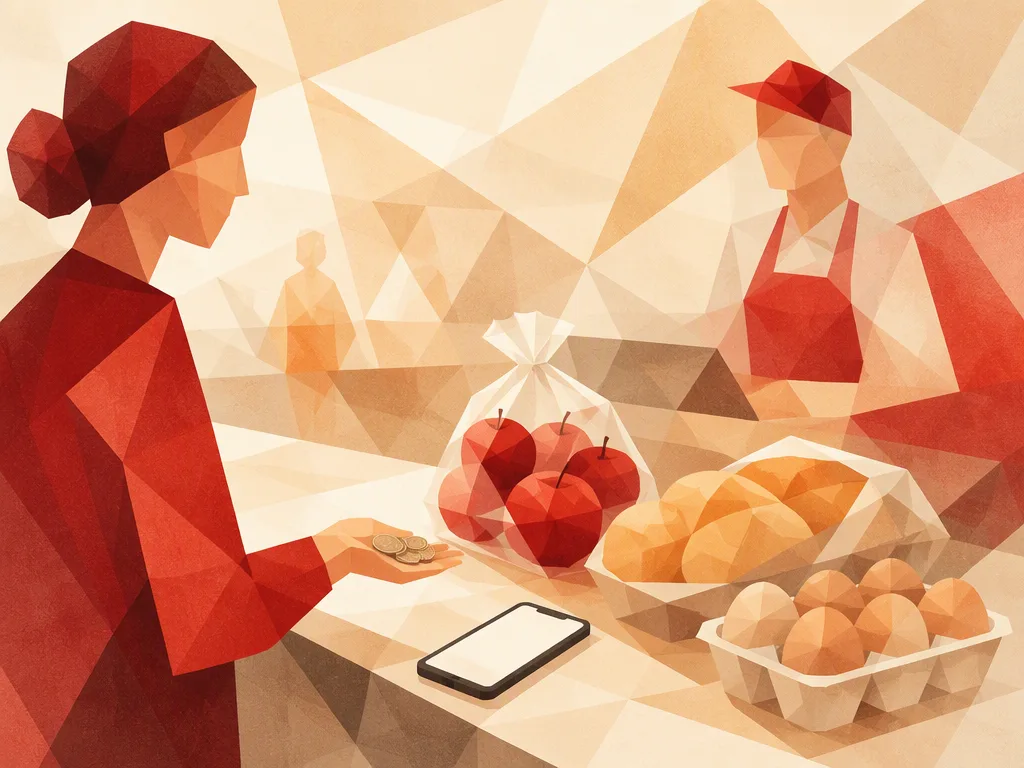
Prices and Quantities
Meet German number words for amounts, simple prices and contact details. The examples follow one shopper buying food and checking phone numbers. Repeated phrases connect quantities with prices, without naming a currency.
Vocafy

Going Out in Any Weather
You meet everyday German words for today's weather, clothing and choices about going outside.Two friends discuss the weather, choose warm clothes and decide whether to wait. Short questions and replies reuse words for rain, warmth and home.
Vocafy
مجموعههای تازه اضافهشده

Accepting What Cannot Be Changed
German spoken formulas express acceptance of limits and unwelcome facts. Two coworkers miss their bus and their cinema plans after working late. The cards combine 'halt', 'eben' and 'nun mal' with common expressions of resignation, showing the difference between matter-of-fact acceptance and irritation.
Vocafy

When the Timing Changes the Meaning
Common German time expressions show when something is earlier, later or less advanced than expected. One speaker talks with their partner, Lena, about settling into a new flat. Small chunks with schon, erst, noch and gleich change what the timing implies.
Vocafy

Understanding Limits in Service Conditions
Common German expressions describe warranty conditions, exclusions, and who pays for damage. A customer asks about a broken laptop and the limits of its repair coverage. Short collocations connect everyday wording with more formal phrases from service conditions, without explaining legal rules.
Vocafy

Amounts Without Exact Figures
Common German expressions describe approximate amounts, proportions and changes. You review bills and work reports with a supervisor using Sie and a coworker using du. The cards contrast amounts just below or above a share, comparisons, and changes with um and auf.
Vocafy

Taking the Floor and Giving It Back
The expressions cover polite interruptions, acknowledging a point and giving the floor back in German.The examples follow a discussion about an office move. Paired formulas use Sie with a formal contact and du with a colleague; two short interjections work in either setting.
Vocafy

An Opinion That Leaves Room for Nuance
Common German expressions add limits and contrast to everyday opinions. You chat with a friend from work about cycling, lunch and everyday purchases. The cards move from simple limits to phrases that balance two sides or set conditions.
Vocafy

What Needs Attention First
German expressions distinguish urgent, essential and postponable work.An employee discusses a website project with a supervisor using Sie and a first-name coworker using du.The cards contrast everyday phrases with more formal ways to discuss priorities, without assigning tasks or promising dates.
Vocafy

Formal and Familiar Meeting Talk
Formal and everyday German formulas guide the opening, transitions and participation in meetings. A meeting leader uses Sie in a formal group and du in a first-name team. Adjacent pairs serve similar purposes while changing the register.
Vocafy
آمادهاید مجموعهٔ Voca خودتان را بسازید؟
در چند ثانیه با هوش مصنوعی مجموعههای کامل Voca بسازید، واژهها را از متنهایی که میخوانید وارد کنید یا مجموعههای تمرینی خودتان را از پایه بسازید.