


Voca 세트로 어휘력을 키워 보세요
모든 CEFR 레벨의 Voca 세트를 둘러보고, 인터랙티브 오디오로 연습하거나, AI로 맞춤 Voca 세트를 몇 초 만에 만들어 보세요

주말 계획에 대해 이야기하기
 Vocafy

거리에서 길 묻기
Vocafy

옷 입어 보기
Vocafy

식당에서 식사하기
Vocafy
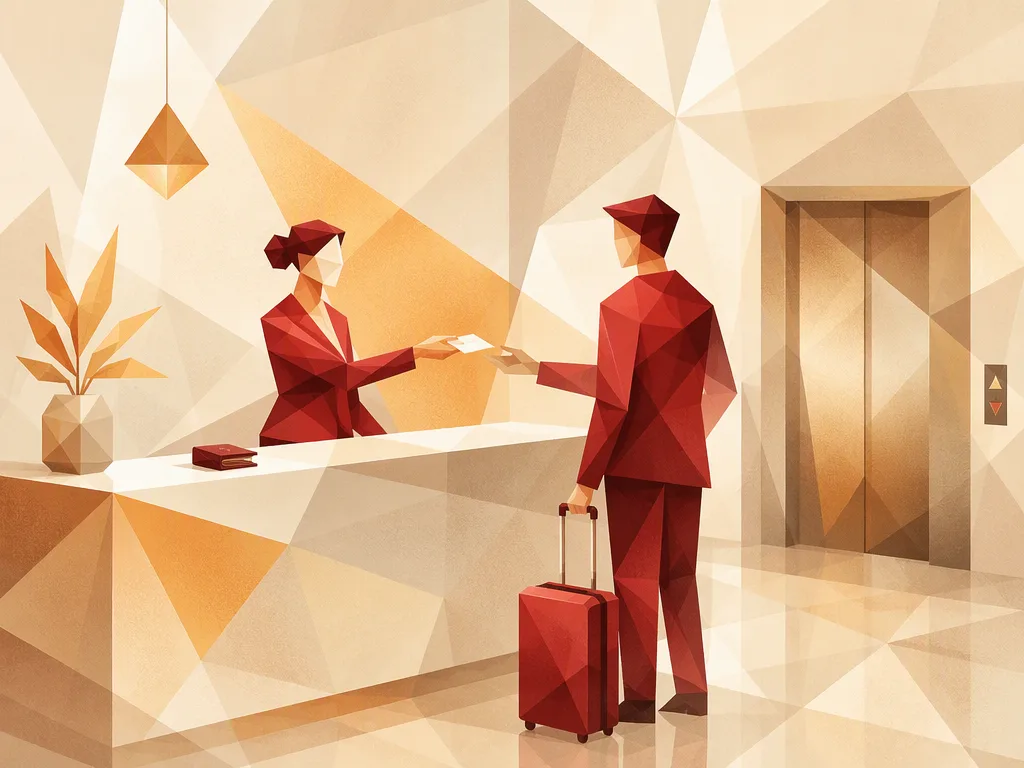
호텔에 체크인하기
Vocafy
추천 Voca 세트
주말 계획에 대해 이야기하기
주말 계획을 이야기할 때 쓰는 일상적인 단어와 짧은 표현을 접합니다. 한 친구가 Mia, Ben과 영화, 저녁 식사, 함께 보내는 시간에 대해 이야기합니다. 친구들이 무엇을 할지 정하는 과정에서 예문에는 익숙한 활동들이 반복해서 등장합니다.
Vocafy
거리에서 길 묻기
기본적인 질문과 길 안내를 통해 도서관까지 걸어갑니다. 한 여성에게 도움을 요청하고, 그녀의 안내를 따라 입구를 찾습니다. 짧은 질문과 길 안내가 도중에 지나치는 장소를 가리키는 단어들과 함께 제시됩니다.
Vocafy
옷 입어 보기
옷을 입어 볼 때 자주 쓰는 단어와 짧은 표현이 쇼핑 이야기에 등장합니다. 쇼핑객이 셔츠와 바지를 고르고 입어 본 뒤, 다른 사이즈를 요청합니다. 사이즈 관련 단어와 짧은 표현을 통해 어떤 점이 맞지 않고 어떤 옷이 잘 맞는지 알 수 있습니다.
Vocafy
식당에서 식사하기
식당에서 자주 쓰는 단어와 정중한 요청 표현을 배웁니다. 두 친구가 자리를 찾고, 음료를 고르고, 음식을 주문합니다. 예문에서는 익숙한 단어를 짧은 질문과 요청에 반복해서 사용합니다.
Vocafy
호텔에 체크인하기
호텔 체크인 과정에서는 이름, 객실 정보, 객실 열쇠를 다룹니다. 투숙객은 예약 정보를 알려 주고 객실과 조식에 관해 질문합니다. 짧은 질문에서는 room과 key 같은 단어를 반복해서 사용합니다.
Vocafy

친구와 커피 마시기
카페에서 친구를 만나 음료를 주문해 보세요. 자리를 찾는 것부터 커피와 차를 마시는 것까지 카페 방문 과정을 따라가 보세요. 짧은 요청 표현에는 음료 선택과 결제에 관한 익숙한 단어들이 반복해서 등장합니다.
Vocafy

항공편 체크인하기
이 세트는 항공편 체크인과 수하물 위탁을 다룹니다. 카드들은 여행자가 체크인 카운터에서 수하물 위탁 장소로 이동하는 과정을 따라갑니다. 짧은 요청 표현과 반복되는 단어들이 각 단계를 연결합니다.
Vocafy

새로운 사람과의 만남
이 세트는 새로운 사람을 만났을 때 주고받는 인사말과 간단한 개인 정보를 다룹니다.두 사람이 인사를 나누고 사는 곳, 가족, 일, 관심사에 대해 이야기한 뒤 작별 인사를 합니다. 짧은 질문과 답변에서 익숙한 단어가 반복됩니다.
Vocafy
지금 인기 있는 Voca 세트







초급자에게 딱 맞는 Voca 세트
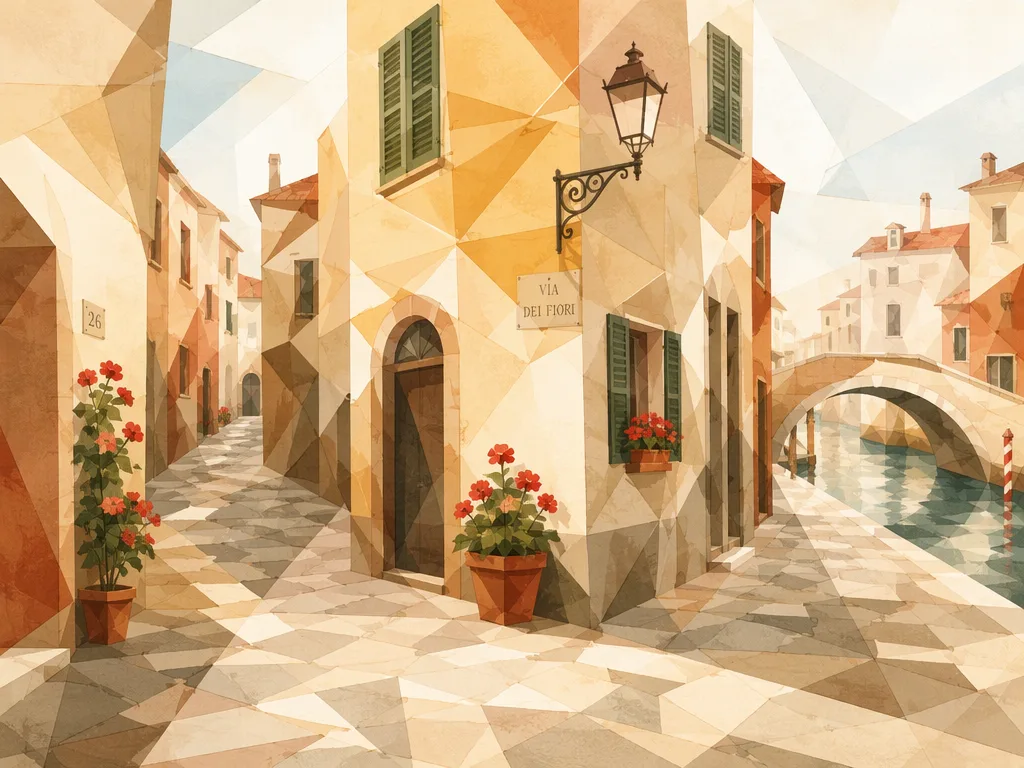
Finding Your Way in Town
Ask for and understand directions in the street when you are looking for a place in an Italian town.Polite openings: address strangers with the polite Lei form, such as Scusi, and understand polite commands like vada (go) and giri (turn).Everyday places: ask for a square, the station, a pharmacy or a bus stop.Clear directions: catch the common phrases for straight ahead, left, right, nearby and a few minutes on foot.
Vocafy
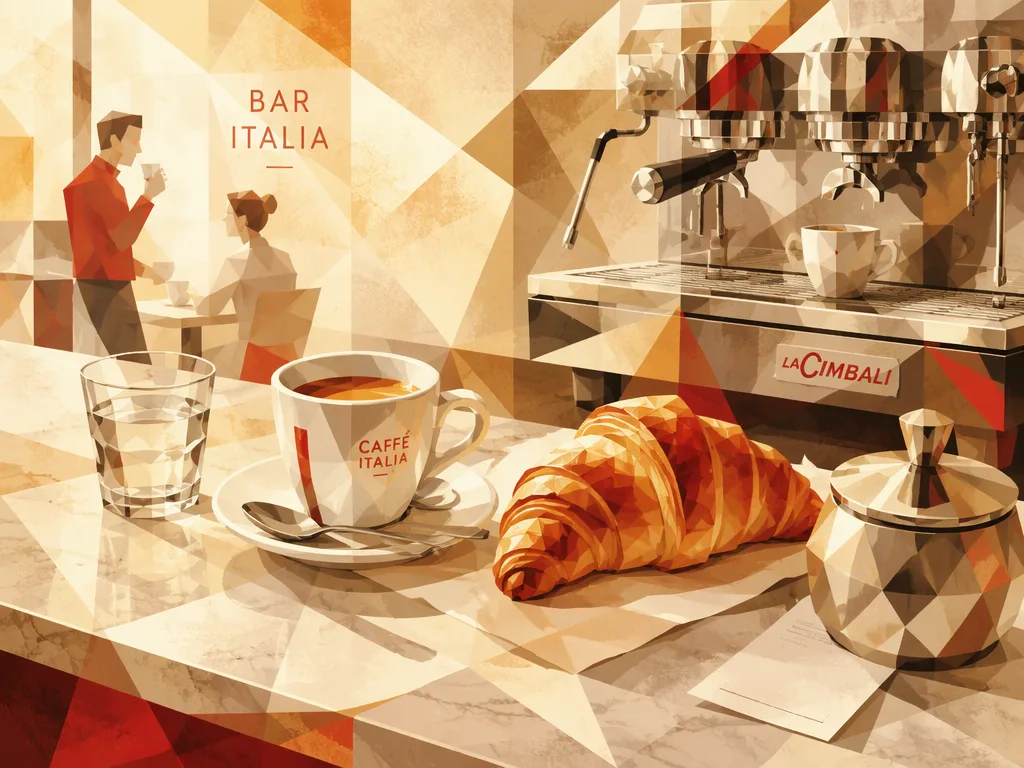
At the Bar: Coffee and Breakfast
Step into an Italian bar for morning coffee and breakfast, from ordering at the counter to paying at the till.How the bar works: standing at the counter (al banco), sitting at a table (al tavolo), or paying first at the till (la cassa)Polite questions from the barista using the formal Lei formOrdering coffee, filled or plain pastries, and a glass of water
Vocafy
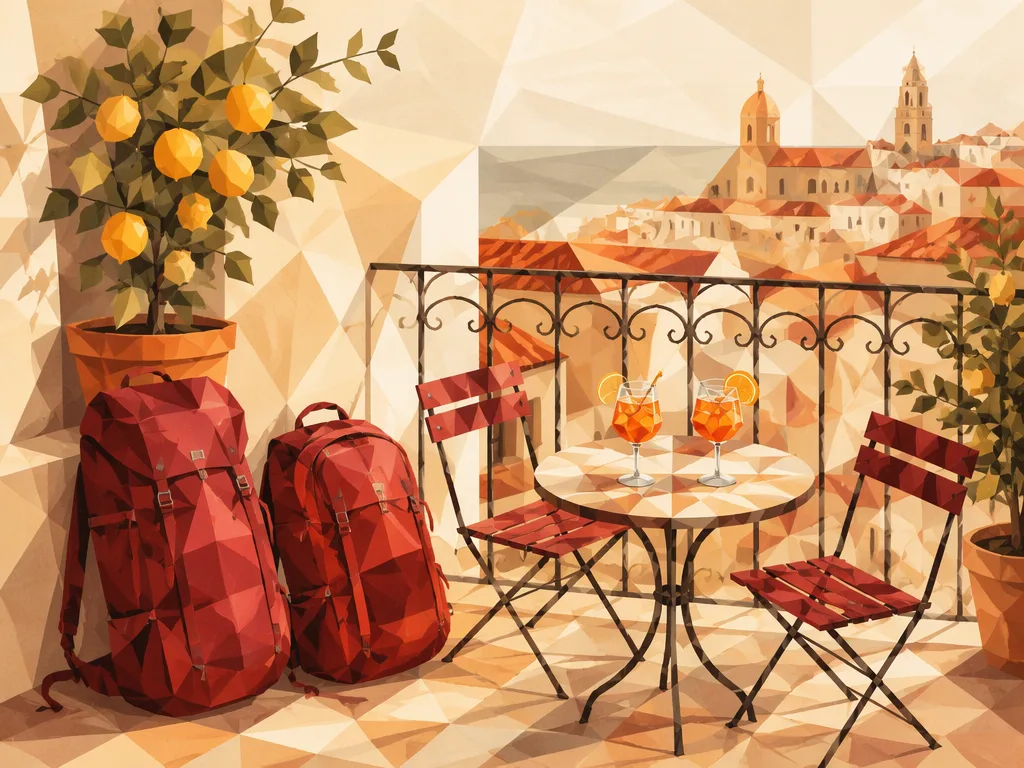
Meeting Someone New
First conversations in Italian when meeting people your own age at a language course, a hostel, or a party, alongside a few polite phrases for a host or an older neighbor.Greeting someone and asking their name with informal tu and polite LeiSaying where you come from and where you live with essere di, venire da, abitare, and vivereTalking about work, studies, why you are in Italy, and how much Italian you speak
Vocafy

My Phone in Everyday Use
Talk about your phone in everyday situations in France: calling someone, sending messages, getting online and dealing with a dead battery or a broken phone.Everyday words: le portable, le message, le réseau, la batterie, le chargeurKey verbs: appeler, répondre, envoyer, charger, marcherNotes on French usage: regional words for mobile phones and natural expressions like avoir du réseau and je n'ai plus de batterie.
Vocafy

How I Spend My Free Time
Talk about what you enjoy doing outside of work or study, from quiet evenings at home to staying active and going out with friends.Everyday activities: common words for music, reading, cooking, sports and relaxing.Likes and preferences: natural ways to say what you like, love or prefer doing.Your weekly routine: pay attention to how frequency words like souvent and time phrases like le soir or le week-end connect hobbies to real life.As you listen, picture your own week and try swapping the activities in the examples for the things you actually do.
Vocafy

Stories Behind My Photos
Talk about the photos on your phone or in an album. In this set, you meet everyday words to point out where people are in the frame, say what they are doing and wearing, and share simple memories.Notice how French uses sur la photo (on the photo) rather than 'in'.Learn position words in pairs like à gauche and à droite, or devant and derrière.Practice by opening your own camera roll and describing two or three pictures out loud.
Vocafy

Quiet Study Between Classes
Talk about reading, writing and studying on your own at home or in a library.Everyday objects: books, notebooks, pens and dictionaries.Core study actions: reading texts, looking up words, taking notes and doing exercises.Natural flow: follow a quiet study session from opening a book to reviewing before the next class.
Vocafy
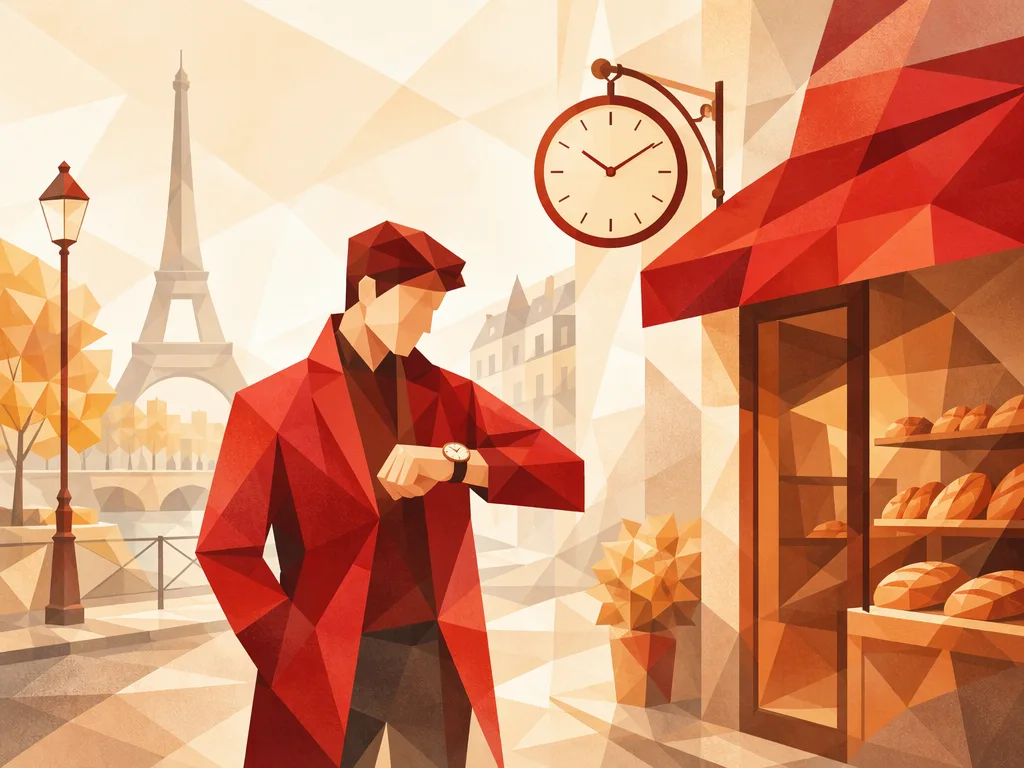
Reading and Saying Clock Times
Ask and tell the time in French, talk about daily schedules, and understand shop opening hours.Telling the time: expressions with Il est..., quarters, halves, noon, and midnight.Parts of the day: how to specify morning, afternoon, and evening, plus the 24-hour clock used in France for schedules.Opening hours: essential words for when places open and close.Notice how French puts the hour first and adds minutes, et quart, or et demie right after heures.
Vocafy
새로 추가된 Voca 세트
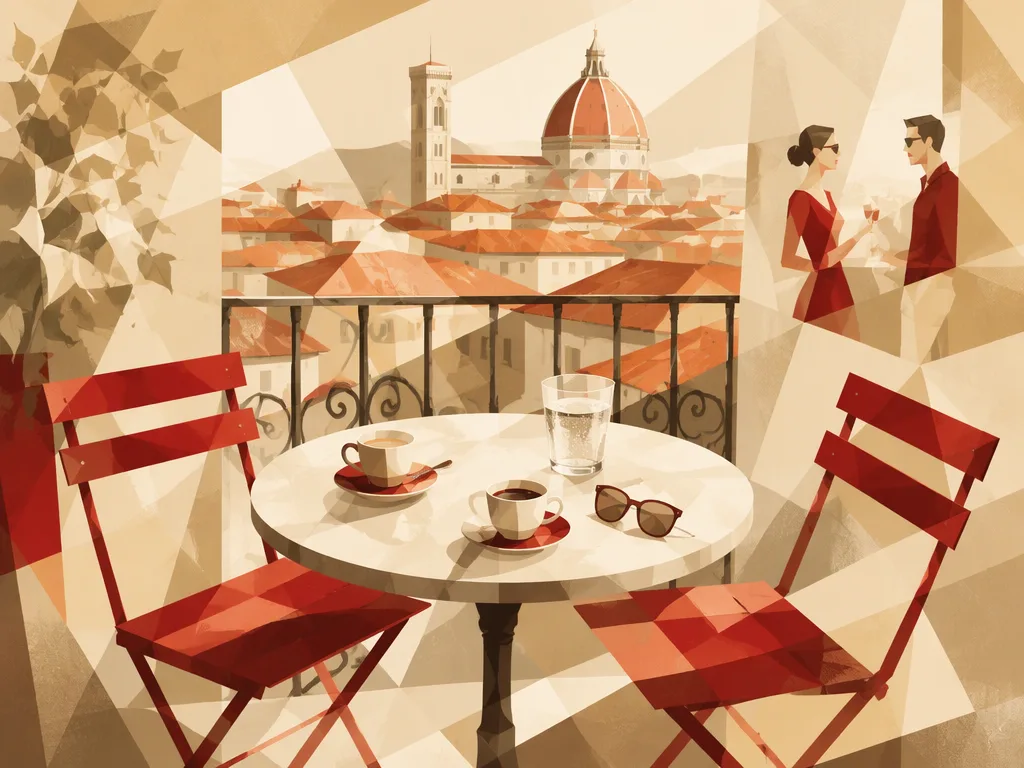
Reacting in Conversation
Short expressions and spoken fillers Italians use to react in everyday conversation with friends:Surprise, joy and relief: Davvero?, Ma dai!, Che bello!, Meno male!Sympathy, agreement and reassurance: Che peccato!, Appunto!, Figurati!, Ci mancherebbe!Doubt, impatience and spoken fillers: Macché!, Uffa!, Boh!, cioè, insommaListen closely to the intonation in the examples, since tone of voice gives these short reactions much of their meaning.
Vocafy
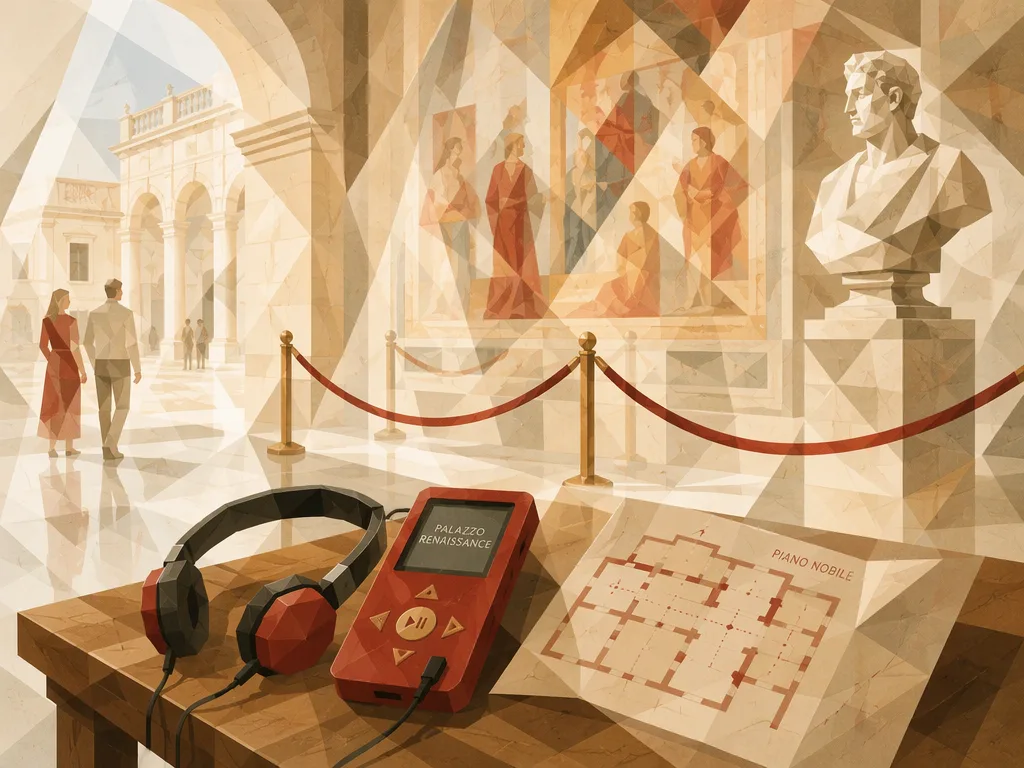
Museums, Sights and Guided Tours
Follow a visit to an Italian museum, exhibition or historic church from the ticket desk to the exit.Buying full-price or reduced tickets, checking opening hours and picking up an audio guideUnderstanding museum and church rules about bags, photos and dress codesJoining a guided tour, asking the guide questions with polite Lei and talking about what was worth seeing
Vocafy
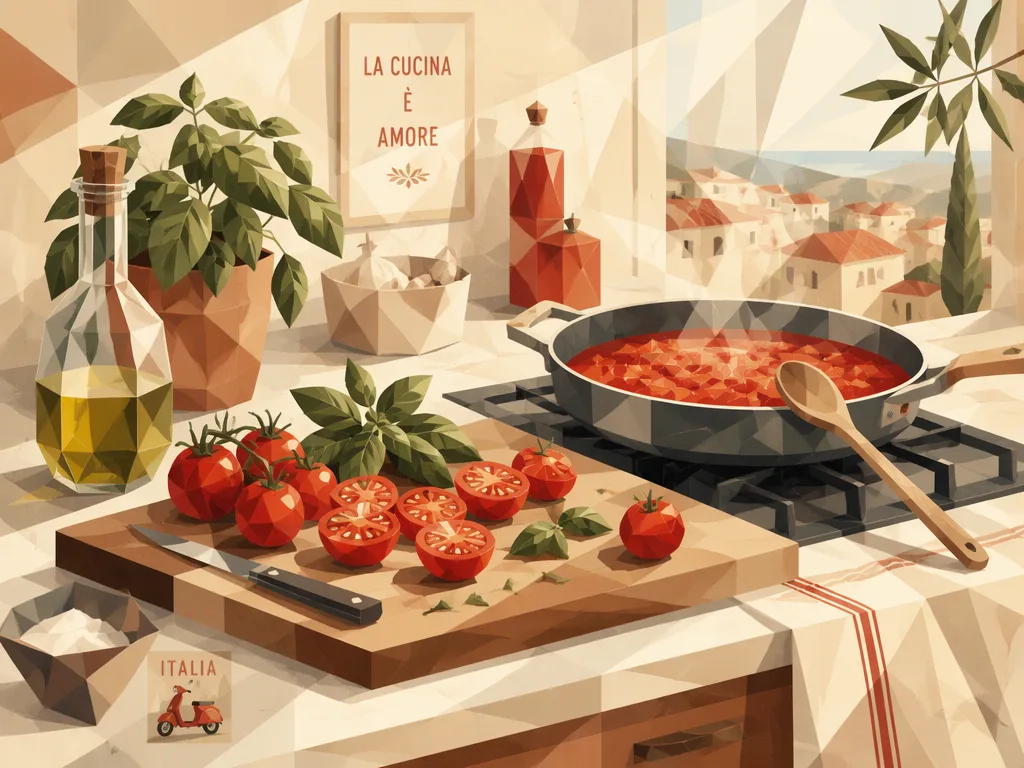
Cooking at Home
Cook a meal in Italian from prepping vegetables to bringing the pan to the table, using the everyday words friends say in the kitchen.Cooking steps: verbs for cutting, heating oil, sautéing, boiling, stirring, draining and tastingIn the kitchen: the pot and the pan, cooking heat, and everyday measures like un filo d'olio and un pizzico di saleNatural remarks: short sentences using tu that follow the order of making a meal together
Vocafy
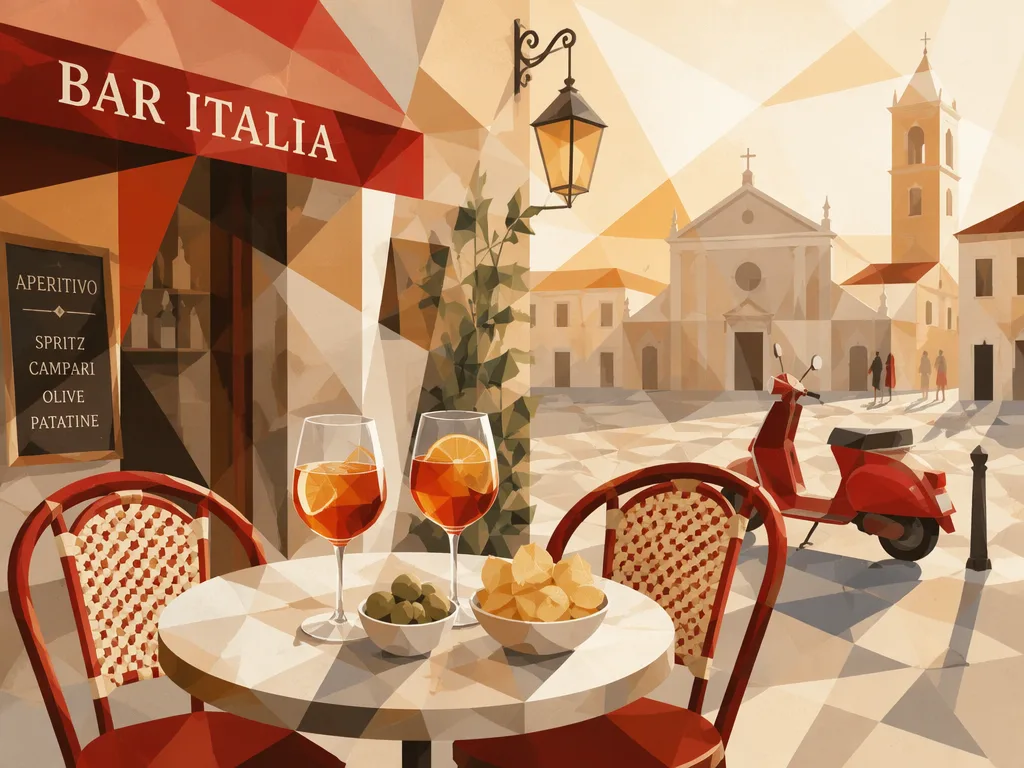
Making Plans With Friends
Informal phrases and verbs for making, changing and cancelling plans with friends in Italian, using tu.Suggesting an aperitivo, a dinner or a weekend trip, and accepting with enthusiasmFixing a time and place, booking a table and picking someone upSaying you cannot make it, moving a plan to another day or texting that you are running lateNotice how verbs for meeting and keeping in touch use ci for 'each other': ci vediamo, ci troviamo, ci sentiamo.
Vocafy
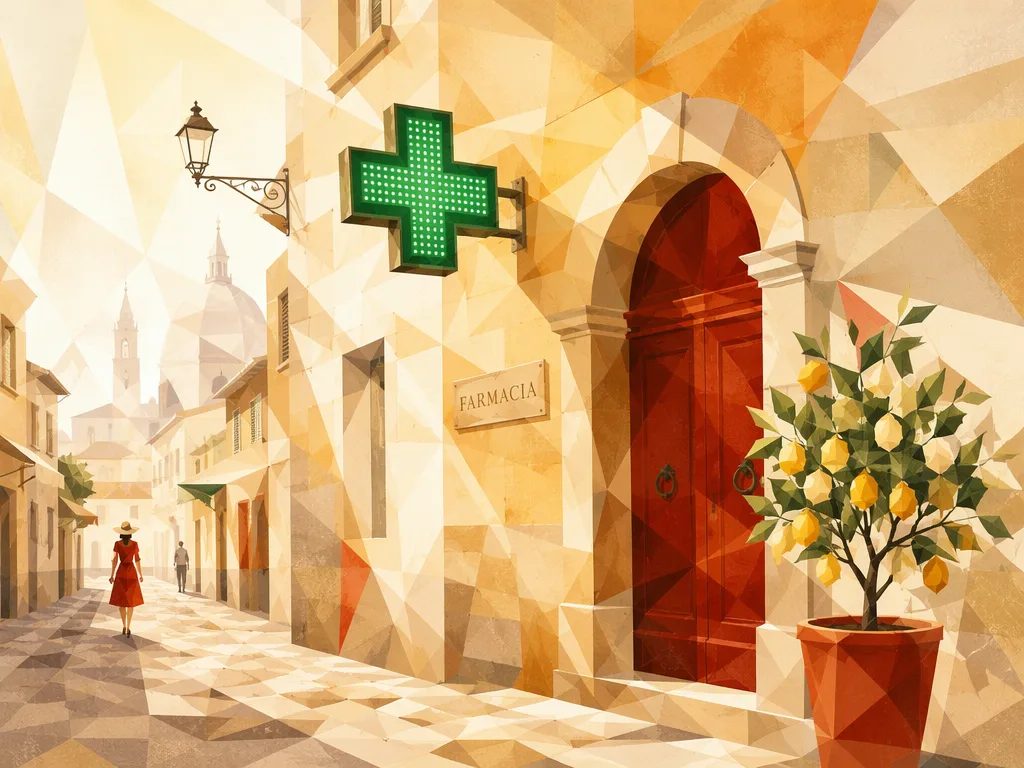
At the Pharmacy on a Trip
If you feel unwell or have a minor accident while traveling in Italy, your first stop is usually a farmacia, where a pharmacist can give advice and sell most everyday remedies over the counter.Explain what is wrong: say where it hurts and describe common problems like a fever, a cold, a stomach ache, sunburn, or an insect bite.Ask for what you need: polite phrases with formal Lei to ask for a remedy and tell the pharmacist how long you have had your symptoms.Understand the advice: follow simple instructions on how and when to take a medicine, and know when you need a prescription or a doctor.
Vocafy
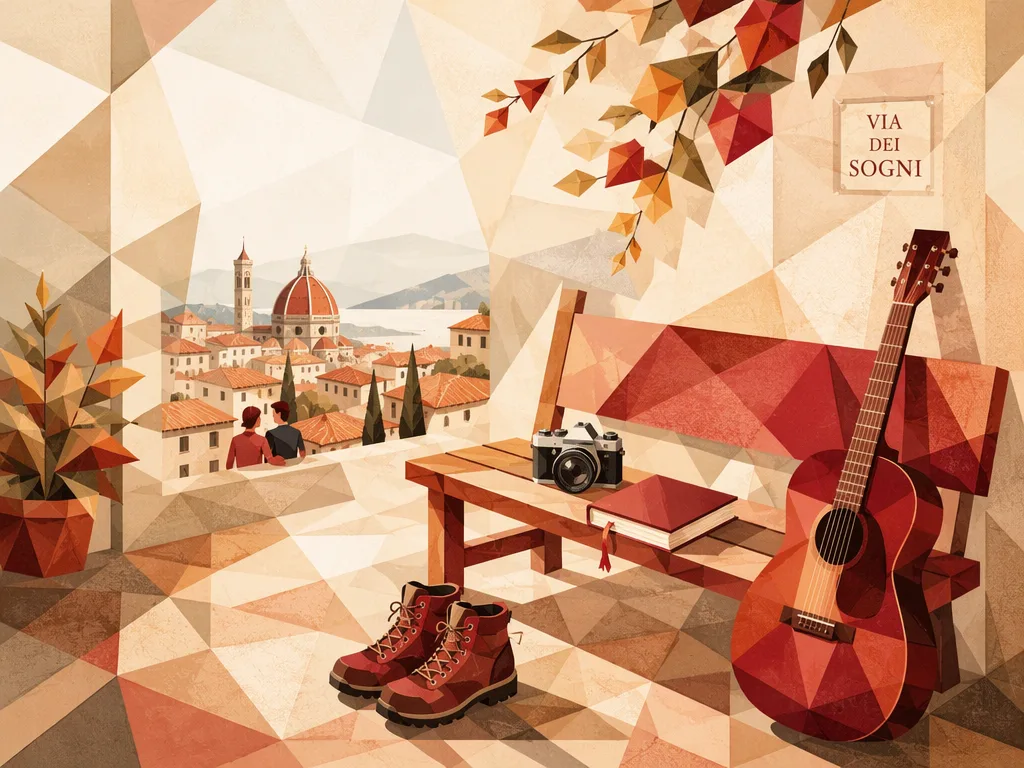
Free Time and Hobbies
Talk with friends about what you enjoy doing in your free time, how often you do it, and invite someone to join you.Pay attention to the verb that goes with each activity: Italians use fare for general exercise, walks and photography, giocare a for games and ball sports, suonare for musical instruments, and andare for places like the gym or the mountains.Listen to how frequency expressions like nel fine settimana and due volte alla settimana fit naturally into everyday sentences.
Vocafy
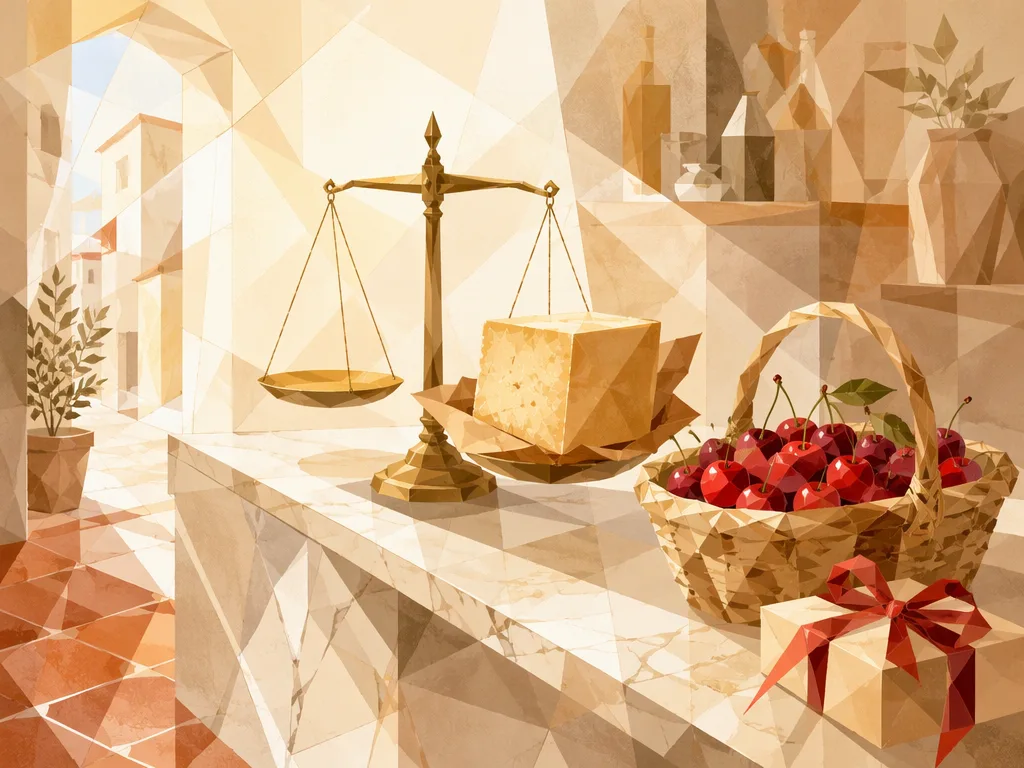
At the Market and in Shops
Phrases and words you hear and use at an Italian food market and in small shops, from buying cheese by weight to trying on clothes and paying at the till.Order quantities at the counter with un etto di and mezzo chilo, ask for a taste, and check the price.Browse in a shop, ask to try something on, and ask for another size or a gift wrap.Notice how shopkeepers and customers speak to each other using polite Lei forms such as Desidera?, Mi dà…? and Ecco a Lei.
Vocafy
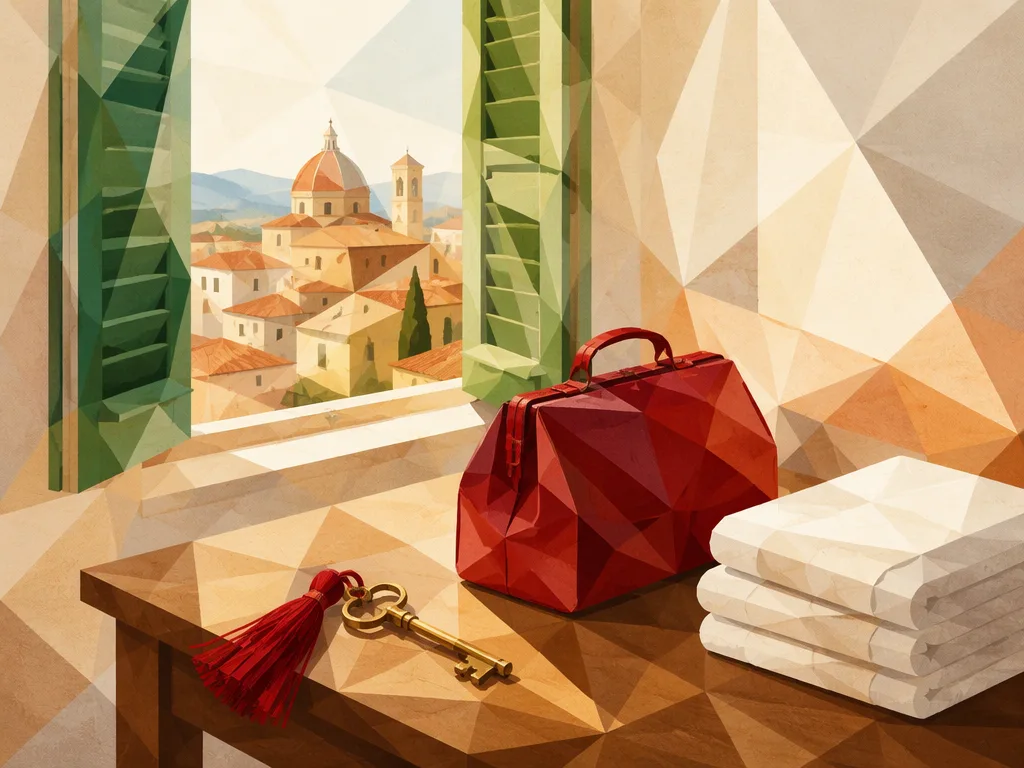
At a Hotel or B&B
Words and phrases for staying at a hotel or B&B in Italy, from arriving late for check-in to leaving your bags on the last day.Follows the order of a real stay: getting your key, sorting out the wrong room, reporting things that do not work, checking breakfast times and paying the tourist tax.Notice how guests and staff address each other politely using the formal Lei form, with phrases like Scusi, Mi può dare and Preferisce.
Vocafy
나만의 Voca 세트를 만들 준비가 되셨나요?
AI로 바로 연습할 수 있는 Voca 세트를 몇 초 만에 만들고, 읽기 자료에서 단어를 가져오거나, 처음부터 나만의 학습 세트를 만들 수 있어요.