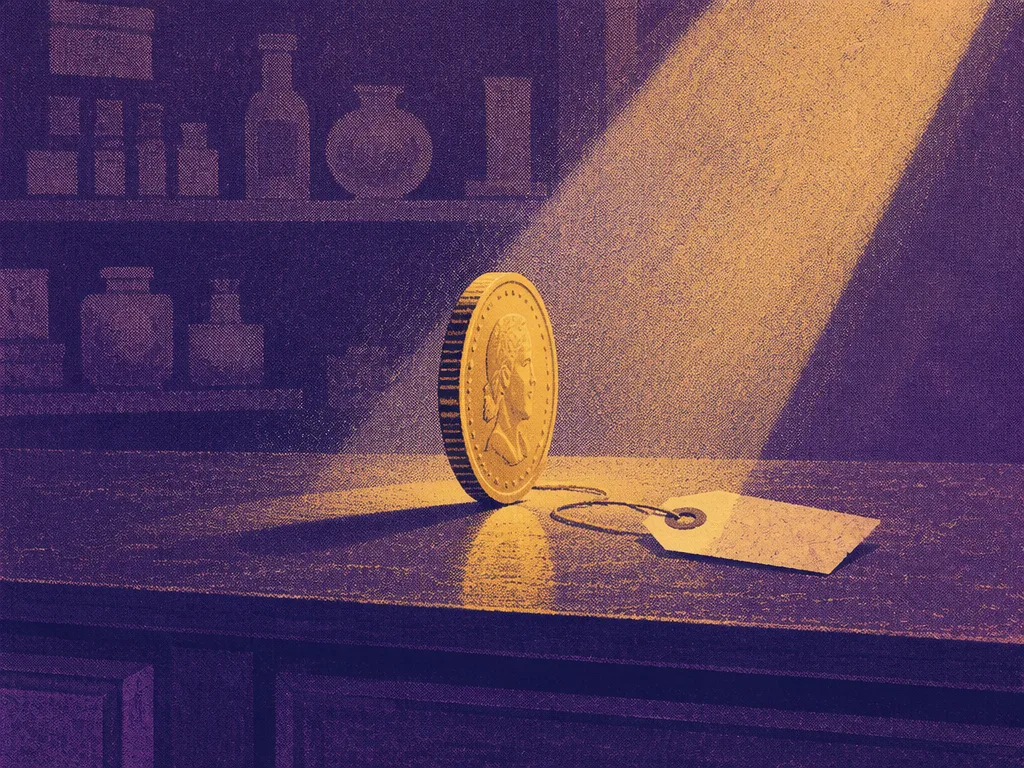
A trip to a shop set to an alt-pop beat: asking the price, paying by card or in cash, and asking for the receipt. Practice shopping vocabulary, the imperative, and expressions like «costar un ojo de la cara».
Manual sync mode
Start playback, then stamp the highlighted next line with Space or the big stamp button.
You can save once all lines are stamped.
0/0
Lo veo en la tienda, me llama la atención
--:--
I see it in the store, it calls my attention (more naturally: it catches my eye)
Entro por la puerta con mucha ilusión
--:--
I enter through the door with a lot of excitement
Miro la etiqueta, leo con cuidado
--:--
I look at the tag, I read with care (more naturally: I read carefully)
¿Es muy caro ahora o es demasiado?
--:--
Is it very expensive now or is it too much?
¿Aceptas la tarjeta?
--:--
Do you accept the card? (more naturally: Do you take cards?)
¿O pago en efectivo?
--:--
Or do I pay in cash?
Tengo unas monedas
--:--
I have some coins
Ese es mi motivo
--:--
That is my reason
¿Cuánto cuesta? Dime el precio
--:--
How much does it cost? Tell me the price
Lo quiero comprar ahora, le tengo aprecio
--:--
I want to buy it now, I have appreciation for it (more naturally: I'm really fond of it)
Quédate el cambio, dame el recibo
--:--
Keep the change, give me the receipt
Este pequeño viaje me hace sentir vivo
--:--
This little trip makes me feel alive
No es muy barato, pero está muy bien
--:--
It is not very cheap, but it is very good (more naturally: it's really nice)
Saco mi cartera, con billetes de cien
--:--
I take out my wallet, with bills of a hundred (more naturally: with hundred-dollar bills)
Me das una bolsa, con una sonrisa aquí
--:--
You give me a bag, with a smile here
Pongo mi código, es todo para mí
--:--
I put in my code, it is all for me (more naturally: I enter my PIN, it's all mine)
¿Aceptas la tarjeta?
--:--
Do you accept the card? (more naturally: Do you take cards?)
¿O pago en efectivo?
--:--
Or do I pay in cash?
Tengo unas monedas
--:--
I have some coins
Ese es mi motivo
--:--
That is my reason
¿Cuánto cuesta? Dime el precio
--:--
How much does it cost? Tell me the price
Lo quiero comprar ahora, le tengo aprecio
--:--
I want to buy it now, I have appreciation for it (more naturally: I'm really fond of it)
Quédate el cambio, dame el recibo
--:--
Keep the change, give me the receipt
Este pequeño viaje me hace sentir vivo
--:--
This little trip makes me feel alive
Me gusta esta compra, me hace sentir bien
--:--
I like this purchase, it makes me feel good
Pero no quiero que me cueste un ojo de la cara también
--:--
But I don't want it to cost me an eye of the face too (idiom: 'costar un ojo de la cara' means to cost an arm and a leg, or be extremely expensive)
Tengo que tener cuidado con lo que voy a gastar
--:--
I have to be careful with what I am going to spend
Para el día de mañana poder ahorrar
--:--
For the day of tomorrow to be able to save (idiom: 'el día de mañana' means in the future; more naturally: So I can save for the future)
¿Cuánto cuesta? Dime el precio
--:--
How much does it cost? Tell me the price
Lo quiero comprar ahora, le tengo aprecio
--:--
I want to buy it now, I have appreciation for it (more naturally: I'm really fond of it)
I see it in the store, it calls my attention (more naturally: it catches my eye)
Entroporlapuertaconmuchailusión
I enter through the door with a lot of excitement
Mirolaetiqueta, leoconcuidado
I look at the tag, I read with care (more naturally: I read carefully)
¿Esmuycaroahoraoesdemasiado?
Is it very expensive now or is it too much?
¿Aceptaslatarjeta?
Do you accept the card? (more naturally: Do you take cards?)
¿Opagoenefectivo?
Or do I pay in cash?
Tengounasmonedas
I have some coins
Eseesmimotivo
That is my reason
¿Cuántocuesta? Dimeelprecio
How much does it cost? Tell me the price
Loquierocomprarahora, letengoaprecio
I want to buy it now, I have appreciation for it (more naturally: I'm really fond of it)
Quédateelcambio, dameelrecibo
Keep the change, give me the receipt
Estepequeñoviajemehacesentirvivo
This little trip makes me feel alive
Noesmuybarato, peroestámuybien
It is not very cheap, but it is very good (more naturally: it's really nice)
Sacomicartera, conbilletesdecien
I take out my wallet, with bills of a hundred (more naturally: with hundred-dollar bills)
Medasunabolsa, conunasonrisaaquí
You give me a bag, with a smile here
Pongomicódigo, estodoparamí
I put in my code, it is all for me (more naturally: I enter my PIN, it's all mine)
¿Aceptaslatarjeta?
Do you accept the card? (more naturally: Do you take cards?)
¿Opagoenefectivo?
Or do I pay in cash?
Tengounasmonedas
I have some coins
Eseesmimotivo
That is my reason
¿Cuántocuesta? Dimeelprecio
How much does it cost? Tell me the price
Loquierocomprarahora, letengoaprecio
I want to buy it now, I have appreciation for it (more naturally: I'm really fond of it)
Quédateelcambio, dameelrecibo
Keep the change, give me the receipt
Estepequeñoviajemehacesentirvivo
This little trip makes me feel alive
Megustaestacompra, mehacesentirbien
I like this purchase, it makes me feel good
Peronoquieroquemecuesteunojodelacaratambién
But I don't want it to cost me an eye of the face too (idiom: 'costar un ojo de la cara' means to cost an arm and a leg, or be extremely expensive)
Tengoquetenercuidadoconloquevoyagastar
I have to be careful with what I am going to spend
Paraeldíademañanapoderahorrar
For the day of tomorrow to be able to save (idiom: 'el día de mañana' means in the future; more naturally: So I can save for the future)
¿Cuántocuesta? Dimeelprecio
How much does it cost? Tell me the price
Loquierocomprarahora, letengoaprecio
I want to buy it now, I have appreciation for it (more naturally: I'm really fond of it)
Quédateelcambio, dameelrecibo
Keep the change, give me the receipt
Estepequeñoviajemehacesentirvivo
This little trip makes me feel alive
Tarjetaoefectivo
Card or cash
Quédateelcambio
Keep the change
¿Cuántoes?
How much is it?
10+
5+
4
3
2
1
What it's about
The singer sees something in a shop that catches their eye, goes in excitedly, looks at the tag and asks the price. They hesitate between paying con tarjeta or en efectivo, pay, ask for the receipt and leave happy. In the bridge, they reflect: they like the purchase, but don't want to spend too much, because they also want to ahorrar for the future.
Useful words and expressions
¿Cuánto cuesta? / ¿Cuánto es?: two ways to ask the price. ¿Cuánto es? is widely used when paying the total.
el precio, la etiqueta, el recibo, el cambio, la bolsa: basic shop vocabulary.
la tarjeta, el efectivo, las monedas, los billetes, la cartera: ways to pay and where we carry money.
pagar en efectivo / con tarjeta: pay attention to the prepositions.
caro / barato / demasiado: for talking about the price.
gastar (to spend money) and ahorrar (to save money).
llamar la atención: Me llama la atención = something interests me when I see it.
con ilusión: with joy and enthusiasm.
Quédate el cambio: you don't need to give me back the leftover money.
costar un ojo de la cara: to be very expensive (a very common colloquial expression).
el día de mañana: in the future.
el código: here, the card's secret number (PIN); in real life, marcar el PIN is more common.
Grammar
Tú imperative: dime, dame, quédate. With pronouns, these are attached to the verb: di + me = dime.
Querer + infinitive: Lo quiero comprar = Quiero comprarlo (the pronoun can go before or after).
Tener que + infinitive (obligation): Tengo que tener cuidado.
Ir a + infinitive (near future): lo que voy a gastar.
Hacer + sentir: me hace sentir vivo / bien.
Subjunctive after no quiero que: No quiero que me cueste… When the subject changes, querer que is followed by the subjunctive.
Watch out: poetic license for the rhyme
«Ese es mi motivo» is there to rhyme with efectivo; it doesn't have a clear meaning in the sentence. Don't use it like this.
«Le tengo aprecio» is normally said about people; with an object it sounds strange. Here it rhymes with precio. For things, it's better to use me encanta or me gusta mucho.
«¿Es muy caro ahora o es demasiado?» is an unnatural question; normally you would say ¿Es muy caro? or ¿Es demasiado caro?
«Para el día de mañana poder ahorrar» changes the word order for the rhythm; the normal order is para poder ahorrar el día de mañana. The final también in the previous line is also redundant.
In a shop, you usually address the shop assistant as usted or in the plural: ¿Acepta tarjeta? / ¿Aceptan tarjeta? (normally without an article). The song uses tú.
We do not use third-party advertising cookies or cross-site tracking pixels.
We use cookies and similar technologies to keep our app running smoothly, analyze performance, and improve your experience. You can manage your preferences at any time.