


What it's about
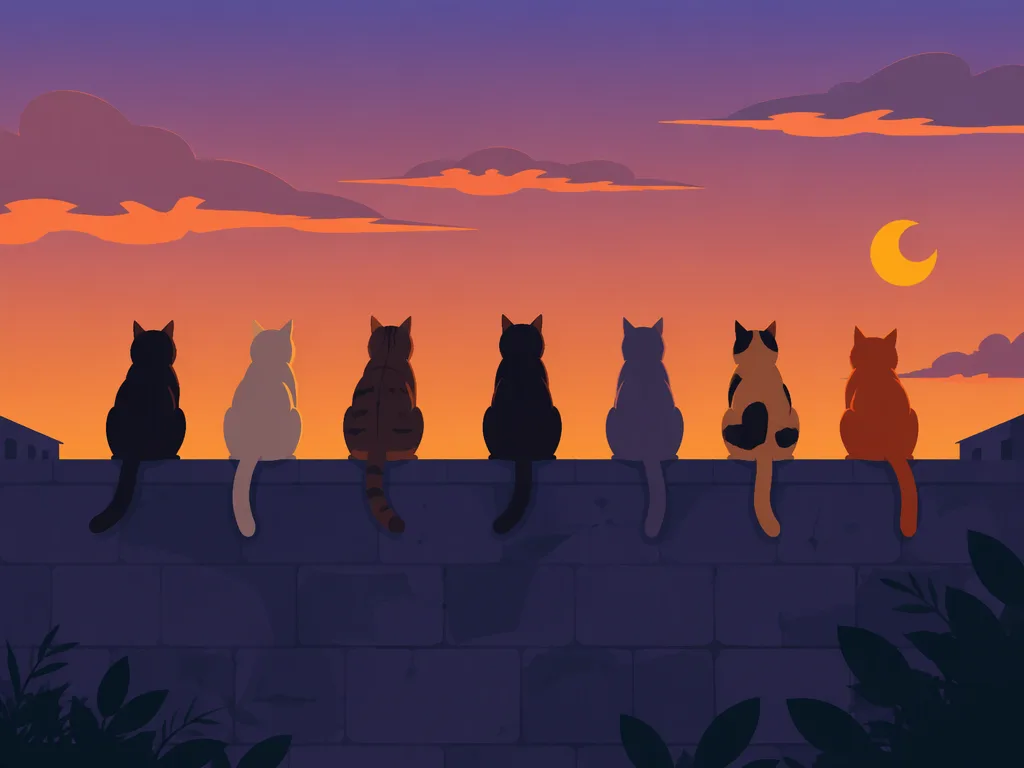
The song invites you to count the world, one by one: stars, paths, cats on a wall, steps, clouds, and seagulls. Everything can be counted and, as the chorus says, bajo el sol no falta ninguno. In the bridge, the music calms down, but the singer wants to keep counting and dancing, even if there are very few people in the room.
Useful words and expressions
- Cardinal numbers: uno, dos, tres, cuatro… ocho, diez, veinte, cincuenta, cien, mil, un millón.
- Ordinal numbers: el primero, el segundo.
- Quantities: poco a poco (gradually), mucho o nada, unos pocos, un montón (a lot, colloquial), la mitad, el doble, cero.
- Sumar: to add up, to put quantities together.
- Uno a uno: one by one, without skipping any.
- Rincón: corner, a small place of one's own.
- Desatino: mistake, nonsense.
- Ser cuatro gatos: a very common colloquial expression that means “to be very few people”. Aunque seamos cuatro gatos en el salón = even if there are very few people.
Grammar
- Tú imperative: Cuenta (from contar) and Dime (from decir + me). Cuenta el mundo means “count (you) the world”.
- Asking about quantities: ¿Cuánto hay? / ¿Cuántas cosas…? The question word agrees with the noun: cuántas cosas, cuántos gatos.
- Double negation: no falta ninguno. In Spanish, it is correct and mandatory to use no together with ninguno when it comes after the verb.
- Gerund constructions: voy midiendo (ir + gerund, an action that progresses little by little) and seguimos bailando (seguir + gerund, an action that continues).
- Subjunctive with aunque: aunque seamos expresses a possible situation or one that doesn't matter.
- Number details: you say cien estrellas (not ciento) and mil caminos (without un), but un millón de desatinos (with un and de).
Watch out for the rhyme
Some phrases are chosen to rhyme and are not a model to copy:
- Muchos números, derrocho: derrochar means “to spend too much, to waste”. Here it appears mainly to rhyme with ocho and doesn't have a clear meaning.
- Cuántas cosas en el teatro: the theater only comes up to rhyme with cuatro.
- Este ritmo es oportuno: oportuno (suitable at just the right moment) rhymes with uno, but it is an unusual way to talk about a rhythm.
- La mitad o hacerlo doble: mixes a noun and a verb. The natural way to say it is la mitad o el doble.