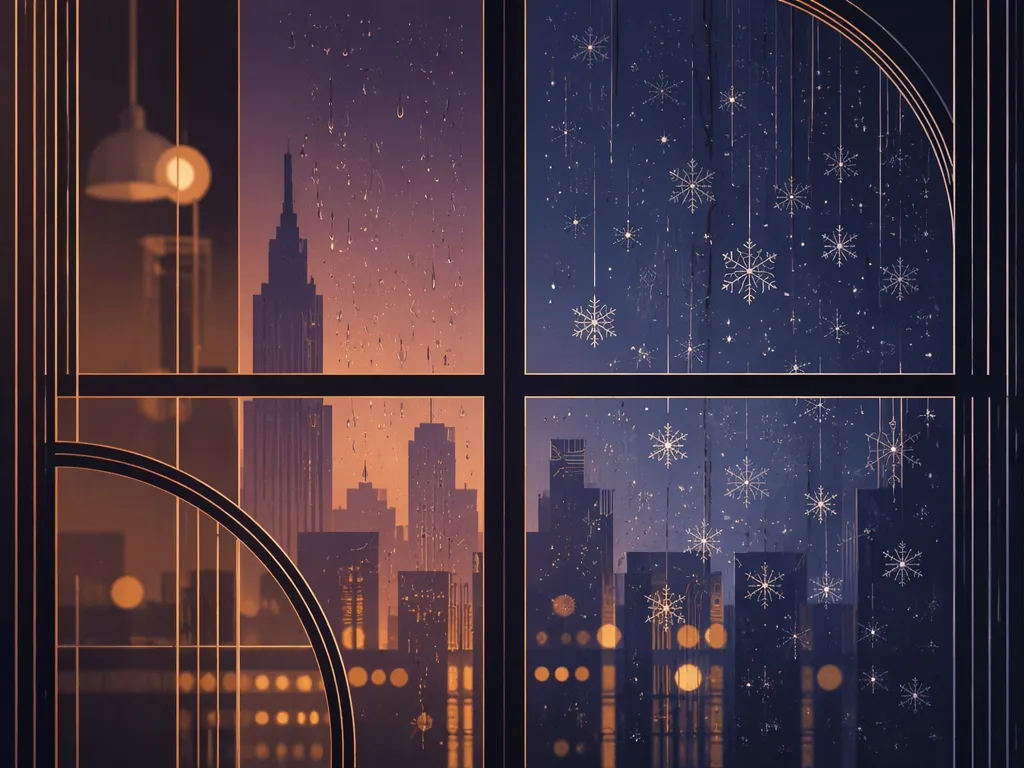
A song about passing time: days of the week, months and seasons follow one another. Review the Italian calendar, time expressions, and verbs like passare, girare and andarsene.
Manual sync mode
Start playback, then stamp the highlighted next line with Space or the big stamp button.
You can save once all lines are stamped.
0/0
Lunedì mattina inizia il lavoro
--:--
Monday morning the work begins (more naturally: Work starts on Monday morning)
Martedì e mercoledì, un grande tesoro
--:--
Tuesday and Wednesday, a great treasure
Giovedì e venerdì, tutto è finito
--:--
Thursday and Friday, everything is finished
Sabato e domenica, mi sono divertito
--:--
Saturday and Sunday, I had fun
I giorni passano, l'orologio gira
--:--
The days pass, the clock turns (more naturally: Days go by, the clock ticks on)
Il vento del tempo veloce che spira
--:--
The wind of time that blows fast
Settimane e mesi, le stagioni cambiano
--:--
Weeks and months, the seasons change
Anni che vengono, anni che vanno
--:--
Years that come, years that go
Gennaio porta il freddo e il ghiaccio
--:--
January brings the cold and the ice
Aprile ci dà un caldo abbraccio
--:--
April gives us a warm hug
Il sole d'agosto nel cielo è potente
--:--
The sun of August in the sky is powerful (more naturally: The August sun is powerful in the sky)
Ottobre colora l'intero ambiente
--:--
October colors the entire environment (more naturally: October colors all the surroundings)
I giorni passano, l'orologio gira
--:--
The days pass, the clock turns (more naturally: Days go by, the clock ticks on)
Il vento del tempo veloce che spira
--:--
The wind of time that blows fast
Settimane e mesi, le stagioni cambiano
--:--
Weeks and months, the seasons change
Anni che vengono, anni che vanno
--:--
Years that come, years that go
La primavera fa nascere i fiori
--:--
The spring makes the flowers be born (more naturally: Spring makes the flowers bloom)
L'estate ci scalda con mille colori
--:--
The summer warms us with a thousand colors
Le foglie d'autunno cadono giù
--:--
The leaves of autumn fall down (more naturally: The autumn leaves fall down)
L'inverno è bianco e non piove più
--:--
The winter is white and it doesn't rain anymore
Il calendario sfoglia le pagine lente
--:--
The calendar flips the slow pages (more naturally: The calendar slowly turns its pages)
Succede tutto in un batter d'occhio, veramente
--:--
Everything happens in the blink of an eye, truly ('in un batter d'occhio' is an idiom that literally means 'in a beat of an eye')
Un minuto, un'ora, non si torna indietro
--:--
A minute, an hour, one does not go back (more naturally: A minute, an hour, there is no going back)
Il tempo riflette come in un vetro
--:--
The time reflects like in a glass (more naturally: Time reflects as if in a pane of glass)
Un altro anno ormai se ne va
--:--
Another year by now goes away (more naturally: Another year is now coming to an end)
Festeggiamo insieme, che felicità
--:--
Let's celebrate together, what happiness (more naturally: Let's celebrate together, what a joy)
I decenni volano, il ricordo sta lì
--:--
The decades fly, the memory stays there (more naturally: Decades fly by, the memories remain)
Viviamo la vita, ogni singolo dì
--:--
Let's live the life, every single day (more naturally: Let's live life, every single day; 'dì' is a shorter, poetic word for day)
I giorni passano, l'orologio gira
--:--
The days pass, the clock turns (more naturally: Days go by, the clock ticks on)
Monday morning the work begins (more naturally: Work starts on Monday morning)
Martedìemercoledì, ungrandetesoro
Tuesday and Wednesday, a great treasure
Giovedìevenerdì, tuttoèfinito
Thursday and Friday, everything is finished
Sabatoedomenica, misonodivertito
Saturday and Sunday, I had fun
Igiornipassano, l'orologiogira
The days pass, the clock turns (more naturally: Days go by, the clock ticks on)
Ilventodeltempovelocechespira
The wind of time that blows fast
Settimaneemesi, lestagionicambiano
Weeks and months, the seasons change
Annichevengono, annichevanno
Years that come, years that go
Gennaioportailfreddoeilghiaccio
January brings the cold and the ice
Aprilecidàuncaldoabbraccio
April gives us a warm hug
Ilsoled'agostonelcieloèpotente
The sun of August in the sky is powerful (more naturally: The August sun is powerful in the sky)
Ottobrecoloral'interoambiente
October colors the entire environment (more naturally: October colors all the surroundings)
Igiornipassano, l'orologiogira
The days pass, the clock turns (more naturally: Days go by, the clock ticks on)
Ilventodeltempovelocechespira
The wind of time that blows fast
Settimaneemesi, lestagionicambiano
Weeks and months, the seasons change
Annichevengono, annichevanno
Years that come, years that go
Laprimaverafanascereifiori
The spring makes the flowers be born (more naturally: Spring makes the flowers bloom)
L'estateciscaldaconmillecolori
The summer warms us with a thousand colors
Lefoglied'autunnocadonogiù
The leaves of autumn fall down (more naturally: The autumn leaves fall down)
L'invernoèbiancoenonpiovepiù
The winter is white and it doesn't rain anymore
Ilcalendariosfoglialepaginelente
The calendar flips the slow pages (more naturally: The calendar slowly turns its pages)
Succedetuttoinunbatterd'occhio, veramente
Everything happens in the blink of an eye, truly ('in un batter d'occhio' is an idiom that literally means 'in a beat of an eye')
Unminuto, un'ora, nonsitornaindietro
A minute, an hour, one does not go back (more naturally: A minute, an hour, there is no going back)
Iltemporiflettecomeinunvetro
The time reflects like in a glass (more naturally: Time reflects as if in a pane of glass)
Unaltroannoormaiseneva
Another year by now goes away (more naturally: Another year is now coming to an end)
Festeggiamoinsieme, chefelicità
Let's celebrate together, what happiness (more naturally: Let's celebrate together, what a joy)
Idecennivolano, ilricordostalì
The decades fly, the memory stays there (more naturally: Decades fly by, the memories remain)
Viviamolavita, ognisingolodì
Let's live the life, every single day (more naturally: Let's live life, every single day; 'dì' is a shorter, poetic word for day)
Igiornipassano, l'orologiogira
The days pass, the clock turns (more naturally: Days go by, the clock ticks on)
Ilventodeltempovelocechespira
The wind of time that blows fast
Settimaneemesi, lestagionicambiano
Weeks and months, the seasons change
Annichevengono, annichevanno
Years that come, years that go
Igiornipassano
The days pass (more naturally: Days go by)
Tempochevola
Time that flies
Lestagionicambiano
The seasons change
20+
10+
5+
4
3
2
1
What it's about
The song tells about the passing of time, from small to large. It starts with the workweek and the weekend, moves on to the months and seasons, and arrives at years and decades. The final message is simple: time flies and doesn't turn back, so it's worth living every day well.
Useful words and expressions
I giorni della settimana (days of the week): lunedì, martedì, mercoledì, giovedì, venerdì, sabato, domenica. They are written in lowercase. Lunedì mattina means "Monday morning" ("il lunedì di mattina").
I mesi (months): gennaio, aprile, agosto, ottobre, also written in lowercase.
Le stagioni (seasons): la primavera, l'estate, l'autunno, l'inverno.
Il tempo (time): l'orologio, il calendario, un minuto, un'ora, le settimane, i mesi, gli anni, i decenni.
I giorni passano: "the days go by". Passare is a key verb for talking about time.
In un batter d'occhio: in the blink of an eye, in an instant, very quickly. It is a common idiomatic expression.
Il tempo vola: time flies, time passes quickly.
Non si torna indietro: there is no going back, it is not possible to return to the past.
Anni che vengono, anni che vanno: echoes the common expression andare e venire (to come and go).
Cadono giù: giù (down) reinforces cadono (they fall). It is redundant but very commonly used in spoken Italian.
Che felicità! (What happiness!): an exclamation formed with che + noun.
Grammar
Passato prossimo with essere and a reflexive verb: mi sono divertito (I had fun). The form is masculine; a woman would say mi sono divertita.
Pronominal verb andarsene: un altro anno se ne va means "another year ends, goes away" ("un altro anno finisce, se ne va via").
Object pronouns: ci dà un caldo abbraccio, ci scalda (ci = a noi / noi, meaning "to us / us").
Fare + infinitive (causative): la primavera fa nascere i fiori means "spring causes the birth of flowers" ("la primavera causa la nascita dei fiori").
Impersonal si: non si torna indietro (no one can go back).
Preposition di with elision: il sole d'agosto, le foglie d'autunno.
First-person plural imperative / exhortative: festeggiamo insieme, viviamo la vita.
Note: poetic licenses
Ogni singolo dì: dì is an old, literary word for "day", chosen to rhyme with lì. In everyday language, you say ogni singolo giorno.
Il vento del tempo veloce che spira: the word order is unusual in order to make spira rhyme with gira. In prose, you would say il vento veloce del tempo che soffia. Spirare for the wind is a literary verb.
Martedì e mercoledì, un grande tesoro: this is an image chosen to rhyme with lavoro, not an idiom.
Le pagine lente: the pages are not "slow". It is a poetic image meaning that they are turned slowly.
Il tempo riflette come in un vetro: this is a somewhat unclear poetic image. Normally, riflettere without an object means "to think", whereas for an image in glass you say si riflette.
L'inverno è bianco e non piove più: this means that snow comes instead of rain. It is not a rule about the climate.
We do not use third-party advertising cookies or cross-site tracking pixels.
We use cookies and similar technologies to keep our app running smoothly, analyze performance, and improve your experience. You can manage your preferences at any time.