


What it is about
The song tells the story, step by step, of a trip to the supermarket. The person walks in, grabs a cart, takes out their list and walks down the aisles: first the fruits and vegetables, then the dairy and bakery sections, and after that pasta, rice and oil. At the end they reach the checkout and realize that everything is very expensive.
Useful words and expressions
- la lista de la compra / la lista de compras: what you need to buy. The first form is more common in Spain; the second, in Latin America.
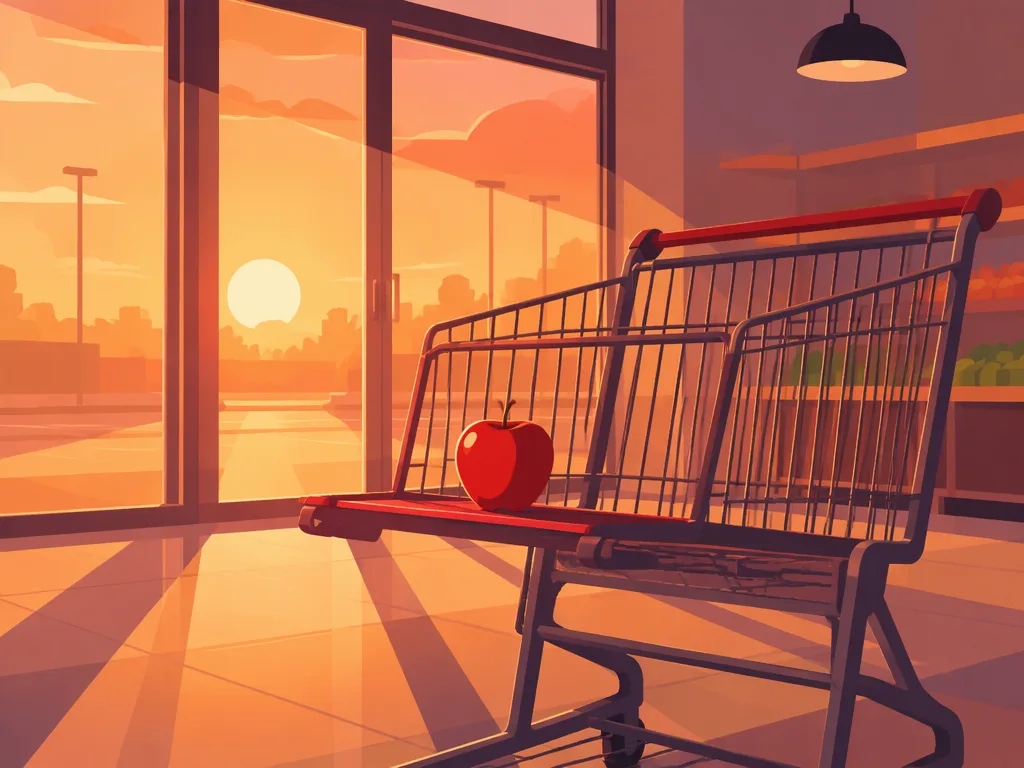
- el carrito: the supermarket shopping cart.
- los pasillos: the aisles, the walkways between the shelves.
- las verduras, las frutas: manzanas, cebollas, papas, plátanos, naranjas. Papas is used in Latin America and the Canary Islands; in the rest of Spain people say patatas.
- un racimo de plátanos: several bananas joined together (a bunch of bananas).
- los lácteos: milk, cheese, butter, yogurt (dairy products).
- el pan recién horneado: bread that has just come out of the oven. Una barra is a long loaf of bread.
- un saco de arroz, aceite de oliva, pimienta: a bag of rice, olive oil, pepper.
- la cajera: the cashier, the person who charges you at the checkout.
- la cuenta: the bill, what you have to pay.
- cuesta un ojo de la cara: it is very expensive (it costs an arm and a leg). This is a very common colloquial expression.
- doblar la esquina: to turn when reaching a corner.
- a viva voz: out loud.
Grammar
- Present indicative to narrate what is happening: cruzo, tomo, saco, voy, doblo, llego, veo, me acerco.
- Ir a + infinitive for plans: Voy a comprar la cena.
- Gerund for ongoing actions: mirando bien los precios, llenando mi carrito.
- Present perfect (pretérito perfecto): que ya he seleccionado.
- Pronominal verbs: me llevo una barra (I buy it and take it with me), me acerco a la cajera.
- Es hora de + infinitive: es hora de pagar.
Note: poetic license in the lyrics
Some phrases are adapted to rhyme or fit the music, so you shouldn't copy them word for word:
- La leche, el queso y la mantequilla veo: the normal word order is veo la leche, el queso y la mantequilla.
- La cuenta no se para: the natural way to say it is la cuenta no para (de subir).
- La tarde es muy divina: divina is already very strong; you would usually just say la tarde es divina.
- Un dulce que siempre me rescate: for something that always happens, the indicative is normally used, que siempre me rescata. The subjunctive appears here to rhyme with chocolate.
- Hacer las provisiones: for everyday grocery shopping you say hacer la compra. Hacer provisiones rather means stocking up on food for a long time.
- La tengo para mí and lo digo a viva voz are filler phrases used for the rhyme.