


What it's about
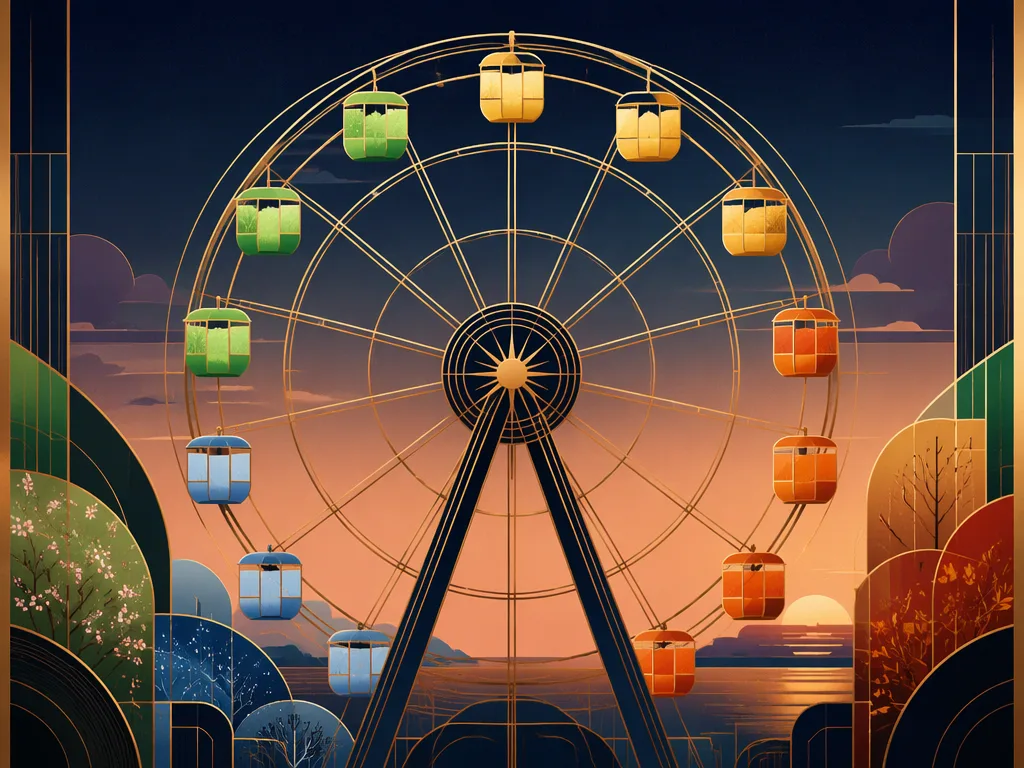
The song moves through time from the small to the large: first the days of the week, then some months, next the four seasons, and finally, years and decades. The chorus repeats the central idea: pasan los días, el reloj no para. The tone is calm and a bit nostalgic: time flies, but memories remain.
Useful vocabulary
- Days of the week: lunes, martes, miércoles, jueves, viernes, sábado, domingo. In Spanish, they are written in lowercase.
- Months: enero, abril, agosto, octubre. They also go in lowercase.
- Seasons: la primavera, el verano, el otoño, el invierno.
- Units of time: el minuto, la hora, la semana, el mes, el año, la década.
- El año nuevo and la Navidad: important holidays on the calendar.
- El reloj, el recuerdo, la rueda, la labor (work).
Expressions
- El tiempo es oro: time is very valuable, you shouldn't waste it.
- En un abrir y cerrar de ojos: very fast, in an instant.
- No hay que dudar: there is no need to hesitate. Hay que + infinitive expresses a general obligation.
- Las décadas vuelan: time passes very quickly.
- De pronto: suddenly.
Grammar
- Present indicative for repeated facts: comienza, termina, trae, llega, pinta, caen.
- Ir a + infinitive for the future: se va a escapar.
- Empezar a + infinitive: empieza a girar.
- Object pronouns before the verb: nos da, nos limpia la cara, me hace feliz.
- Hacer + adjective: el invierno me hace feliz.
Note: poetic license
Some phrases are adapted to rhyme or sound nice, and it is best not to copy them as they are:
- La primavera las flores nos da: the natural word order is la primavera nos da las flores.
- Sábado y domingo en la esquina: comes from the expression a la vuelta de la esquina (very close). On its own, en la esquina does not have that meaning.
- En abril el cielo de pronto llueve: the verb llover normally does not take a subject. You say en abril llueve de pronto.
- El año nuevo siempre da su magia and el reloj gira are poetic images. Normally, you say that las agujas del reloj giran.
- The song describes the seasons of the northern hemisphere: in January it is cold and it snows. In southern countries, such as Argentina or Chile, January is summer.