


What it is about
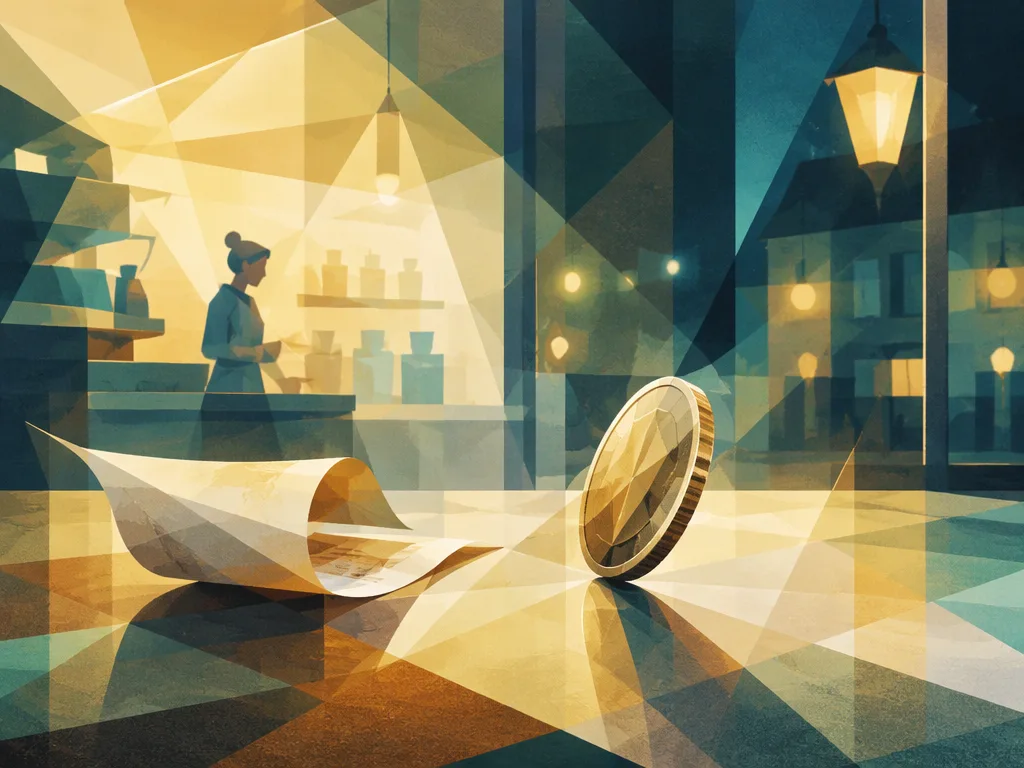
The singer sees an item in the shop window (vetrina), falls in love with it, and enters the shop (negozio). They look at the tag (etichetta), ask the price, and decide to buy it. They pay and take the bag (sacchetto) and the receipt (scontrino). In the bridge, however, they think twice: they want the item for a party, but don't want to spend too much.
Useful words
- la vetrina: the shop window where products are displayed
- l'etichetta: the price tag
- caro / economico: expensive (costs a lot) / cheap (costs little)
- la carta (credit card) and i contanti (cash): the two ways to pay
- la moneta: a coin
- il resto: the change (the money you get back when you pay more)
- lo scontrino: the shop receipt
- il portafoglio (wallet), il sacchetto (bag), l'acquisto (purchase), i soldi (money)
- digitare il PIN: to enter the card's PIN code
Expressions
- Quanto costa? / Quanto è?: the most common questions for asking the price. Quanto è? is more colloquial.
- Tieni pure il resto: "you can keep the change"; pure makes the invitation more polite.
- Non è male: "it's not bad" / "it's pretty good".
- Costare un occhio della testa: to cost an arm and a leg (to cost a lot).
- Restare a secco: to run out of money (to be broke).
- Mi colpisce al cuore: I like it very much, it moves me.
- Che felicità!: an exclamation of joy.
Grammar
- Informal imperative (tu): dimmi, dammi, tieni. With dimmi and dammi, the pronoun attaches to the verb.
- Direct object pronouns: Lo vedo, lo voglio comprare, la voglio. You can also say voglio comprarlo.
- Subjunctive after volere che: non voglio che mi costi (not costa).
- Per + infinitive: per non avere guai, per non restare a secco.
- Fare attenzione a: devo fare attenzione ai soldi (a + i = ai).
- Questions with o: Accetti la carta? O pago in contanti?
Note: choices made for the rhyme
- With a shop assistant in Italy, you usually use the formal Lei or the plural: Accetta la carta? / Accettate carte? The song uses tu (accetti, dimmi, dammi) for simplicity and rhythm.
- Dimmi il prezzo qua: qua is mainly used to rhyme with felicità. Mi dice il prezzo? is enough.
- I soldi che io do and questo io lo so: the pronoun io is not necessary in Italian. It is added for rhythm. Normally you say i soldi che do and lo so.
- Ho qualche moneta / Tra tutti i passanti: the second line is a poetic image for the rhyme, not a phrase to use.
- È troppo caro adesso? Dimmi solo di sì: the meaning is a bit forced. It is a play on words in the lyrics, not a natural way to ask the price.
- The story mentions both resto (cash) and PIN (card). In reality, you choose only one way to pay.