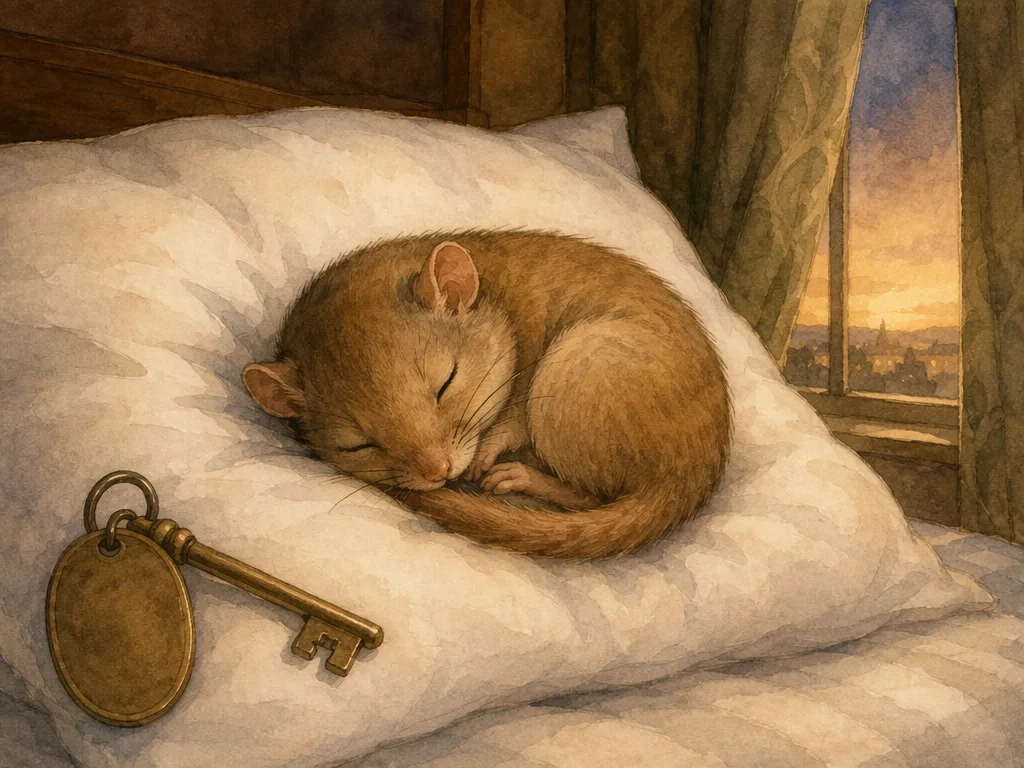
Mr. Rossi arrives at the hotel, checks in and asks about times and services. With this song you can practice dialogues at the front desk, the polite 'Lei', the imperative and hotel vocabulary.
Manual sync mode
Start playback, then stamp the highlighted next line with Space or the big stamp button.
You can save once all lines are stamped.
0/0
Benvenuti in hotel, come posso aiutarla?
--:--
Welcome to the hotel, how can I help you?
Ho una prenotazione, vorrei proprio usarla
--:--
I have a reservation, I would really like to use it (more naturally: I have a reservation, I'd like to check in)
Mi può dire il nome, lo cerco nel sistema?
--:--
Can you tell me the name, I look for it in the system? (more naturally: Could you tell me your name so I can look it up in the system?)
Sì, il nome è signor Rossi, non c'è alcun problema
--:--
Yes, the name is Mr. Rossi, there is no problem at all
La camera è quasi pronta, un minuto e ci siamo
--:--
The room is almost ready, one minute and we are there (here the expression means: just a minute and we're all set)
I bagagli li portiamo su, noi l'aiutiamo
--:--
The luggage we bring them up, we help you (more naturally: We'll bring your luggage up, we'll help you)
Ecco il passaporto, ecco la mia carta
--:--
Here is the passport, here is my card
Il check-in è veloce, la vacanza parta
--:--
The check-in is fast, let the vacation start
Check-in, check-out, alla reception
--:--
Check-in, check-out, at the reception
Prendi la tua chiave, per la sistemazione
--:--
Take your key, for the accommodation (more naturally: Take the key to your room)
Cammina nel corridoio, apri la tua porta
--:--
Walk in the hallway, open your door
Se vuoi un asciugamano, c'è chi te lo porta
--:--
If you want a towel, there is someone who brings it to you (more naturally: If you need a towel, someone will bring it to you)
Check-in, check-out, il processo è terminato
--:--
Check-in, check-out, the process is finished
Goditi la vacanza, sarai ben riposato
--:--
Enjoy the vacation, you will be well rested
A che ora è colazione? Amo mangiare bene
--:--
At what time is breakfast? I love eating well
Dalle sette alle dieci, con le nostre cene
--:--
From seven to ten, with our dinners
Dov'è il ristorante? Giù al piano terra
--:--
Where is the restaurant? Down on the ground floor
Il servizio in camera arriva a chi lo afferra
--:--
Room service arrives to whoever grabs it (more naturally: Room service is available for anyone who wants it)
A che ora è l'uscita? Le undici in punto
--:--
At what time is the exit? Eleven on the dot (more naturally: What time is check-out? Eleven sharp)
Grazie mille per tutto, ho capito l'assunto
--:--
Thank you very much for everything, I understood the premise (more naturally: Thanks a lot for everything, I got the point)
Ecco il passaporto, ecco la mia carta
--:--
Here is the passport, here is my card
Il check-in è veloce, la vacanza parta
--:--
The check-in is fast, let the vacation start
Check-in, check-out, alla reception
--:--
Check-in, check-out, at the reception
Prendi la tua chiave, per la sistemazione
--:--
Take your key, for the accommodation (more naturally: Take the key to your room)
Cammina nel corridoio, apri la tua porta
--:--
Walk in the hallway, open your door
Se vuoi un asciugamano, c'è chi te lo porta
--:--
If you want a towel, there is someone who brings it to you (more naturally: If you need a towel, someone will bring it to you)
Check-in, check-out, il processo è terminato
--:--
Check-in, check-out, the process is finished
Goditi la vacanza, sarai ben riposato
--:--
Enjoy the vacation, you will be well rested
Il viaggio è stato lungo, mi guardo un po' in giro
--:--
The trip has been long, I look around a bit
I piedi fanno male, e faccio un gran sospiro
--:--
The feet hurt, and I make a big sigh (more naturally: My feet hurt, and I let out a big sigh)
Ma chiudo le mie tende, mi metto sul cuscino
--:--
But I close my curtains, I put myself on the pillow (more naturally: But I close my curtains and lay my head on the pillow)
E questa notte vado a dormire come un ghiro
--:--
And tonight I go to sleep like a dormouse (this is an Italian idiom that means: to sleep like a log)
Check-in, check-out, alla reception
--:--
Check-in, check-out, at the reception
Prendi la tua chiave, per la sistemazione
--:--
Take your key, for the accommodation (more naturally: Take the key to your room)
Cammina nel corridoio, apri la tua porta
--:--
Walk in the hallway, open your door
Se vuoi un asciugamano, c'è chi te lo porta
--:--
If you want a towel, there is someone who brings it to you (more naturally: If you need a towel, someone will bring it to you)
Check-in, check-out, il processo è terminato
--:--
Check-in, check-out, the process is finished
Goditi la vacanza, sarai ben riposato
--:--
Enjoy the vacation, you will be well rested
Ecco la sua chiave
--:--
Here is your key
Buon soggiorno
--:--
Good stay (more naturally: Enjoy your stay)
Uscita alle undici
--:--
Exit at eleven (more naturally: Check-out is at eleven)
I have a reservation, I would really like to use it (more naturally: I have a reservation, I'd like to check in)
Mipuòdireilnome, locerconelsistema?
Can you tell me the name, I look for it in the system? (more naturally: Could you tell me your name so I can look it up in the system?)
Sì, ilnomeèsignorRossi, nonc'èalcunproblema
Yes, the name is Mr. Rossi, there is no problem at all
Lacameraèquasipronta, unminutoecisiamo
The room is almost ready, one minute and we are there (here the expression means: just a minute and we're all set)
Ibagagliliportiamosu, noil'aiutiamo
The luggage we bring them up, we help you (more naturally: We'll bring your luggage up, we'll help you)
Eccoilpassaporto, eccolamiacarta
Here is the passport, here is my card
Ilcheck-inèveloce, lavacanzaparta
The check-in is fast, let the vacation start
Check-in, check-out, allareception
Check-in, check-out, at the reception
Prendilatuachiave, perlasistemazione
Take your key, for the accommodation (more naturally: Take the key to your room)
Camminanelcorridoio, aprilatuaporta
Walk in the hallway, open your door
Sevuoiunasciugamano, c'èchiteloporta
If you want a towel, there is someone who brings it to you (more naturally: If you need a towel, someone will bring it to you)
Check-in, check-out, ilprocessoèterminato
Check-in, check-out, the process is finished
Goditilavacanza, saraibenriposato
Enjoy the vacation, you will be well rested
Acheoraècolazione? Amomangiarebene
At what time is breakfast? I love eating well
Dallesettealledieci, conlenostrecene
From seven to ten, with our dinners
Dov'èilristorante? Giùalpianoterra
Where is the restaurant? Down on the ground floor
Ilservizioincameraarrivaachiloafferra
Room service arrives to whoever grabs it (more naturally: Room service is available for anyone who wants it)
Acheoraèl'uscita? Leundiciinpunto
At what time is the exit? Eleven on the dot (more naturally: What time is check-out? Eleven sharp)
Graziemillepertutto, hocapitol'assunto
Thank you very much for everything, I understood the premise (more naturally: Thanks a lot for everything, I got the point)
Eccoilpassaporto, eccolamiacarta
Here is the passport, here is my card
Ilcheck-inèveloce, lavacanzaparta
The check-in is fast, let the vacation start
Check-in, check-out, allareception
Check-in, check-out, at the reception
Prendilatuachiave, perlasistemazione
Take your key, for the accommodation (more naturally: Take the key to your room)
Camminanelcorridoio, aprilatuaporta
Walk in the hallway, open your door
Sevuoiunasciugamano, c'èchiteloporta
If you want a towel, there is someone who brings it to you (more naturally: If you need a towel, someone will bring it to you)
Check-in, check-out, ilprocessoèterminato
Check-in, check-out, the process is finished
Goditilavacanza, saraibenriposato
Enjoy the vacation, you will be well rested
Ilviaggioèstatolungo, miguardounpo' ingiro
The trip has been long, I look around a bit
Ipiedifannomale, efaccioungransospiro
The feet hurt, and I make a big sigh (more naturally: My feet hurt, and I let out a big sigh)
Machiudolemietende, mimettosulcuscino
But I close my curtains, I put myself on the pillow (more naturally: But I close my curtains and lay my head on the pillow)
Equestanottevadoadormirecomeunghiro
And tonight I go to sleep like a dormouse (this is an Italian idiom that means: to sleep like a log)
Check-in, check-out, allareception
Check-in, check-out, at the reception
Prendilatuachiave, perlasistemazione
Take your key, for the accommodation (more naturally: Take the key to your room)
Camminanelcorridoio, aprilatuaporta
Walk in the hallway, open your door
Sevuoiunasciugamano, c'èchiteloporta
If you want a towel, there is someone who brings it to you (more naturally: If you need a towel, someone will bring it to you)
Check-in, check-out, ilprocessoèterminato
Check-in, check-out, the process is finished
Goditilavacanza, saraibenriposato
Enjoy the vacation, you will be well rested
Eccolasuachiave
Here is your key
Buonsoggiorno
Good stay (more naturally: Enjoy your stay)
Uscitaalleundici
Exit at eleven (more naturally: Check-out is at eleven)
20+
10+
5+
4
3
2
1
What it is about
The song tells the story of a guest, Mr. Rossi, arriving at a hotel. The verses are dialogues between the receptionist and the guest: reservation, name, ID, luggage, breakfast and check-out times. The chorus summarizes the steps of the stay (taking the key, walking down the hallway, opening the door). In the bridge, the guest, tired from the long journey, closes the curtains and falls asleep.
Useful words and expressions
la prenotazione: the room booked in advance (reservation)
la reception, il check-in, il check-out: the English words are used in Italian
la camera, la chiave, il corridoio, l'asciugamano, i bagagli: the room, the key, the hallway, the towel, the luggage
la sistemazione: accommodation, the room where you sleep
il servizio in camera: room service
al piano terra: on the ground floor (al pianterreno)
le undici in punto: eleven o'clock sharp (exactly at eleven)
Ecco il passaporto: ecco is used when handing something over
Buon soggiorno!: typical wish when handing over the key (Enjoy your stay!)
dormire come un ghiro: to sleep deeply, like a log (a dormouse is an animal that hibernates)
fare un (gran) sospiro: to sigh (to heave a big sigh)
i piedi fanno male: fare male is used for physical pain
Grammar
Polite Lei: the receptionist addresses the guest formally using Lei: come posso aiutarla?, Mi può dire il nome?, Ecco la sua chiave. In the chorus, however, it switches to the informal tu (prendi la tua chiave, goditi): this is a choice of the song; in a real hotel, the staff continues to use Lei.
We do not use third-party advertising cookies or cross-site tracking pixels.
We use cookies and similar technologies to keep our app running smoothly, analyze performance, and improve your experience. You can manage your preferences at any time.