



Passato Remoto in Stories and Family Memories
Learn to recognize the passato remoto, the tense of novels, fairy tales and family stories. You'll match forms like nacque, andò, fece, ebbe and dissero to their verbs, use them in short stories, and see how they work with the imperfetto.
 Vocafy
•
01:56 15/11/26

Pensavo che fosse… : The Imperfect and Past Subjunctive
Practice choosing between the past subjunctive (sia partito, abbia trovato) and the imperfect subjunctive (fosse, venissi). You will see how the verb in the main clause and the timing of the action decide the form, in everyday situations like closed shops, late friends and wishes for the future.
Vocafy
•
01:55 15/11/26
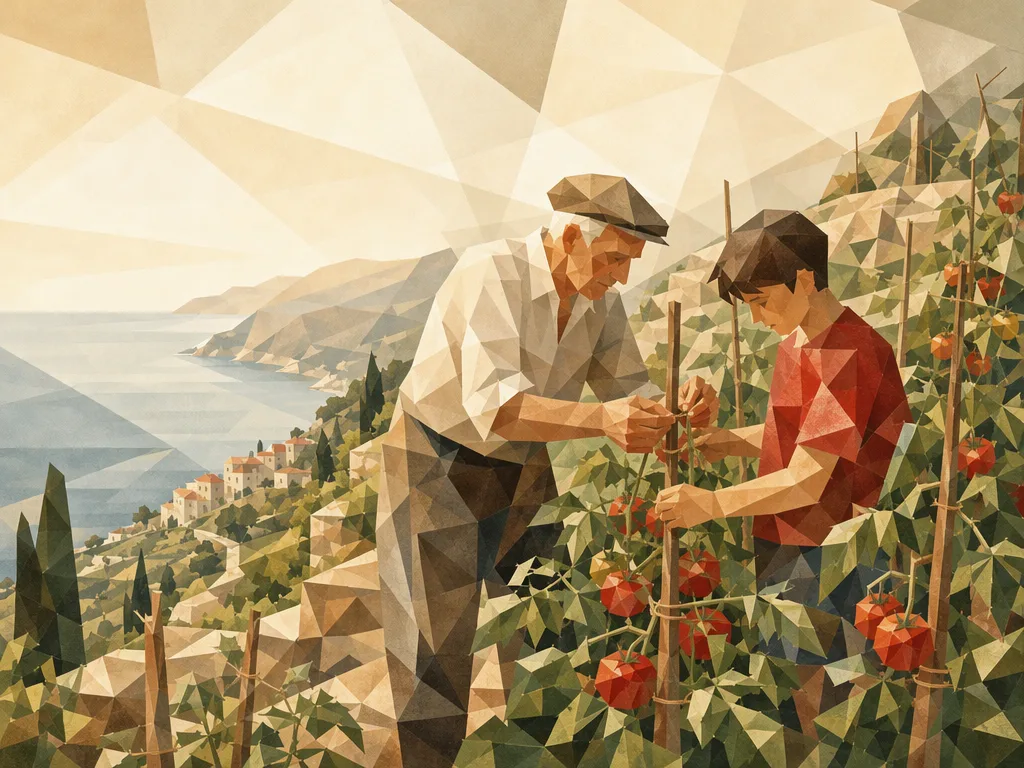
Cornetto or Brioche? Italy's Regional Words
Discover everyday words that change from region to region in Italy, such as the words for pastries, bread, fruit, clothes hangers and skipping school, and learn which ones you'll hear in Milan, Rome, Florence, Naples or Sicily.
Vocafy
•
01:54 15/11/26

Travel Trouble: Solving Problems Politely in Italian
Practice the Italian you need when a trip goes wrong: questioning a bill, reporting a lost suitcase, coping with a cancelled train or a strike, and asking for help politely with forms like 'potrebbe' and 'vorrei'.
Vocafy
•
01:53 15/11/26

Italian Idioms: Money, Waiting and Pretending
Discover and practice everyday Italian idioms such as "non vedo l'ora", "fare finta", "valere la pena", "costare un occhio della testa" and "essere al verde", plus a few other common ones. You will work on their meaning, the prepositions they take and how to use them in real sentences.
Vocafy
•
01:52 15/11/26

A Day of Art and History in Italy
Practice the Italian you need for a museum or a historic town: buying tickets, joining a guided tour, describing a painting or a church, and saying what you liked with the verb piacere in the past.
Vocafy
•
01:51 15/11/26

Listen and Write: A Saturday in Town
Follow two friends through a Saturday morning in an Italian town, one short exchange at a time. You'll hear everyday Italian at a natural pace, write down what you hear, and practice common spelling traps involving apostrophes, silent h and accents, as in «c'è», «ha», «l'ho», «po'» and «perché».
Vocafy
•
01:49 15/11/26

Linking Ideas in Italian: però, quindi, anche se…
Practice the small words that connect Italian sentences: però, quindi, infatti, comunque, invece, mentre and anche se. Through short scenes from holidays and everyday life, you'll see what each one means and choose the right one for each idea.
Vocafy
•
01:48 15/11/26

Che, cui and friends: Italian relative pronouns
Practice joining ideas with relative pronouns: «che» for subjects and direct objects, «cui» after prepositions (con cui, per cui, in cui), «il quale» and its forms, «chi», «quello che» and the possessive «il cui».
Vocafy
•
01:47 15/11/26

The Impersonal si: How Things Are Done in Italy
Practice the impersonal si through Italian habits and everyday signs: si mangia, non si fuma, come si dice? You'll also find out when the verb goes plural (si mangiano le lenticchie), why adjectives become plural (si è stanchi), how reflexive verbs work (ci si alza), and which auxiliary to use in the past (si è mangiato).
Vocafy
•
01:46 15/11/26

Hopes, Wishes and Opinions: The Present Subjunctive
Practice the present subjunctive after 'penso che', 'spero che', 'voglio che' and 'è importante che' in everyday sentences. You'll also discover when Italian uses 'di' + infinitive instead, and which forms look the same in both moods.
Vocafy
•
01:45 15/11/26

Polite Italian: vorrei, potresti, dovresti
Practice the Italian present conditional for polite requests, wishes and advice while you travel around Italy. You will order at the bar, ask strangers for help, invite friends and give advice. Along the way you will meet the irregular forms (vorrei, potrei, avrei, verresti, berrei).
Vocafy
•
01:44 15/11/26

Past Stories: Imperfetto or Passato Prossimo?
Short everyday stories where you choose between the imperfetto (background, habits, descriptions) and the passato prossimo (completed events, interruptions, sudden changes). You also find out how some verbs, like 'conoscere' and 'sapere', change their meaning depending on the tense.
Vocafy
•
01:43 15/11/26

Asking for Help in Italian
Practice the Italian you need when something goes wrong: you can't find your phone, your bag is missing, you need a doctor or you're lost. You'll ask for help politely, say what happened and understand simple answers.
Vocafy
•
01:41 15/11/26

Senti or Senta? Instructions with tu and Lei
Practice giving and understanding instructions in Italian: directions in the street, polite requests in shops, warnings to friends and children. You'll switch between the informal tu (senti, dimmi, gira, non toccare) and the polite Lei (senta, mi dica, giri, non tocchi).
Vocafy
•
01:40 15/11/26
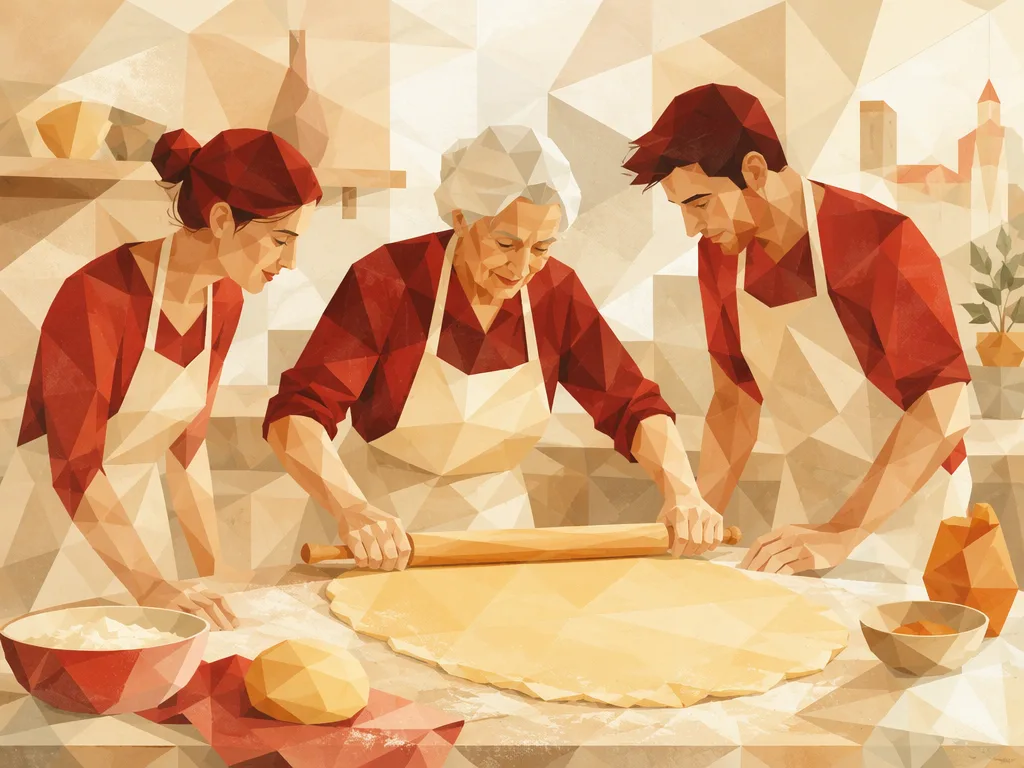
Following an Italian Recipe
Practice the language of Italian recipes: cooking verbs like tagliare, aggiungere and mescolare, quantities like un pizzico di sale and un filo d'olio, and expressions like al dente and q.b.
Vocafy
•
01:39 15/11/26

Saying No: non… mai, niente, nessuno, più
Practice Italian double negatives: 'non… mai' (never), 'non… niente' (nothing), 'non… nessuno' (nobody) and 'non… più' (no longer). You'll also discover where these words go in a sentence and when 'non' disappears.
Vocafy
•
01:38 15/11/26

Talking About the News in French
Practice the French you need to discuss current affairs: summing up an article, reporting what others said, building an argument and reacting politely to other opinions on social and environmental topics.
Vocafy
•
20:17 14/11/26

Formal French Letters: Cancelling and Complaining
Practise the building blocks of a formal French letter or email: the subject line, «Madame, Monsieur,», polite but firm requests, connectors for a complaint and the classic closing formula «Je vous prie d'agréer…».
Vocafy
•
20:16 14/11/26

Clearing Up a Misunderstanding
Practice the French you need when a conversation goes wrong: saying what you really meant, checking what the other person meant, and putting things right politely.
Vocafy
•
20:15 14/11/26

Softening What You Say in French
Practise the polite, tentative French you need at work and with friends: the conditional, «il me semble que», «j'aurais tendance à», «ce serait peut-être mieux de» and other ways to disagree or suggest without sounding blunt.
Vocafy
•
20:14 14/11/26

Speaking Up in a French Meeting
Practice the French you need in a meeting: asking for the floor, building on a colleague's idea, disagreeing tactfully, summing up and agreeing on who does what next.
Vocafy
•
20:13 14/11/26

Holding Your Ground: Arguing and Answering Objections
Practice the French you need in a discussion: acknowledging a point, disagreeing politely, conceding part of an argument and standing by your opinion with phrases like « Je comprends, mais… », « Ce n'est pas tout à fait vrai » and « Je maintiens que… ».
Vocafy
•
20:12 14/11/26

Telling a Story and Reacting Like a Native
Practice the French that brings a story to life: openers like « Tu ne vas pas le croire » and « Figure-toi que… », the imparfait and passé composé, linking words such as « tout à coup » and « bref », and natural reactions like « Quelle galère ! », « Sans blague ? » and « J'étais mort de rire ».
Vocafy
•
20:11 14/11/26
Passato Remoto in Stories and Family Memories
Learn to recognize the passato remoto, the tense of novels, fairy tales and family stories. You'll match forms like nacque, andò, fece, ebbe and dissero to their verbs, use them in short stories, and see how they work with the imperfetto.
Vocafy
Pensavo che fosse… : The Imperfect and Past Subjunctive
Practice choosing between the past subjunctive (sia partito, abbia trovato) and the imperfect subjunctive (fosse, venissi). You will see how the verb in the main clause and the timing of the action decide the form, in everyday situations like closed shops, late friends and wishes for the future.
Vocafy
Cornetto or Brioche? Italy's Regional Words
Discover everyday words that change from region to region in Italy, such as the words for pastries, bread, fruit, clothes hangers and skipping school, and learn which ones you'll hear in Milan, Rome, Florence, Naples or Sicily.
Vocafy
Travel Trouble: Solving Problems Politely in Italian
Practice the Italian you need when a trip goes wrong: questioning a bill, reporting a lost suitcase, coping with a cancelled train or a strike, and asking for help politely with forms like 'potrebbe' and 'vorrei'.
Vocafy
Italian Idioms: Money, Waiting and Pretending
Discover and practice everyday Italian idioms such as "non vedo l'ora", "fare finta", "valere la pena", "costare un occhio della testa" and "essere al verde", plus a few other common ones. You will work on their meaning, the prepositions they take and how to use them in real sentences.
Vocafy
A Day of Art and History in Italy
Practice the Italian you need for a museum or a historic town: buying tickets, joining a guided tour, describing a painting or a church, and saying what you liked with the verb piacere in the past.
Vocafy
Listen and Write: A Saturday in Town
Follow two friends through a Saturday morning in an Italian town, one short exchange at a time. You'll hear everyday Italian at a natural pace, write down what you hear, and practice common spelling traps involving apostrophes, silent h and accents, as in «c'è», «ha», «l'ho», «po'» and «perché».
Vocafy
Linking Ideas in Italian: però, quindi, anche se…
Practice the small words that connect Italian sentences: però, quindi, infatti, comunque, invece, mentre and anche se. Through short scenes from holidays and everyday life, you'll see what each one means and choose the right one for each idea.
Vocafy
Che, cui and friends: Italian relative pronouns
Practice joining ideas with relative pronouns: «che» for subjects and direct objects, «cui» after prepositions (con cui, per cui, in cui), «il quale» and its forms, «chi», «quello che» and the possessive «il cui».
Vocafy
The Impersonal si: How Things Are Done in Italy
Practice the impersonal si through Italian habits and everyday signs: si mangia, non si fuma, come si dice? You'll also find out when the verb goes plural (si mangiano le lenticchie), why adjectives become plural (si è stanchi), how reflexive verbs work (ci si alza), and which auxiliary to use in the past (si è mangiato).
Vocafy
Hopes, Wishes and Opinions: The Present Subjunctive
Practice the present subjunctive after 'penso che', 'spero che', 'voglio che' and 'è importante che' in everyday sentences. You'll also discover when Italian uses 'di' + infinitive instead, and which forms look the same in both moods.
Vocafy
Polite Italian: vorrei, potresti, dovresti
Practice the Italian present conditional for polite requests, wishes and advice while you travel around Italy. You will order at the bar, ask strangers for help, invite friends and give advice. Along the way you will meet the irregular forms (vorrei, potrei, avrei, verresti, berrei).
Vocafy
Past Stories: Imperfetto or Passato Prossimo?
Short everyday stories where you choose between the imperfetto (background, habits, descriptions) and the passato prossimo (completed events, interruptions, sudden changes). You also find out how some verbs, like 'conoscere' and 'sapere', change their meaning depending on the tense.
Vocafy
Asking for Help in Italian
Practice the Italian you need when something goes wrong: you can't find your phone, your bag is missing, you need a doctor or you're lost. You'll ask for help politely, say what happened and understand simple answers.
Vocafy
Senti or Senta? Instructions with tu and Lei
Practice giving and understanding instructions in Italian: directions in the street, polite requests in shops, warnings to friends and children. You'll switch between the informal tu (senti, dimmi, gira, non toccare) and the polite Lei (senta, mi dica, giri, non tocchi).
Vocafy
Following an Italian Recipe
Practice the language of Italian recipes: cooking verbs like tagliare, aggiungere and mescolare, quantities like un pizzico di sale and un filo d'olio, and expressions like al dente and q.b.
Vocafy
Saying No: non… mai, niente, nessuno, più
Practice Italian double negatives: 'non… mai' (never), 'non… niente' (nothing), 'non… nessuno' (nobody) and 'non… più' (no longer). You'll also discover where these words go in a sentence and when 'non' disappears.
Vocafy
Talking About the News in French
Practice the French you need to discuss current affairs: summing up an article, reporting what others said, building an argument and reacting politely to other opinions on social and environmental topics.
Vocafy
Formal French Letters: Cancelling and Complaining
Practise the building blocks of a formal French letter or email: the subject line, «Madame, Monsieur,», polite but firm requests, connectors for a complaint and the classic closing formula «Je vous prie d'agréer…».
Vocafy
Clearing Up a Misunderstanding
Practice the French you need when a conversation goes wrong: saying what you really meant, checking what the other person meant, and putting things right politely.
Vocafy
Softening What You Say in French
Practise the polite, tentative French you need at work and with friends: the conditional, «il me semble que», «j'aurais tendance à», «ce serait peut-être mieux de» and other ways to disagree or suggest without sounding blunt.
Vocafy
Speaking Up in a French Meeting
Practice the French you need in a meeting: asking for the floor, building on a colleague's idea, disagreeing tactfully, summing up and agreeing on who does what next.
Vocafy
Holding Your Ground: Arguing and Answering Objections
Practice the French you need in a discussion: acknowledging a point, disagreeing politely, conceding part of an argument and standing by your opinion with phrases like « Je comprends, mais… », « Ce n'est pas tout à fait vrai » and « Je maintiens que… ».
Vocafy
Telling a Story and Reacting Like a Native
Practice the French that brings a story to life: openers like « Tu ne vas pas le croire » and « Figure-toi que… », the imparfait and passé composé, linking words such as « tout à coup » and « bref », and natural reactions like « Quelle galère ! », « Sans blague ? » and « J'étais mort de rire ».
Vocafy