


Voca sets
Persistence and Giving Up

Persistence and Giving Up

Vocafy • 23 Voca cards
Public • October 20, 2026
Generating pronunciation audio...
This might take a moment. Feel free to explore other parts of the set in the meantime.
0
0 / 0
English (US)
🦄

Your playlist is empty

Add some words to your set to start the audio player.
Listen & review

Add at least 2 Voca cards to unlock Listen & review and practice with audio.

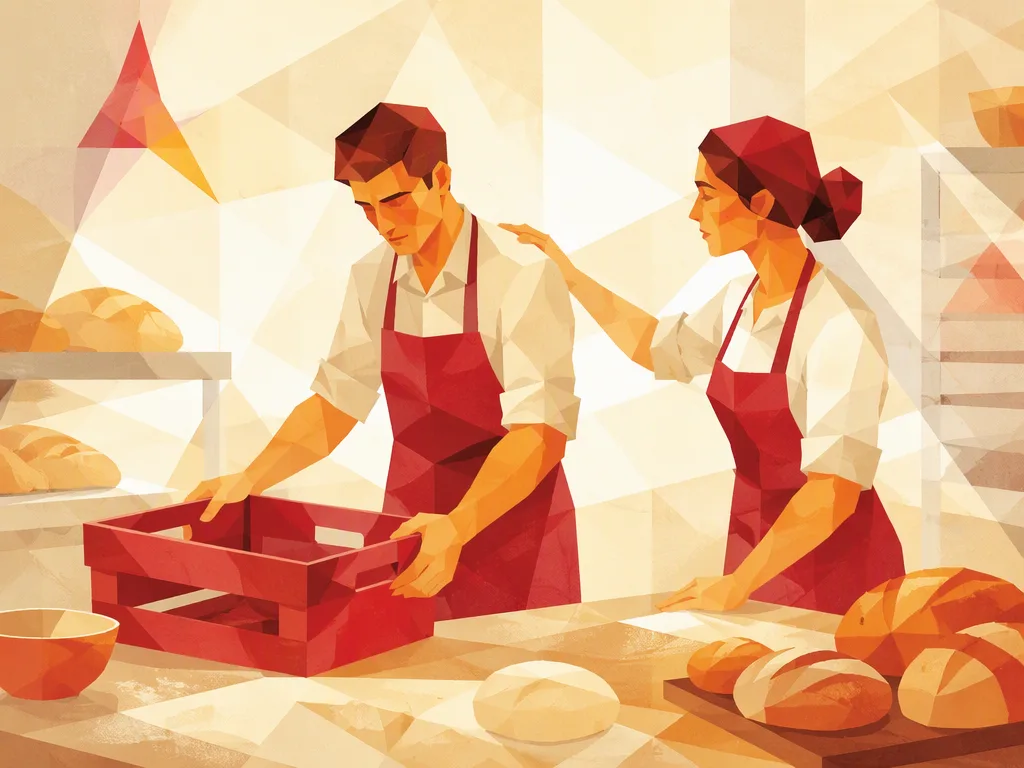
Everyday idioms describe sustained effort, recovery after setbacks, and knowing when to stop. A baker and a friend face a slow start, oven trouble, and a delivery plan that fails. The expressions move from encouragement and renewed effort to recognizing when stopping is the sensible choice.

Voca cards

1.
hang in there
aguantar, no rendirse

Maya asked me to hang in there during our bakery's first quiet month.
Maya me pidió que no me rindiera durante el primer mes de poca actividad de nuestra panadería.
'hang in there' is informal encouragement, usually offered while a difficult situation is still happening.
2.
keep your chin up
no desanimarse, mantener el ánimo

Maya said, "Just keep your chin up; our bread is good."
Maya me dijo: «No te desanimes; nuestro pan es bueno».
'keep your chin up' encourages someone to remain hopeful, not necessarily to continue a particular plan.
3.
keep at it
seguir intentándolo, perseverar

I had to keep at it until my bread came out right.
Tuve que seguir intentándolo hasta que el pan me salió bien.
In 'keep at it', 'it' refers to work or practice already mentioned.
4.
give it another shot
volver a intentarlo, hacer otro intento

After burning three cakes, I decided to give it another shot.
Después de quemar tres pasteles, decidí volver a intentarlo.
'give it another shot' is informal. It suggests trying again after an unsuccessful attempt.
5.
see it through
seguir hasta el final, llevar algo hasta el final

I promised Maya I'd see it through until our bakery could pay us.
Le prometí a Maya que seguiría adelante hasta que nuestra panadería pudiera pagarnos un sueldo.
'see it through' suggests commitment to the end, not just trying for a while.
6.
put in the hours
dedicarle horas, trabajar las horas necesarias

I had to put in the hours before our bakery started making money.
Tuve que dedicarle muchas horas de trabajo a nuestra panadería antes de que empezara a dar ganancias
'put in the hours' emphasizes time spent working, not how successful the work is.
7.
go the extra mile
hacer un esfuerzo extra, hacer más de lo esperado

I tried to go the extra mile by bringing bread to a customer's hospital room.
Traté de hacer un esfuerzo extra llevando pan hasta la habitación de un cliente en el hospital.
'go the extra mile' often praises effort beyond what is expected, especially for another person.
8.
get back on track
retomar el rumbo, volver a encaminarse

Once our oven was fixed, Maya helped me get back on track with orders.
Una vez que arreglaron nuestro horno, Maya me ayudó a retomar el ritmo con los pedidos.
9.
take something in stride
tomarse algo con calma, tomarse algo con tranquilidad

When the oven broke again, I tried to take the bad news in stride.
Cuando el horno volvió a descomponerse, traté de tomarme la mala noticia con calma.
'take something in stride' stresses staying calm, not pretending that a problem does not exist.
10.
get back in the saddle
volver a la actividad, retomar el trabajo

After resting, I was ready to get back in the saddle and start baking.
Después de descansar, ya me sentía con fuerzas para volver al trabajo y empezar a hornear.
'get back in the saddle' often follows an injury, failure, or break from an activity.
11.
dig deep
sacar fuerzas de donde no las hay, darlo todo

I had to dig deep to finish baking after almost no sleep.
Tuve que sacar fuerzas de donde no las había para terminar de hornear después de dormir tan poco.
12.
keep plugging away
seguir esforzándose, seguir trabajando sin rendirse

Maya and I decided to keep plugging away, even when we sold only two cakes.
Maya y yo decidimos seguir esforzándonos, incluso cuando solo vendíamos dos pasteles.
'keep plugging away' is informal and suggests steady work even when progress is slow.
13.
stay the course
mantener el rumbo, seguir adelante

Despite another quiet month, Maya convinced me to stay the course with our bakery.
A pesar de otro mes de poca actividad, Maya me convenció de seguir adelante con nuestra panadería.
'stay the course' emphasizes continuing with the same plan rather than changing direction.
14.
weather the storm
capear el temporal, superar la mala racha

Maya thought our bakery could weather the storm if we kept our regular customers.
Maya creía que nuestra panadería podía superar la mala racha si conservábamos a nuestros clientes ha
'weather the storm' presents a difficult period as temporary. It can describe people or businesses.
15.
pull out all the stops
echar la casa por la ventana, no escatimar esfuerzos

For our bakery's first birthday, I wanted to pull out all the stops.
Para el primer aniversario de nuestra panadería, quería echar la casa por la ventana.
The 'stops' in 'pull out all the stops' are organ controls; pulling them out allows a fuller sound.
16.
leave no stone unturned
agotar todas las posibilidades, no dejar nada sin intentar

I promised Maya I'd leave no stone unturned in our search for cheaper flour.
Le prometí a Maya que agotaría todas las posibilidades para encontrar harina más barata.
'leave no stone unturned' is especially common when describing a thorough search for answers or solutions.
17.
keep one's head above water
mantenerse a flote, salir adelante

I started delivering bread to keep my head above water when shop sales fell.
Empecé a repartir pan para mantenerme a flote cuando bajaron las ventas del local.
'keep one's head above water' suggests barely managing, especially with money or a heavy workload.
18.
run out of steam
quedarse sin fuerzas, quedarse sin energía

After weeks of early deliveries, I started to run out of steam.
Después de semanas de hacer entregas desde muy temprano, empecé a quedarme sin fuerzas.
'run out of steam' suggests that energy or enthusiasm has gradually faded, rather than suddenly disappeared.
19.
hit a brick wall
toparse con un muro, llegar a un callejón sin salida

Maya and I hit a brick wall when delivery costs doubled.
Maya y yo nos topamos con un muro cuando se duplicaron los costos de las entregas.
'hit a brick wall' suggests being unable to make progress, rather than simply moving slowly.
20.
fight a losing battle
librar una batalla perdida

I didn't want to fight a losing battle against delivery companies with much lower prices.
No quería librar una batalla perdida contra empresas de reparto con precios mucho más bajos.
'fight a losing battle' suggests that effort is unlikely to succeed, not merely that success is difficult.
21.
cut one's losses
retirarse a tiempo para no perder más, limitar las pérdidas

Maya wanted to cut our losses before delivery bills used up our savings.
Maya quería que dejáramos de hacer entregas para no seguir perdiendo dinero antes de que los gastos
'cut one's losses' presents stopping as a practical choice to prevent further loss, not a personal failure.
22.
know when to walk away
saber cuándo retirarse, saber cuándo dejarlo

I finally understood that good owners know when to walk away from failing plans.
Por fin entendí que los buenos dueños de negocios saben cuándo abandonar los planes que no funcionan
23.
throw in the towel
tirar la toalla, darse por vencido

I agreed to throw in the towel on deliveries and focus on our bakery.
Acepté tirar la toalla con las entregas y concentrarme en nuestra panadería.
'throw in the towel' comes from boxing, where a fighter's team can signal defeat by throwing a towel into the ring.

Welcome back!

Please sign in to continue

Forgot password?
Don't have an account? Sign up