


Voca सेट की मदद से अपनी शब्दावली बढ़ाएँ
सभी CEFR स्तरों पर Voca सेट खोजें, इंटरैक्टिव ऑडियो के साथ अभ्यास करें, या AI की मदद से कुछ ही सेकंड में कस्टम सेट बनाएँ

सप्ताहांत की योजनाओं के बारे में बातचीत
 Vocafy

सड़क पर रास्ता पूछना
Vocafy
कपड़े पहनकर देखना
Vocafy

रेस्तराँ में खाना खाना
Vocafy
होटल के कमरे में चेक-इन करना
Vocafy
चुनिंदा Voca सेट
सप्ताहांत की योजनाओं के बारे में बातचीत
आप सप्ताहांत की योजनाओं से जुड़े रोज़मर्रा के शब्दों और छोटे वाक्यांशों से परिचित होते हैं। एक दोस्त Mia और Ben के साथ फ़िल्मों, रात के खाने और साथ समय बिताने के बारे में बात करता है। जब दोस्त तय करते हैं कि क्या करना है, तो उदाहरणों में जानी-पहचानी गतिविधियों का बार-बार इस्तेमाल किया जाता है।
Vocafy
सड़क पर रास्ता पूछना
बुनियादी सवाल और रास्ते के निर्देश आपको पैदल पुस्तकालय तक पहुँचने में मदद करते हैं। आप एक महिला से मदद माँगते हैं, उसके बताए रास्ते पर चलते हैं और प्रवेश द्वार ढूँढ़ लेते हैं। छोटे सवाल और रास्ते के निर्देश उन जगहों से जुड़े शब्दों के साथ दिए गए हैं, जिनके पास से आप गुज़रते हैं।
Vocafy
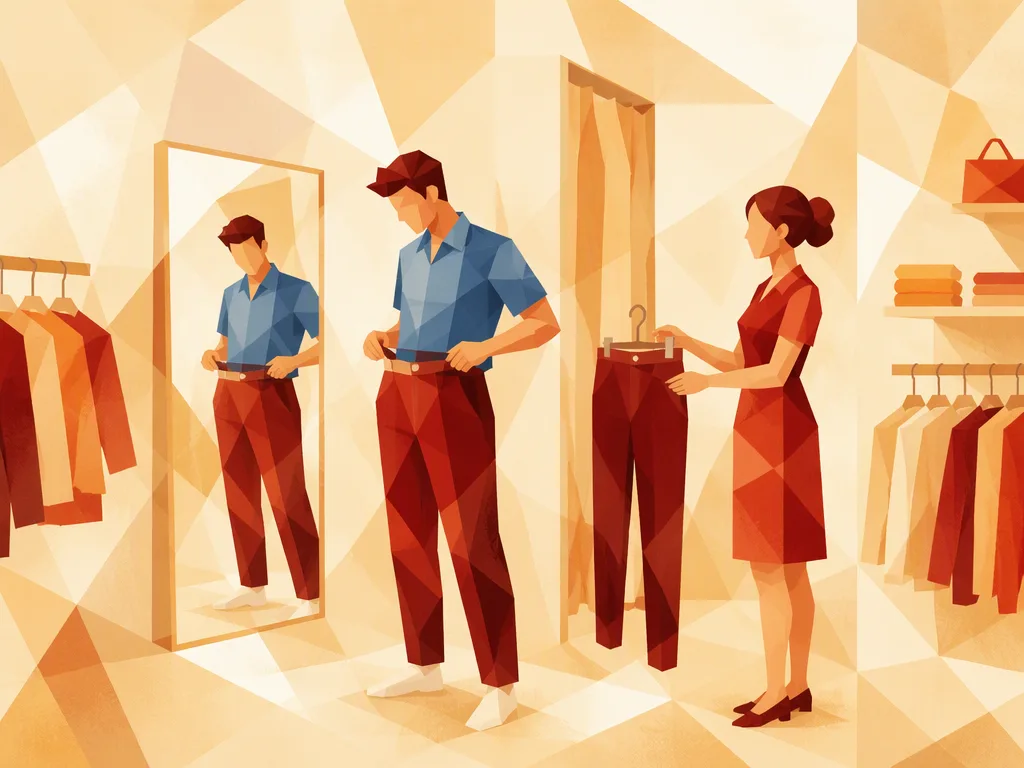
कपड़े पहनकर देखना
खरीदारी की एक कहानी में कपड़े पहनकर देखने से जुड़े आम शब्द और छोटे वाक्यांश आते हैं। एक ग्राहक शर्ट और पैंट चुनता है, उन्हें पहनकर देखता है और अलग-अलग साइज़ माँगता है। साइज़ से जुड़े शब्द और छोटे वाक्यांश बताते हैं कि कौन-से कपड़े पहनने में ठीक नहीं लगते और कौन-से अच्छी तरह फिट होते हैं।
Vocafy
रेस्तराँ में खाना खाना
आप रेस्तराँ में इस्तेमाल होने वाले आम शब्दों और विनम्र अनुरोधों से परिचित होते हैं। दो दोस्त एक मेज़ ढूँढ़ते हैं, पेय चुनते हैं और खाने का ऑर्डर देते हैं। उदाहरणों में जाने-पहचाने शब्दों का छोटे सवालों और अनुरोधों में बार-बार इस्तेमाल किया जाता है।
Vocafy
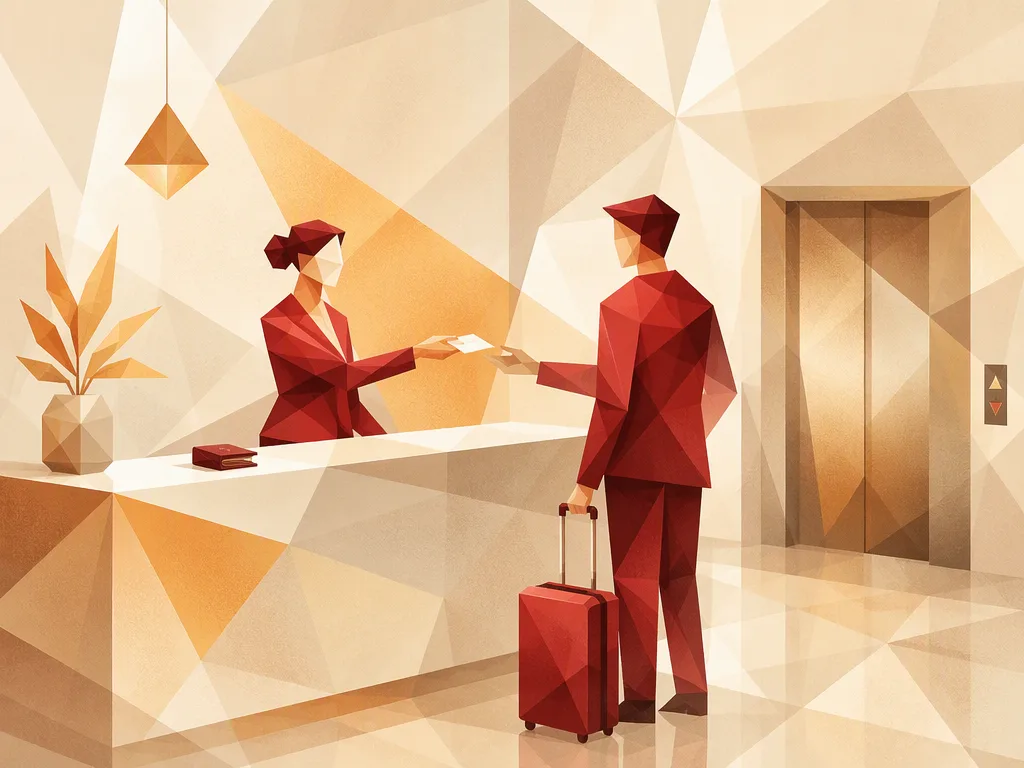
होटल के कमरे में चेक-इन करना
होटल में चेक-इन की प्रक्रिया में नाम, कमरे का विवरण और कमरे की चाबी शामिल होते हैं। मेहमान आरक्षण की जानकारी देता है और कमरे तथा नाश्ते के बारे में पूछता है। छोटे सवालों में room और key जैसे शब्द बार-बार इस्तेमाल होते हैं।
Vocafy

दोस्त के साथ कॉफ़ी पीना
किसी कैफ़े में दोस्त से मिलें और पीने के लिए कुछ ऑर्डर करें। मेज़ ढूँढ़ने से लेकर कॉफ़ी और चाय पीने तक, इस मुलाक़ात के हर चरण को देखें। छोटे-छोटे अनुरोधों में पेय चुनने और भुगतान करने से जुड़े परिचित शब्द दोहराए जाते हैं।
Vocafy

उड़ान के लिए चेक-इन करना
यह संग्रह उड़ान के लिए चेक-इन करने और बैग जमा करने से संबंधित है। कार्ड एक यात्री के चेक-इन काउंटर से बैग जमा करने की जगह तक के सफ़र को दर्शाते हैं। छोटे अनुरोध और बार-बार आने वाले शब्द हर चरण को आपस में जोड़ते हैं।
Vocafy

किसी नए व्यक्ति से मिलना
इस संग्रह में किसी नए व्यक्ति से मिलते समय किए जाने वाले अभिवादन और सामान्य व्यक्तिगत जानकारी शामिल है।दो लोग एक-दूसरे का अभिवादन करते हैं, घर, परिवार, काम और रुचियों के बारे में बात करते हैं और फिर विदा लेते हैं। छोटे सवालों और जवाबों में परिचित शब्द दोहराए जाते हैं।
Vocafy
अभी ट्रेंड में









शुरुआती लोगों के लिए बेहतरीन

Calendar Words for Plans
German day names, month names, and basic calendar words appear in everyday plans. One person talks to a friend about work, free time, and family visits. The examples use am with days of the week and im with months.
Vocafy

Free Time That Feels Good
Everyday German for free time includes activities, likes and dislikes. One speaker talks about music, books, films and time at home. Familiar activities return with gern, nicht gern and lieber to show different preferences.
Vocafy

When You Don't Understand
Short German phrases ask for repetition, slower speech and the German word for something. The speaker talks to staff at a course office and to a classmate. Paired requests show polite Sie and familiar du.
Vocafy

Resting After a Busy Day
Everyday German words and phrases describe feeling tired, going to bed and sleeping well or badly. The cards follow a quiet evening at home and a conversation about the night. Short personal sentences reuse words for the bed, light and sleep.
Vocafy
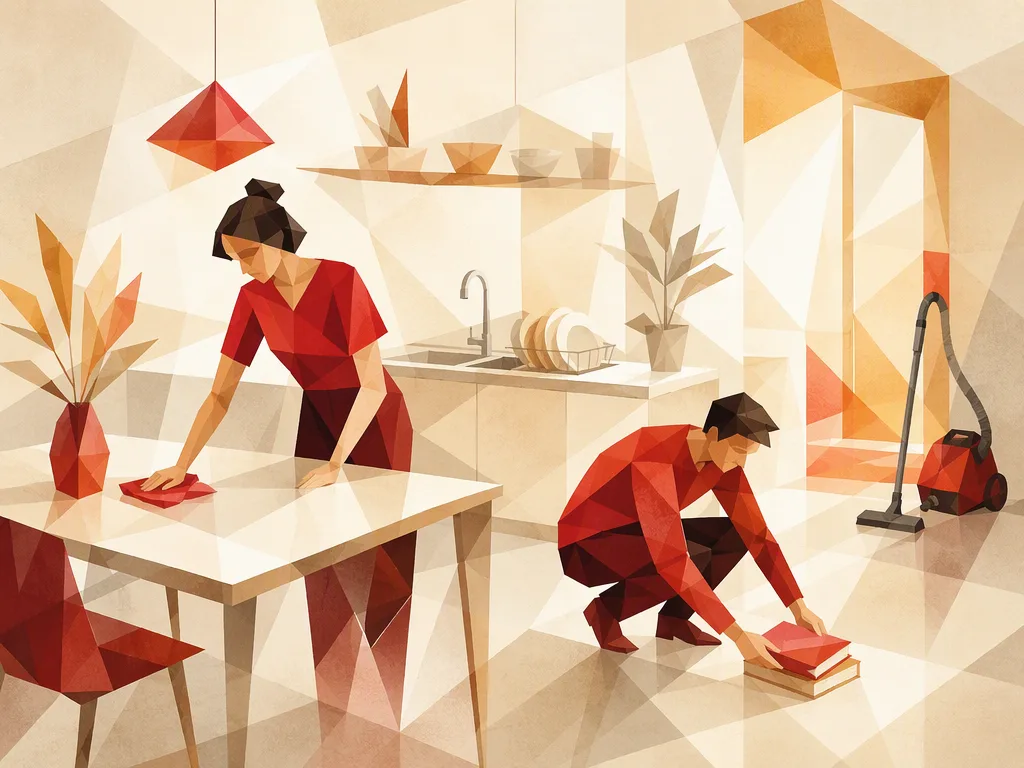
Small Jobs Around the Home
Everyday German words describe small jobs that keep a home clean and tidy. Two people at home talk about rooms, surfaces and jobs they still need to do. Familiar places return in short requests and remarks about what is clean, dirty, wet or dry.
Vocafy

Reading the Clock
Everyday German phrases tell the time in full hours, half hours and quarter hours. The examples follow one speaker making plans with a friend. Repeated sentence patterns connect clock times with visits, calls and meals.
Vocafy
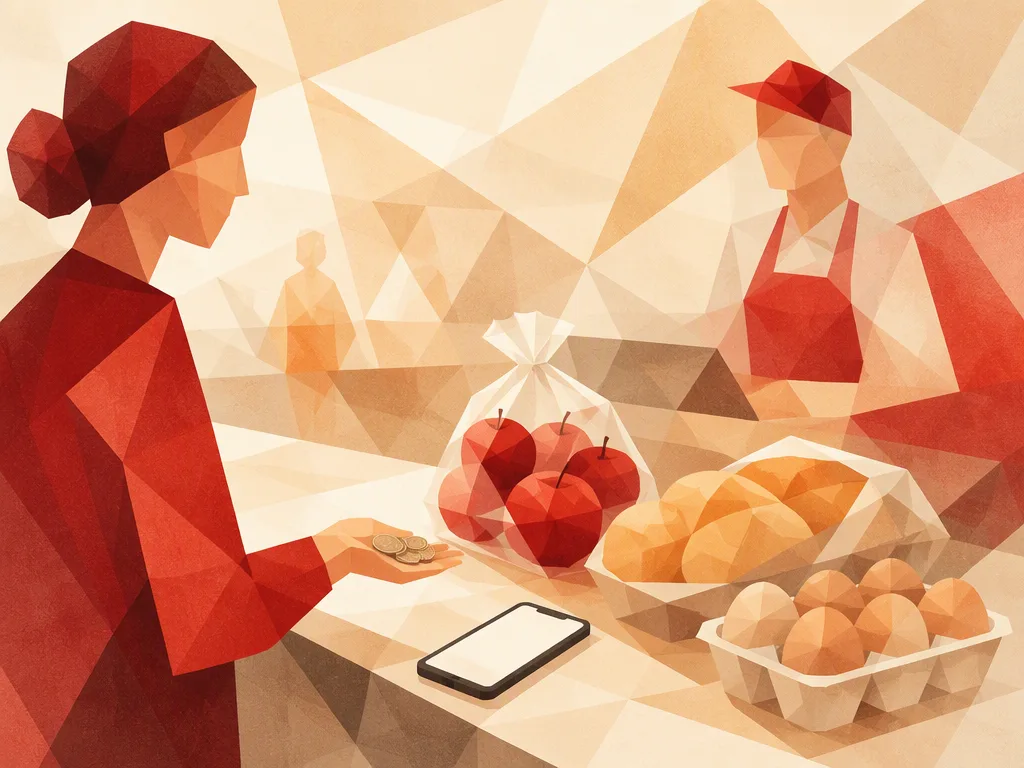
Prices and Quantities
Meet German number words for amounts, simple prices and contact details. The examples follow one shopper buying food and checking phone numbers. Repeated phrases connect quantities with prices, without naming a currency.
Vocafy

Going Out in Any Weather
You meet everyday German words for today's weather, clothing and choices about going outside.Two friends discuss the weather, choose warm clothes and decide whether to wait. Short questions and replies reuse words for rain, warmth and home.
Vocafy
हाल ही में जोड़े गए Voca सेट

Everyday Results With machen
Everyday combinations with machen describe activities, results, mistakes and worries. Follow one learner’s plans with a friend, from homework and meals to breaks and visits. Each phrase keeps machen and adds words that give it a specific meaning.
Vocafy

Reporting a Child's Absence
Parents report a child's absence and ask about the return to school. The cards follow a polite call or message to school staff, using Sie. Short phrases move from staying at home to return dates and written absence notes.
Vocafy

Quiet Hours and Visitors at Home
Common house rules and short phrases cover quiet hours and visitors. Two housemates discuss music, evening visits and staying overnight. The examples reuse words for guests and quiet in requests and permission questions.
Vocafy

Buying Something on a Website
Everyday German words and phrases describe buying something on a website. One shopper chooses a jacket, compares prices, pays and follows its delivery. Later examples reuse earlier shopping words.
Vocafy
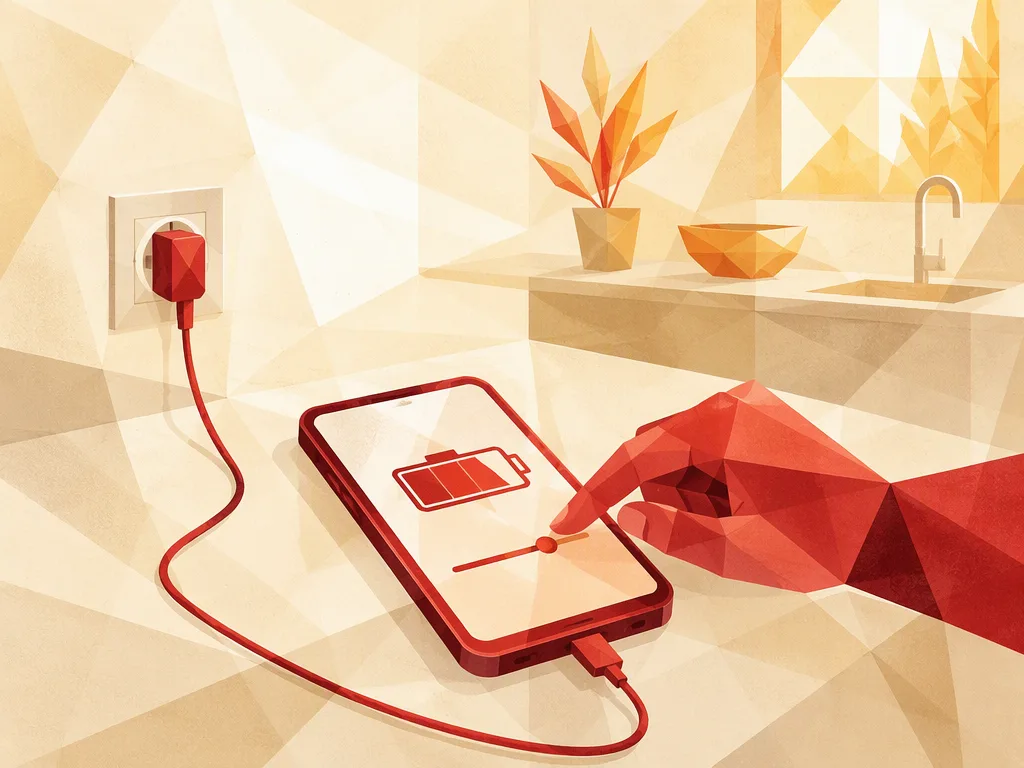
Getting Your Phone Ready to Use
You meet everyday German words and phrases for charging a phone and changing basic settings.You ask a friend for help with the battery, screen and sound. Short questions and requests reuse the same device words.
Vocafy

Ready for a Few Days Away
Meet everyday German words and phrases for packing for a few days away. Follow one traveler choosing a bag, deciding how much to take, and checking that nothing important is missing. Short examples reuse words for bags, clothes, and packing.
Vocafy

Making Your Money Last
You meet everyday German words and phrases for spending less and making money last. The examples follow one person's food shopping and shared monthly budget. Simple cost words return in phrases about spending limits, small savings and money left over.
Vocafy

More Movement in an Ordinary Day
Everyday German words and phrases describe small ways to move more. The cards follow one person's trips to work, short breaks and simple exercises. Familiar words return in phrases about walking, cycling and regular practice.
Vocafy
क्या आप अपना Voca सेट बनाने के लिए तैयार हैं?
AI की मदद से कुछ ही सेकंड में पूरा Voca सेट बनाएँ, अपनी पढ़ाई से शब्द इम्पोर्ट करें, या बिल्कुल शुरुआत से अपने अध्ययन सेट बनाएँ।