


Voca setleriyle kelime dağarcığınızı geliştirin
Tüm CEFR düzeylerindeki Voca setlerini keşfedin, etkileşimli seslerle pratik yapın veya yapay zekâyla saniyeler içinde size özel setler oluşturun

Hafta Sonu Planları Hakkında Konuşmak
 Vocafy

Sokakta Yol Tarifi Sorma
Vocafy

Kıyafet Deneme
Vocafy

Restoranda Yemek Yemek
Vocafy
Otel Odasına Giriş Yapma
Vocafy
Öne çıkan Voca setleri
Hafta Sonu Planları Hakkında Konuşmak
Hafta sonu planları için günlük kelimeler ve kısa ifadelerle tanışırsınız. Bir arkadaş, Mia ve Ben ile filmler, akşam yemeği ve birlikte vakit geçirmek hakkında konuşur. Arkadaşlar ne yapacaklarına karar verirken örneklerde tanıdık etkinlikler tekrar kullanılır.
Vocafy
Sokakta Yol Tarifi Sorma
Basit sorular ve sokakta verilen yol tarifleri, kütüphaneye yürüyerek gitmenize yardımcı olur. Bir kadından yardım ister, onun tarifini takip eder ve girişi bulursunuz. Kısa sorular ve yol tarifleri, yanından geçtiğiniz yerlerle ilgili kelimelerle birlikte sunulur.
Vocafy
Kıyafet Deneme
Kıyafet denerken kullanılan yaygın kelimeler ve kısa ifadeler bir alışveriş hikâyesinde yer alıyor. Bir müşteri bir gömlek ve pantolon seçiyor, bunları deniyor ve farklı bedenler istiyor. Bedenle ilgili kelimeler ve kısa ifadeler, hangi kıyafetlerin rahatsız hissettirdiğini ve hangilerinin iyi oturduğunu gösteriyor.
Vocafy
Restoranda Yemek Yemek
Restoranlarda sık kullanılan kelimeler ve kibar rica ifadeleriyle tanışırsınız. İki arkadaş bir masa bulur, içeceklerini seçer ve yemek sipariş eder. Örneklerde, tanıdık kelimeler kısa sorularda ve ricalarda tekrar kullanılır.
Vocafy
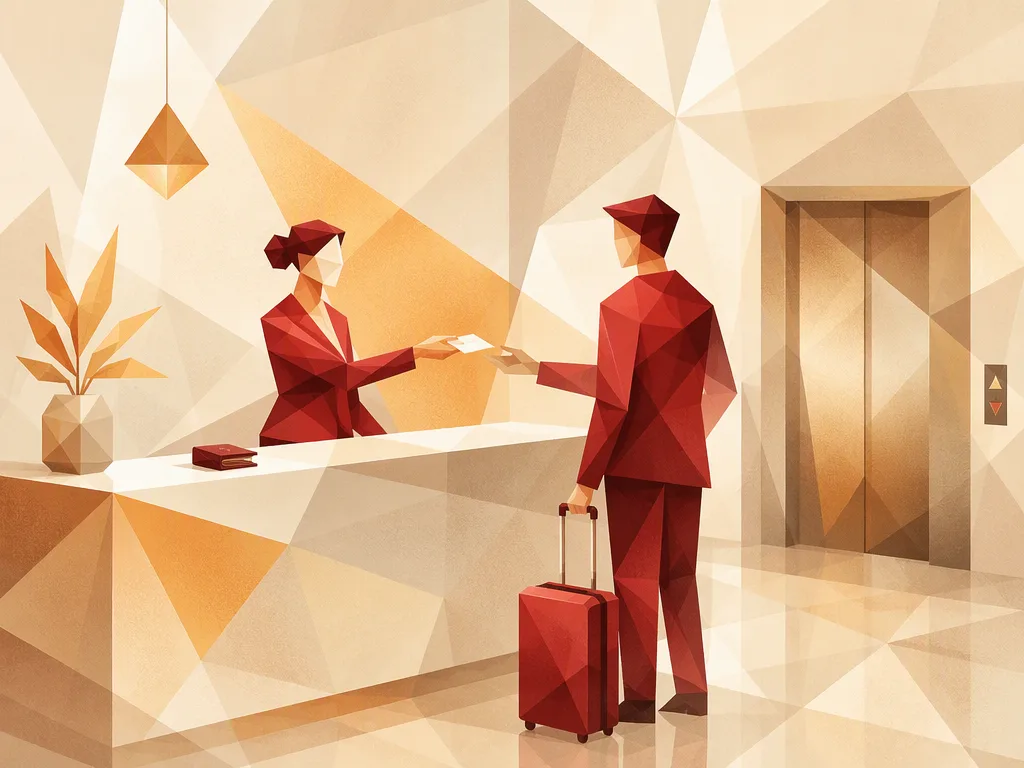
Otel Odasına Giriş Yapma
Otele giriş işlemi isimleri, oda bilgilerini ve bir oda anahtarını içerir. Misafir, rezervasyon bilgilerini verir ve oda ile kahvaltı hakkında sorular sorar. Kısa sorularda room ve key gibi kelimeler tekrar kullanılır.
Vocafy

Bir Arkadaşla Kahve İçmek
Bir kafede bir arkadaşınızla buluşun ve bir içecek sipariş edin. Masa bulmaktan kahve ve çay içmeye kadar bu ziyareti takip edin. Kısa isteklerde, içecek seçenekleri ve ödemeyle ilgili tanıdık kelimeler tekrarlanır.
Vocafy

Uçuş İçin Check-in Yapma
Bu set, uçuş için check-in yapmayı ve bagaj teslim etmeyi kapsar. Kartlar, bir yolcuyu check-in kontuarından bagaj teslim noktasına kadar takip eder. Kısa talepler ve tekrarlanan kelimeler her adımı birbirine bağlar.
Vocafy

Yeni Biriyle Tanışma
Bu set, yeni biriyle tanışırken kullanılan selamlaşma ifadelerini ve temel kişisel bilgileri kapsar.İki kişi selamlaşır, yaşadıkları yer, aile, iş ve ilgi alanları hakkında konuşur ve ardından vedalaşır. Kısa soru ve cevaplarda tanıdık kelimeler tekrar edilir.
Vocafy
Şu anda popüler










Yeni başlayanlar için ideal

My Phone in Everyday Use
Talk about your phone in everyday situations in France: calling someone, sending messages, getting online and dealing with a dead battery or a broken phone.Everyday words: le portable, le message, le réseau, la batterie, le chargeurKey verbs: appeler, répondre, envoyer, charger, marcherNotes on French usage: regional words for mobile phones and natural expressions like avoir du réseau and je n'ai plus de batterie.
Vocafy

How I Spend My Free Time
Talk about what you enjoy doing outside of work or study, from quiet evenings at home to staying active and going out with friends.Everyday activities: common words for music, reading, cooking, sports and relaxing.Likes and preferences: natural ways to say what you like, love or prefer doing.Your weekly routine: pay attention to how frequency words like souvent and time phrases like le soir or le week-end connect hobbies to real life.As you listen, picture your own week and try swapping the activities in the examples for the things you actually do.
Vocafy

Stories Behind My Photos
Talk about the photos on your phone or in an album. In this set, you meet everyday words to point out where people are in the frame, say what they are doing and wearing, and share simple memories.Notice how French uses sur la photo (on the photo) rather than 'in'.Learn position words in pairs like à gauche and à droite, or devant and derrière.Practice by opening your own camera roll and describing two or three pictures out loud.
Vocafy

Quiet Study Between Classes
Talk about reading, writing and studying on your own at home or in a library.Everyday objects: books, notebooks, pens and dictionaries.Core study actions: reading texts, looking up words, taking notes and doing exercises.Natural flow: follow a quiet study session from opening a book to reviewing before the next class.
Vocafy

Reading and Saying Clock Times
Ask and tell the time in French, talk about daily schedules, and understand shop opening hours.Telling the time: expressions with Il est..., quarters, halves, noon, and midnight.Parts of the day: how to specify morning, afternoon, and evening, plus the 24-hour clock used in France for schedules.Opening hours: essential words for when places open and close.Notice how French puts the hour first and adds minutes, et quart, or et demie right after heures.
Vocafy

My Calendar: Days and Months
The seven days of the week, the twelve months of the year, and six everyday words for talking about your schedule.Notice the difference between le lundi (every Monday) and lundi (this Monday).Learn the months in natural phrases with en (en janvier, en avril) so you hear how the words link together.
Vocafy

What the Weather Means for My Day
Talk about the weather in French and connect it to everyday choices: what to wear, what to take with you, and whether to go out or stay home.Weather chunks: Hear how French speakers use Il fait... and Il y a... to describe the sky and temperature.Clothes and plans: Link the weather directly to everyday items like le manteau, le parapluie, and choices like sortir or rester.Listening tip: Pay attention to the difference between Il fait froid (it is cold outside) and J'ai froid (I feel cold).
Vocafy

My Usual Working Day
Talk about your working day and ask coworkers about theirs, from arriving in the morning to going home in the evening.Everyday work words like le bureau, le collègue and la réunionKey verbs for your routine: commencer, déjeuner, finir, rentrerNatural sentences with tu, just as coworkers speak in France
Vocafy
Yeni eklenen Voca setleri

Images for Effort and Progress
French uses vivid, everyday images to talk about rolling up your sleeves, hitting a wall and finally finishing a tough job. This set follows the natural arc of a long effort in study, work or a home project:Trying hard: idioms for pitching in, racking your brains and working twice as fastGetting nowhere: expressions for going in circles, stalling and struggling with a problemMaking progress: phrases for passing a milestone, seeing the end and having your efforts pay offPicture the literal image behind each phrase—from baking dough to neutral gear in a car—to help lock the expression in your memory.
Vocafy

When a Plan Comes With Conditions
Plans rarely happen without a few conditions or backup options. This set gives you ready-made expressions to attach conditions, exceptions and safeguards to everyday arrangements with friends, coworkers and staff.Use whole chunks with à condition que, pour que and avant que without stopping to build subjunctive verb forms from scratch.Add backup plans smoothly with au cas où and the conditional.Drop in quick exceptions like sauf imprévu and sauf s'il pleut.
Vocafy

Hopes When Nothing Is Certain
Plans with friends do not always go smoothly. This set covers natural ways to express anticipation, hope, realism and disappointment when outcomes are uncertain.Subjunctive chunks: Ready-to-use clauses with pourvu que, avoir hâte que and c'est dommage que that you can use as whole patterns.Figurative idioms: Everyday expressions like croiser les doigts, toucher du bois and tomber à l'eau.Managing expectations: Conversational phrases for staying realistic or postponing a cancelled plan.
Vocafy

How Things Change Over Time
Two old friends catch up over coffee and look back on how their lives, work and neighbourhood have evolved. In this set, you meet expressions for:Reconnecting and looking back: Ça fait un bail !, à l'époque, avec le reculSudden shifts: du jour au lendemain, changer du tout au toutGradual change over time: peu à peu, de fil en aiguille, au fil du temps, à la longueThe cards follow a single conversation from the first hello to a final reflection, showing how speakers contrast the way things started with how they turned out.
Vocafy

When Mild Words Hide a Stronger Judgment
In French, mild or negative expressions often hide a much stronger opinion. Saying something is not bad at all is a warm compliment, while saying it is not ideal or not terrible usually means it is quite bad.Hidden positives: expressions that use negative words to approve of a result or situation.Polite disappointment: everyday ways to say that a price, meal, or service falls short.Tough situations: understated phrases for heavy workloads, tight deadlines, and poor results.Listen to the context in each example to hear how the speaker really feels behind the mild words.
Vocafy
Restoring Trust With an Upset Customer
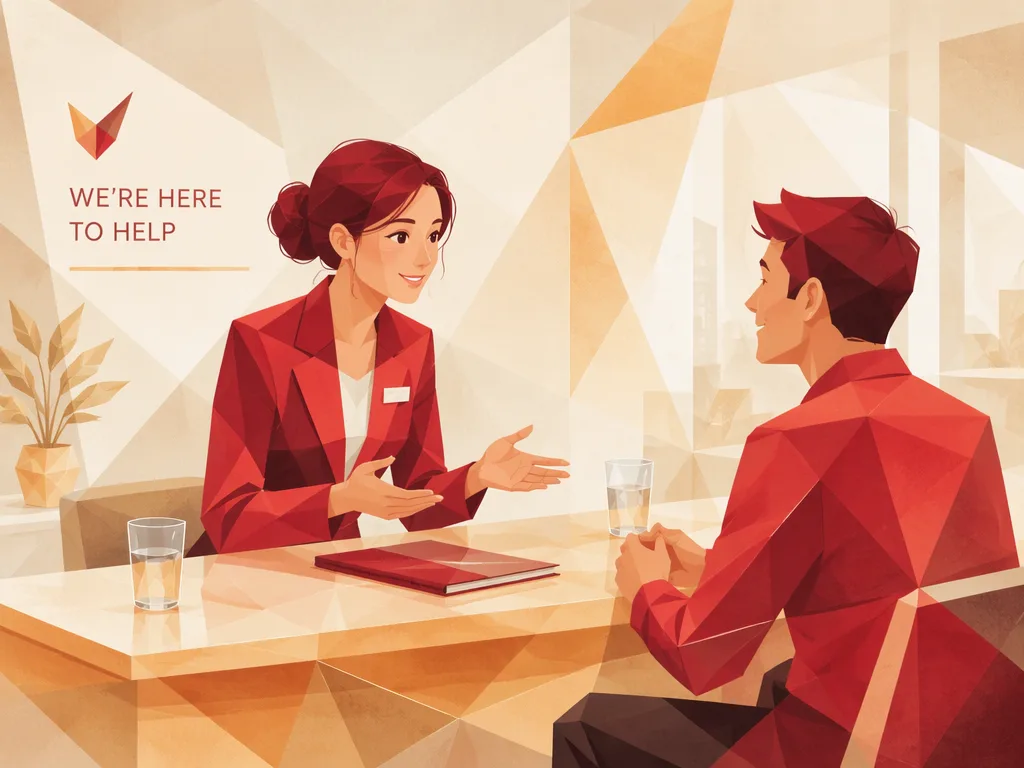
Handle a tense conversation with an upset customer in professional French using vous. The phrases follow the natural flow of a service interaction:Acknowledging frustration and showing empathyReassuring the customer and calmly checking the factsOffering practical solutions and explaining the next steps
Vocafy

Getting a Turn and Giving It Back
Step smoothly into a French team meeting or class discussion without sounding abrupt. These phrases follow a turn from start to finish:Finding an opening: asking to jump in, building on a point, or apologizing for cutting someone off.Holding the floor: asking for a few more seconds to finish a thought.Giving the turn back: closing a quick aside and prompting the previous speaker to continue.Notice how the examples switch between tu with first-name peers and vous with a supervisor, an unfamiliar participant, or the whole room.
Vocafy

Writing a Polite First Work Email
Write a polite first email in French to an employer, a manager, or a course administrator using vous.Opening and purpose: introduce why you are writing with standard formulas such as Je me permets de vous contacter.Polite requests: ask for information, documents, or a meeting using the conditional (Pourriez-vous, Auriez-vous l'amabilité de).Attachments and closings: point to attached files and end your message with the right level of formality.Notice how French emails rely on fixed expressions and conditional verbs to sound courteous without feeling stiff.
Vocafy
Kendi Voca setinizi oluşturmaya hazır mısınız?
Yapay zekâyla saniyeler içinde eksiksiz Voca setleri oluşturun, okuduğunuz metinlerden kelime içe aktarın veya kendi çalışma setlerinizi sıfırdan hazırlayın.