


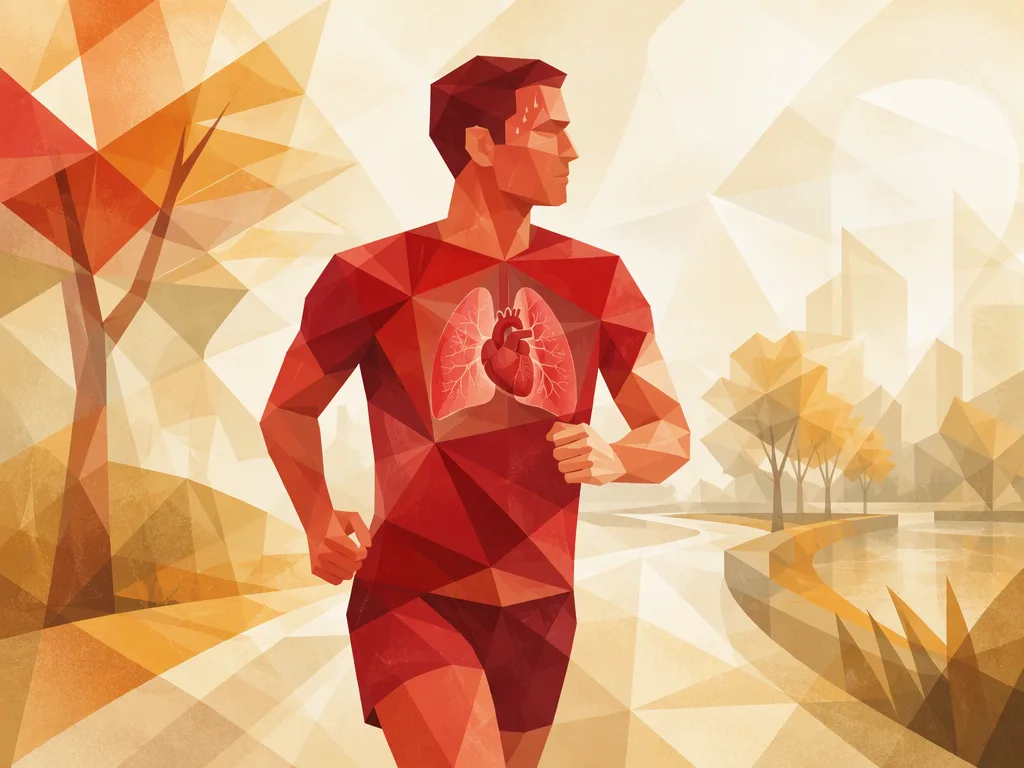
Discover how your body uses air, moves blood, handles food, and keeps you safe.
Preview
Questions with solutions-
1. Vælg det rigtige svar.
What is your heart doing?
You can feel your heart beating even when you sit quietly.
- Moving air into and out of your lungs.
- Pumping blood around your body.
- Breaking food into smaller pieces.
Think about what travels through your blood vessels.
Show solution
- Pumping blood around your body.
Your blood carries oxygen and nutrients to different parts of your body.
-
2. Udfyld det tomme felt.
Air enters your lungs when you breathe in. Your body takes ___ from this air to help release energy from food.
- carbon dioxide
- water vapor
- oxygen
Think about the gas your body's cells need.
Show solution
Air enters your lungs when you breathe in. Your body takes oxygen from this air to help release energy from food.
Oxygen passes from your lungs into your blood, which carries it to your cells.
-
3. Vælg det rigtige svar.
How does saliva help?
As you chew, saliva mixes with your food.
- It makes food wet and starts breaking down some of it.
- It takes nutrients directly from your mouth into your blood.
- It does all the work of digestion before you swallow.
Digestion starts before food reaches your stomach.
Show solution
- It makes food wet and starts breaking down some of it.
Saliva begins breaking down starch, which is found in foods such as bread and rice.
-
4. Vælg det rigtige svar.
Why do we blink regularly?
Your eyelids briefly close many times during the day.
- To let more light enter the eyes.
- To make the eyes focus on distant objects.
- To spread tears over the surface of the eyes.
The surface of your eyes needs to stay moist.
Show solution
- To spread tears over the surface of the eyes.
Tears also help wash away small bits of dust from your eyes.
-
5. Udfyld det tomme felt.
Your kidneys remove waste and extra water from your blood. These leave your body as ___.
- sweat
- urine
- saliva
This liquid is stored in your bladder.
Show solution
Your kidneys remove waste and extra water from your blood. These leave your body as urine.
Your kidneys also help control how much water stays in your body.
-
6. Vælg det rigtige svar.
Where do most nutrients enter the blood?
Digestion breaks food down into useful parts called nutrients. These can then pass into your blood.
- In the stomach.
- In the large intestine.
- In the small intestine.
Most of this work happens after food leaves the stomach.
Show solution
- In the small intestine.
The inside of the small intestine has many folds that help it take in nutrients.
-
7. Vælg det rigtige svar.
How can sleep help you learn?
You practice a new skill, then get a good night's sleep.
- It helps your brain strengthen new memories.
- It stops all brain activity until morning.
- It removes the need to practice the skill again.
Your brain stays active during sleep.
Show solution
- It helps your brain strengthen new memories.
Sleep supports learning, but regular practice is still important.
-
8. Vælg det rigtige svar.
How does sweat drying on your skin help cool you down?
On a warm day, sweat on your skin slowly changes from liquid into gas.
- It prevents your body from losing water.
- It takes heat away from your skin.
- It creates extra heat under your skin.
Changing liquid into gas needs energy.
Show solution
- It takes heat away from your skin.
In humid air, sweat dries more slowly, so this cooling process works less well.
-
9. Vælg det rigtige svar.
Why can shivering help when you are cold?
When you shiver, your muscles make quick, repeated movements.
- Your muscles stop working to save energy.
- Your skin loses extra heat as it shakes.
- Your muscles produce heat as they move.
Muscle activity uses energy.
Show solution
- Your muscles produce heat as they move.
Shivering happens automatically; you do not need to decide to make these movements.
-
10. Vælg det rigtige svar.
What do your pupils usually do?
You walk from a dark room into bright sunlight. Your pupils are the dark openings in the center of your eyes.
- Become smaller to let in less light.
- Become larger to let in more light.
- Stay the same size in every kind of light.
Your eyes do not need as much light in a bright place.
Show solution
- Become smaller to let in less light.
The colored part of each eye controls the size of the pupil.
-
11. Udfyld det tomme felt.
A small cut usually stops bleeding after a while. Your blood forms a ___ that helps close the cut.
- bruise
- clot
- blister
The blood forms a small barrier instead of staying completely liquid.
Show solution
A small cut usually stops bleeding after a while. Your blood forms a clot that helps close the cut.
A clot acts like a temporary plug while your body repairs the damaged area.
-
12. Vælg det rigtige svar.
Why is a faster heartbeat useful here?
You run up a hill. Your leg muscles work harder, and your heart beats faster.
- It stores extra oxygen inside your heart.
- It allows your muscles to work without oxygen.
- It delivers more oxygen to your working muscles.
Working muscles need more energy than resting muscles.
Show solution
- It delivers more oxygen to your working muscles.
Your breathing usually speeds up too, helping supply the extra oxygen your muscles need.
-
13. Vælg det rigtige svar.
Why are muscles with opposite jobs needed?
To bend your elbow, one muscle pulls on your bones. To straighten your elbow, another muscle pulls in the opposite direction.
- Muscles can pull on bones, but they cannot push them.
- Muscles can push bones, but they cannot pull them.
- Bones move only when both muscles are completely relaxed.
A muscle becomes shorter when it works.
Show solution
- Muscles can pull on bones, but they cannot push them.
Many muscles work in pairs, allowing a body part to move in opposite directions.
-
14. Vælg det rigtige svar.
What can these cells do throughout your life?
Bones may feel like hard, unchanging objects, but they contain living cells.
- Repair damaged bones only during childhood.
- Replace old bone material with new bone material.
- Keep all bone material unchanged after you become an adult.
Living bone is not like stone.
Show solution
- Replace old bone material with new bone material.
Regular activity that puts weight on your bones, such as walking, helps keep them strong.
-
15. Vælg det rigtige svar.
Why can you still feel as if you are turning?
You stop spinning, but you still feel dizzy. Fluid inside your inner ears can keep moving for a short time after you stop.
- Your brain stops receiving all information about movement.
- Your eyes take control of the fluid inside your ears.
- The moving fluid makes your ears keep sending movement signals.
Your body can stop moving while part of its balance system keeps moving.
Show solution
- The moving fluid makes your ears keep sending movement signals.
Your brain combines information from your eyes and inner ears to help you keep your balance.