


Utöka ditt ordförråd med Voca-samlingar
Utforska Voca-samlingar på alla GERS-nivåer, öva med interaktivt ljud eller skapa egna Voca-samlingar med AI på några sekunder

Talking About Weekend Plans
 Vocafy

Asking for Street Directions
Vocafy

Trying on Clothes
Vocafy

Eating at a Restaurant
Vocafy

Checking Into a Hotel Room
Vocafy
Utvalda Voca-samlingar
Talking About Weekend Plans
You meet everyday words and short phrases for weekend plans. One friend talks with Mia and Ben about movies, dinner, and time together. The examples reuse familiar activities as the friends choose what to do.
Vocafy
Asking for Street Directions
Basic questions and street directions guide a walk to the library. You ask a woman for help, follow her directions, and find the entrance. Short questions and directions appear alongside words for places you pass.
Vocafy
Trying on Clothes
Common words and short phrases for trying on clothes appear in a shopping story. A shopper chooses a shirt and pants, tries them on, and asks for different sizes. Size words and short phrases show what feels wrong and what fits well.
Vocafy
Eating at a Restaurant
You meet common restaurant words and polite requests. Two friends find a table, choose drinks, and order food. The examples reuse familiar words in short questions and requests.
Vocafy
Checking Into a Hotel Room
Hotel check-in includes names, room details, and a room key. A guest gives reservation details and asks about the room and breakfast. Short questions reuse words like room and key.
Vocafy

Getting Coffee With a Friend
Meet a friend at a café and order a drink. Follow the visit from finding a table to drinking coffee and tea. Short requests repeat familiar words for drink choices and payment.
Vocafy

Checking In for a Flight
This set covers checking in for a flight and dropping off a bag. The cards follow a traveler from the check-in counter to the bag drop. Short requests and repeated words connect each step.
Vocafy

Meeting Someone New
This set covers greetings and simple personal details when you meet someone new.Two people say hello, talk about home, family, work, and interests, and then say goodbye. Short questions and answers repeat familiar words.
Vocafy
Populärt just nu










Perfekt för nybörjare

Learning a Little Outside Class
Everyday words and short questions describe learning Spanish at home. A learner reads, writes, and practices with Ana, a language-exchange partner. Short examples reuse familiar words and include friendly advice with tú.
Vocafy

Dates for Visits and Birthdays
Meet the seven days, twelve months, and a word for the date in Spanish.One person plans visits, appointments, and family birthdays. Day names appear with an article, and months appear in phrases such as en enero.
Vocafy

How I Spend My Free Time
Everyday Spanish words and phrases describe free time, enjoyment, and simple activity choices. Follow one person spending time at home and with a friend, Ana. Familiar activities return in examples about liking, wanting, and having time.
Vocafy

The Story in My Pictures
Everyday Spanish words and short questions describe people in personal photos. A speaker shows a friend photos of Ana and Luis, pointing out who they are and what they are doing. The same names and simple sentence patterns return across the cards.
Vocafy

My Phone for Everyday Tasks
Everyday Spanish words and short phrases cover phone screens, messages, photos, and music. The examples follow one person using their phone and messaging their mom. Short sentences reuse familiar people, objects, and actions.
Vocafy

Rest After a Long Day
These everyday words and short phrases describe tiredness, bedtime routines, and the need for rest. The examples follow one person through a quiet evening at home. Familiar words for rest and sleep return in short personal sentences.
Vocafy

A Little Housework Each Day
Common Spanish words and phrases cover quick cleaning and putting things away at home.You share small chores with your housemate Ana using tú. Short requests reuse familiar household items as you clean and tidy together.
Vocafy

Reading the Clock and Saying When
Short Spanish phrases cover reading the clock and setting an exact meeting time. One speaker checks the time and arranges to see Ana. The examples repeat simple patterns for hours, minutes, and parts of the day.
Vocafy
Nyligen tillagda Voca-samlingar

Formal Wording in Everyday Service Notices
Formal notices and spoken announcements set out requests and restrictions for library customers.The same employee addresses visitors politely about parking, shared spaces, and temporary closures. Short, impersonal formulas state the rules, while the notes explain their force in plain English.
Vocafy

Ease and Difficulty in Figurative Speech
Everyday Spanish idioms describe practical tasks that feel effortless, tricky, or exhausting. Two coworkers use tú while setting up a new office. Figurative comparisons highlight how much thought or effort each job takes.
Vocafy

A Scare That Could Have Ended Worse
Vivid Spanish expressions capture a close call, sudden fear, and relief afterward. You recount a near miss with a car to a friend using tú. The cards move from narrowly avoiding harm to frightened reactions and reassuring outcomes.
Vocafy

Facing Problems With hacer and hacerse
Expressions with hacer and hacerse cover facing problems, speaking up, and accepting unwanted changes. An employee and her coworker Ana deal with an unfair payment and a new work schedule. The verbs appear in common combinations that connect action, clear communication, and acceptance.
Vocafy

Ideas, Tests and Limits With poner
Spanish phrases with poner connect plans, tests, doubts, and limits.One shop worker, Ana, and Luis launch a delivery service and work through its problems. Each phrase keeps its key preposition or fixed words while the verb changes with the speaker and time.
Vocafy
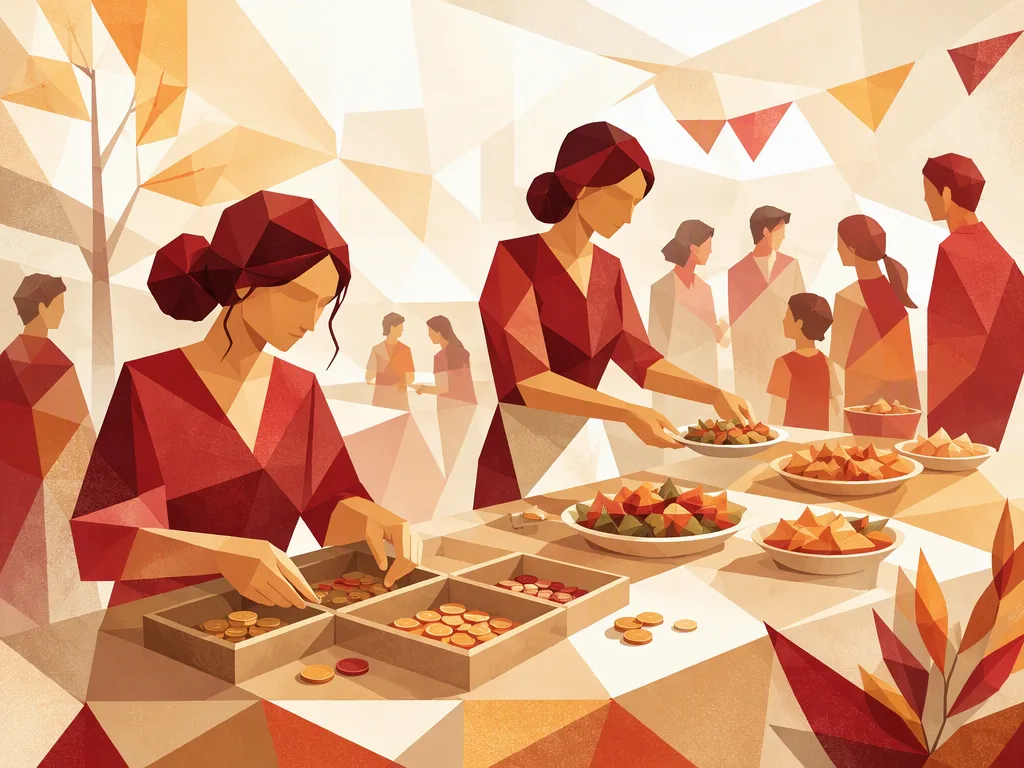
Results and Responsibility With llevar
Responsibility, results, and unexpected reactions come together in phrases with llevar and llevarse. Follow a neighborhood fair organizer and her friend Ana as they manage money, complete a project, and react to the outcome. Task and result phrases use llevar, while personal reactions use the reflexive llevarse.
Vocafy

Finding Meaning and Clues With dar
Combinations with dar and darse express discovery, interpretation, assumptions, and settled conclusions.A coworker traces an error in an office report with Ana and Luis. The cards move from finding clues to interpreting messages and deciding what to accept as true or resolved.
Vocafy

Meals, Invitations and Hospitality
Everyday Spanish expressions cover dinner invitations, welcoming guests, and polite refusals. Follow a visit to a partner's family, from accepting dinner to chatting afterward and returning the invitation. The cards combine hospitality phrases with warm offers and considerate responses.
Vocafy
Redo att skapa din egen Voca-samling?
Skapa kompletta Voca-samlingar med AI på några sekunder, importera ord från texter du läser eller bygg egna övningssamlingar från grunden.