



谈论周末计划
 Vocafy

街头问路
Vocafy

试穿衣服
Vocafy

在餐厅用餐
Vocafy
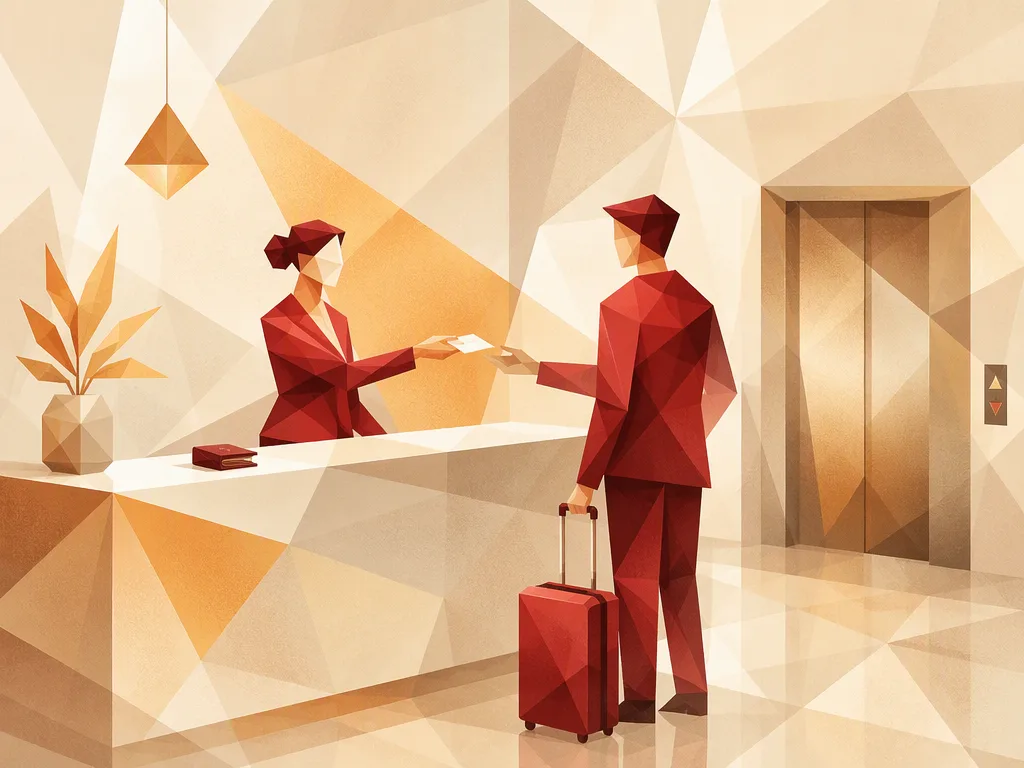
办理酒店入住手续
Vocafy
精选 Voca 词汇集
谈论周末计划
你将接触用于讨论周末计划的日常词汇和简短短语。一位朋友和 Mia、Ben 聊起看电影、吃晚餐和共度时光。例句围绕朋友们选择要做什么展开,反复涉及一些熟悉的活动。
Vocafy
街头问路
基本问句和街头指路用语帮助你步行前往图书馆。你向一位女士求助,按照她的指引前进,并找到入口。简短的问句和指路用语与表示沿途地点的词汇一同呈现。
Vocafy
试穿衣服
一个购物故事中出现了试穿衣服时常用的词语和简短表达。一位顾客挑选了一件衬衫和一条裤子,试穿后询问是否有其他尺码。与尺码有关的词语和简短表达用来描述哪里穿着不合适,以及什么样的衣服穿着合身。
Vocafy
在餐厅用餐
你将接触常见的餐厅用语和礼貌的请求表达。两位朋友找座位、选择饮品并点餐。例句在简短的问句和请求中重复使用熟悉的词汇。
Vocafy
办理酒店入住手续
办理酒店入住手续时,会涉及姓名、客房信息和房间钥匙。客人提供预订信息,并询问有关客房和早餐的问题。简短的问句会重复使用 room 和 key 等词。
Vocafy

和朋友一起喝咖啡
在咖啡馆与朋友见面,点一杯饮品。体验从找座位到喝咖啡和茶的整个过程。简短的请求反复使用与饮品选择和付款有关的熟悉词汇。
Vocafy

办理航班值机
这套卡片涵盖办理航班值机和托运行李的相关内容。卡片跟随一位旅客,从值机柜台一路到行李托运处。简短的请求和反复出现的词语将各个步骤串联起来。
Vocafy

初次见面
这组词汇涵盖初次见面时的问候语和简单的个人信息。两个人互相打招呼,谈论家乡、家庭、工作和兴趣,然后道别。简短的问答会重复使用熟悉的词汇。
Vocafy
当前热门








非常适合初学者
Finding Your Way in Town
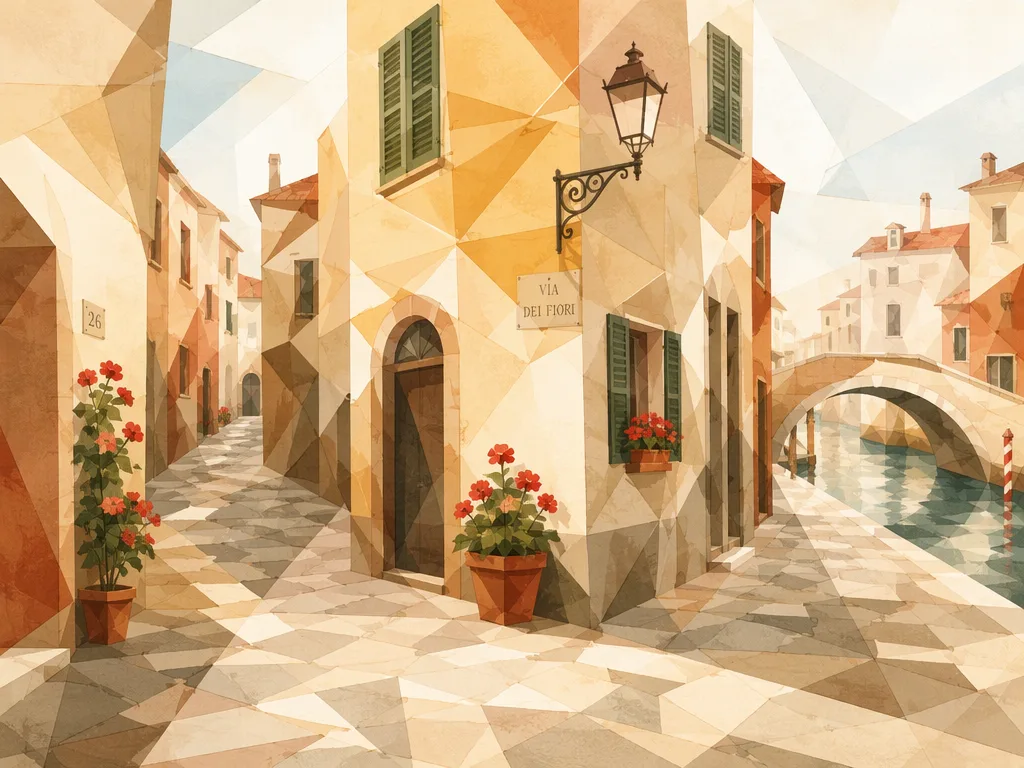
Ask for and understand directions in the street when you are looking for a place in an Italian town.Polite openings: address strangers with the polite Lei form, such as Scusi, and understand polite commands like vada (go) and giri (turn).Everyday places: ask for a square, the station, a pharmacy or a bus stop.Clear directions: catch the common phrases for straight ahead, left, right, nearby and a few minutes on foot.
Vocafy
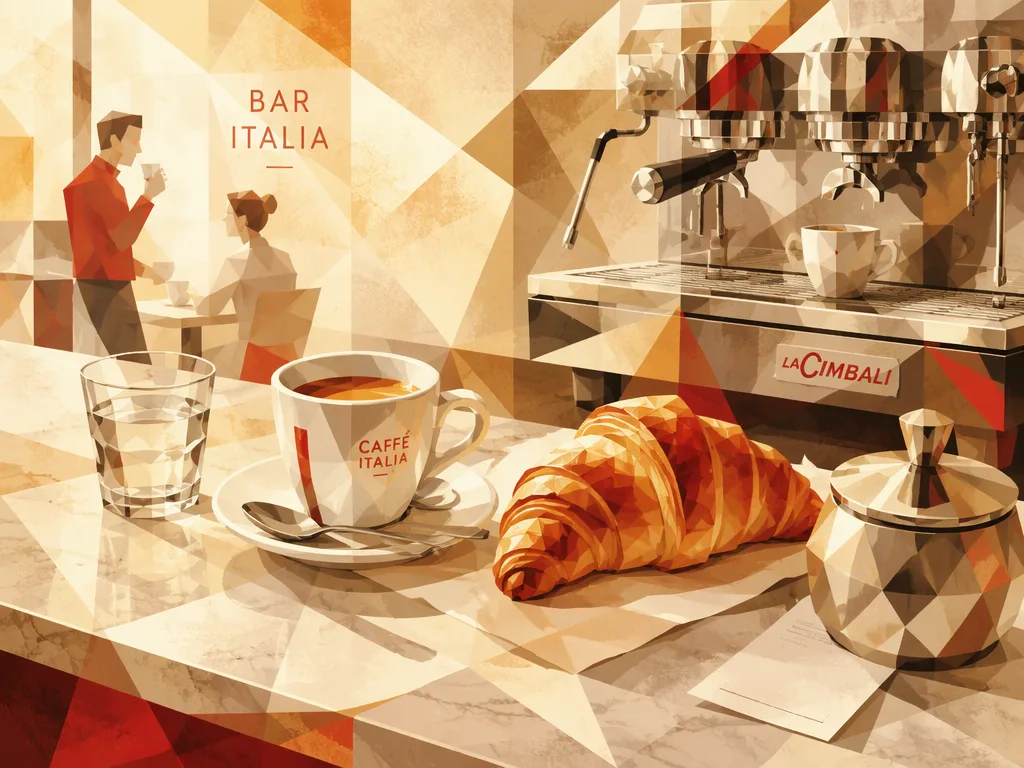
At the Bar: Coffee and Breakfast
Step into an Italian bar for morning coffee and breakfast, from ordering at the counter to paying at the till.How the bar works: standing at the counter (al banco), sitting at a table (al tavolo), or paying first at the till (la cassa)Polite questions from the barista using the formal Lei formOrdering coffee, filled or plain pastries, and a glass of water
Vocafy
Meeting Someone New
First conversations in Italian when meeting people your own age at a language course, a hostel, or a party, alongside a few polite phrases for a host or an older neighbor.Greeting someone and asking their name with informal tu and polite LeiSaying where you come from and where you live with essere di, venire da, abitare, and vivereTalking about work, studies, why you are in Italy, and how much Italian you speak
Vocafy

My Phone in Everyday Use
Talk about your phone in everyday situations in France: calling someone, sending messages, getting online and dealing with a dead battery or a broken phone.Everyday words: le portable, le message, le réseau, la batterie, le chargeurKey verbs: appeler, répondre, envoyer, charger, marcherNotes on French usage: regional words for mobile phones and natural expressions like avoir du réseau and je n'ai plus de batterie.
Vocafy

How I Spend My Free Time
Talk about what you enjoy doing outside of work or study, from quiet evenings at home to staying active and going out with friends.Everyday activities: common words for music, reading, cooking, sports and relaxing.Likes and preferences: natural ways to say what you like, love or prefer doing.Your weekly routine: pay attention to how frequency words like souvent and time phrases like le soir or le week-end connect hobbies to real life.As you listen, picture your own week and try swapping the activities in the examples for the things you actually do.
Vocafy

Stories Behind My Photos
Talk about the photos on your phone or in an album. In this set, you meet everyday words to point out where people are in the frame, say what they are doing and wearing, and share simple memories.Notice how French uses sur la photo (on the photo) rather than 'in'.Learn position words in pairs like à gauche and à droite, or devant and derrière.Practice by opening your own camera roll and describing two or three pictures out loud.
Vocafy

Quiet Study Between Classes
Talk about reading, writing and studying on your own at home or in a library.Everyday objects: books, notebooks, pens and dictionaries.Core study actions: reading texts, looking up words, taking notes and doing exercises.Natural flow: follow a quiet study session from opening a book to reviewing before the next class.
Vocafy
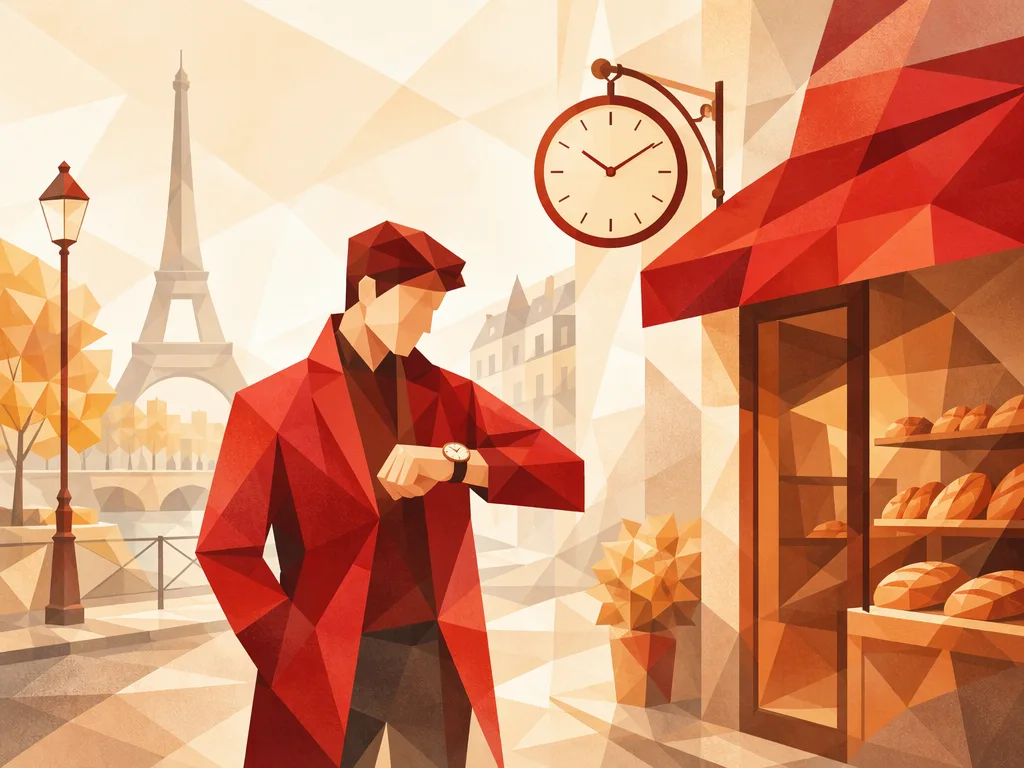
Reading and Saying Clock Times
Ask and tell the time in French, talk about daily schedules, and understand shop opening hours.Telling the time: expressions with Il est..., quarters, halves, noon, and midnight.Parts of the day: how to specify morning, afternoon, and evening, plus the 24-hour clock used in France for schedules.Opening hours: essential words for when places open and close.Notice how French puts the hour first and adds minutes, et quart, or et demie right after heures.
Vocafy
新发布的 Voca 词汇集
Reacting in Conversation
Short expressions and spoken fillers Italians use to react in everyday conversation with friends:Surprise, joy and relief: Davvero?, Ma dai!, Che bello!, Meno male!Sympathy, agreement and reassurance: Che peccato!, Appunto!, Figurati!, Ci mancherebbe!Doubt, impatience and spoken fillers: Macché!, Uffa!, Boh!, cioè, insommaListen closely to the intonation in the examples, since tone of voice gives these short reactions much of their meaning.
Vocafy
Museums, Sights and Guided Tours
Follow a visit to an Italian museum, exhibition or historic church from the ticket desk to the exit.Buying full-price or reduced tickets, checking opening hours and picking up an audio guideUnderstanding museum and church rules about bags, photos and dress codesJoining a guided tour, asking the guide questions with polite Lei and talking about what was worth seeing
Vocafy
Cooking at Home
Cook a meal in Italian from prepping vegetables to bringing the pan to the table, using the everyday words friends say in the kitchen.Cooking steps: verbs for cutting, heating oil, sautéing, boiling, stirring, draining and tastingIn the kitchen: the pot and the pan, cooking heat, and everyday measures like un filo d'olio and un pizzico di saleNatural remarks: short sentences using tu that follow the order of making a meal together
Vocafy
Making Plans With Friends
Informal phrases and verbs for making, changing and cancelling plans with friends in Italian, using tu.Suggesting an aperitivo, a dinner or a weekend trip, and accepting with enthusiasmFixing a time and place, booking a table and picking someone upSaying you cannot make it, moving a plan to another day or texting that you are running lateNotice how verbs for meeting and keeping in touch use ci for 'each other': ci vediamo, ci troviamo, ci sentiamo.
Vocafy
At the Pharmacy on a Trip
If you feel unwell or have a minor accident while traveling in Italy, your first stop is usually a farmacia, where a pharmacist can give advice and sell most everyday remedies over the counter.Explain what is wrong: say where it hurts and describe common problems like a fever, a cold, a stomach ache, sunburn, or an insect bite.Ask for what you need: polite phrases with formal Lei to ask for a remedy and tell the pharmacist how long you have had your symptoms.Understand the advice: follow simple instructions on how and when to take a medicine, and know when you need a prescription or a doctor.
Vocafy
Free Time and Hobbies
Talk with friends about what you enjoy doing in your free time, how often you do it, and invite someone to join you.Pay attention to the verb that goes with each activity: Italians use fare for general exercise, walks and photography, giocare a for games and ball sports, suonare for musical instruments, and andare for places like the gym or the mountains.Listen to how frequency expressions like nel fine settimana and due volte alla settimana fit naturally into everyday sentences.
Vocafy

At the Market and in Shops
Phrases and words you hear and use at an Italian food market and in small shops, from buying cheese by weight to trying on clothes and paying at the till.Order quantities at the counter with un etto di and mezzo chilo, ask for a taste, and check the price.Browse in a shop, ask to try something on, and ask for another size or a gift wrap.Notice how shopkeepers and customers speak to each other using polite Lei forms such as Desidera?, Mi dà…? and Ecco a Lei.
Vocafy

At a Hotel or B&B
Words and phrases for staying at a hotel or B&B in Italy, from arriving late for check-in to leaving your bags on the last day.Follows the order of a real stay: getting your key, sorting out the wrong room, reporting things that do not work, checking breakfast times and paying the tourist tax.Notice how guests and staff address each other politely using the formal Lei form, with phrases like Scusi, Mi può dare and Preferisce.
Vocafy
准备好创建自己的 Voca 词汇集了吗?
让 AI 在几秒内生成完整的 Voca 词汇集,从阅读内容中导入词汇,或从零开始创建自己的学习词汇集。