


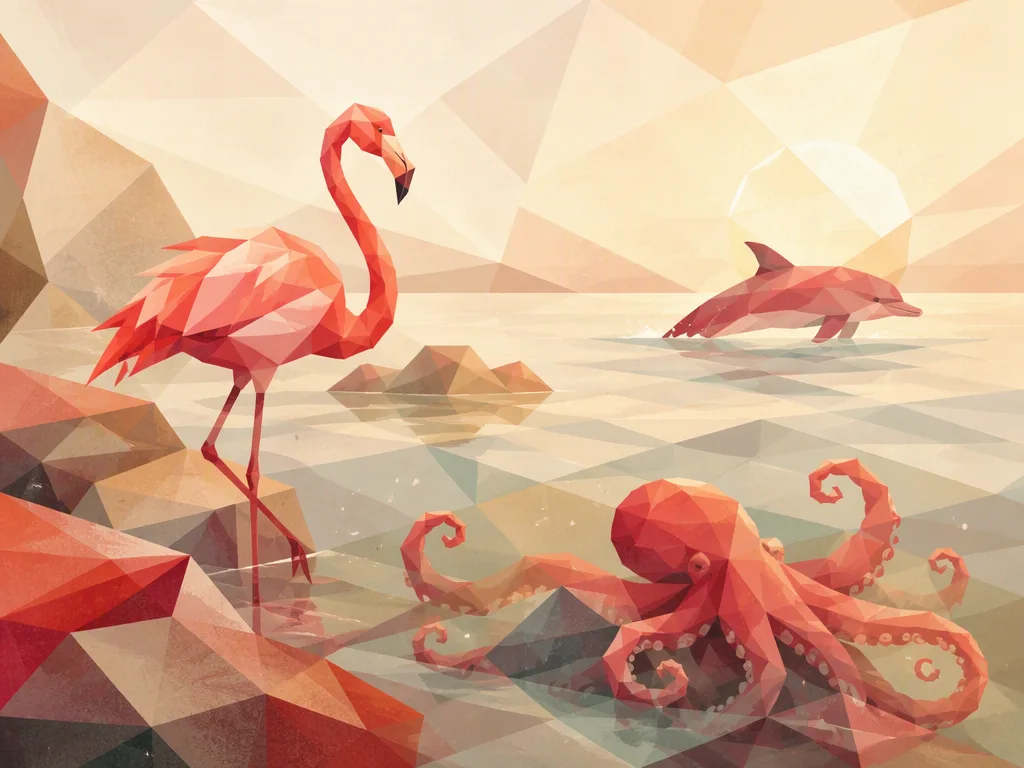
Kuriose, aber wahre Tierfakten
Entdecke überraschende Fähigkeiten von Tieren, ungewöhnliche Körper und clevere Überlebensstrategien.
Preview
Questions with solutions-
1. Wähle die richtige Antwort aus.
Welche Tiere passen zu dieser Beschreibung?
These animals can fly, are often active at night, and feed their babies milk.
- Owls
- Bats
- Moths
Die Ernährung der Jungen mit Milch ist ein Merkmal von Säugetieren.
Show solution
- Bats
Fledermäuse sind die einzigen Säugetiere, die wirklich fliegen können. Flughörnchen gleiten, statt zu fliegen.
-
2. Wähle die richtige Antwort aus.
Warum muss der Delfin das tun?
A dolphin lives in water, but it regularly comes up to the surface.
- To fill its gills with water.
- To get oxygen through its skin.
- To breathe air into its lungs.
Delfine sind Säugetiere, keine Fische.
Show solution
- To breathe air into its lungs.
Ein Delfin atmet durch ein Loch oben auf seinem Kopf, sodass er nicht seinen ganzen Kopf aus dem Wasser heben muss.
-
3. Fülle die Lücke aus.
A camel's hump stores ___, which its body can use for energy when food is hard to find.
- fat
- water
- milk
Der Höcker enthält einen Energievorrat, kein Getränk.
Show solution
A camel's hump stores fat, which its body can use for energy when food is hard to find.
Der Höcker eines Kamels kann kleiner werden, wenn das Kamel sein gespeichertes Fett verbraucht.
-
4. Wähle die richtige Antwort aus.
Mit welchem Körperteil kann der Schmetterling das Blatt schmecken?
A butterfly lands on a leaf before deciding whether to lay its eggs there.
- Its wings
- Its eyes
- Its feet
Dieser Körperteil berührt das Blatt, wenn der Schmetterling landet.
Show solution
- Its feet
Geschmackssensoren an den Füßen helfen einem Schmetterling, Pflanzen zu finden, die sein Nachwuchs fressen kann.
-
5. Wähle die richtige Antwort aus.
Wie viele Herzen hat ein Oktopus?
An octopus has more than one heart to move blood through its body.
- Two
- Three
- Four
Zwei Herzen versorgen die Kiemen, und ein weiteres versorgt den Rest des Körpers.
Show solution
- Three
Zwei Herzen pumpen Blut zu den Kiemen, damit es Sauerstoff aufnimmt. Das dritte pumpt dieses Blut durch den Körper.
-
6. Wähle die richtige Antwort aus.
Woher kommt ihre rosa Farbe hauptsächlich?
Young flamingos are usually gray. Their feathers become pink as they grow.
- Natural colors in their food.
- Sunlight changing their feathers.
- The color of the water they swim in.
Überlege, was in den Körper des Vogels gelangt, wenn er frisst.
Show solution
- Natural colors in their food.
Flamingos bekommen ihre Farbe durch Stoffe in ihrer Nahrung, zum Beispiel in Algen und winzigen Garnelen.
-
7. Wähle die richtige Antwort aus.
What are wombat droppings shaped like?
Wombats are Australian mammals. Even their droppings have a surprising feature.
- Round balls
- Long, thin tubes
- Small cubes
They look a little like tiny boxes.
Show solution
- Small cubes
Parts of a wombat's intestine stretch differently, helping form the flat sides of its droppings.
-
8. Fülle die Lücke aus.
Unlike most fish, sharks have skeletons made mainly of ___, the flexible material also found inside your nose.
- muscle
- cartilage
- bone
Dieses Material stützt Körperteile, lässt sich aber leichter biegen als Knochen.
Show solution
Unlike most fish, sharks have skeletons made mainly of cartilage, the flexible material also found inside your nose.
Knorpel ist leichter und flexibler als Knochen. Auch Rochen haben Knorpelskelette.
-
9. Wähle die richtige Antwort aus.
Was passiert im Beutel des Männchens?
A female seahorse puts her eggs into a special pouch on the male.
- The young develop until they are ready to be born.
- The eggs wait there until the female takes them back.
- The eggs become food for the male.
Der Beutel schützt die sich entwickelnden Jungen.
Show solution
- The young develop until they are ready to be born.
Das Seepferdchenmännchen bringt die Jungen zur Welt. Nachdem die winzigen Jungen seinen Beutel verlassen haben, müssen sie auf sich allein gestellt überleben.
-
10. Fülle die Lücke aus.
A honeybee uses a special dance to share information about the ___ of food.
- taste
- color
- location
Die anderen Bienen müssen wissen, wohin sie fliegen sollen.
Show solution
A honeybee uses a special dance to share information about the location of food.
Die Bewegungen der Biene geben sowohl Auskunft über die Richtung als auch über die Entfernung zur Nahrung.
-
11. Wähle die richtige Antwort aus.
What did the crows recognize?
Crows learned to fear a person wearing a particular mask. Later, they reacted to the same mask on someone else.
- The first person's voice.
- The face on the mask.
- The new person's real face.
The person changed, but one visible feature stayed the same.
Show solution
- The face on the mask.
Crows can remember human faces and warn other crows about people they see as dangerous.
-
12. Wähle die richtige Antwort aus.
Wie hilft ein Positionswechsel den Pinguinen?
Emperor penguins gather closely together in cold weather. They move between the warmer center and the colder edge.
- More penguins get time in the warmer center.
- The same penguins stay in the center all the time.
- All the penguins move away from the group.
Ein Pinguin am kalten Rand bleibt nicht immer dort.
Show solution
- More penguins get time in the warmer center.
Dichtes Zusammenstehen verringert den Wärmeverlust. Bewegung innerhalb der Gruppe hilft den Vögeln, die Wärme miteinander zu teilen.
-
13. Wähle die richtige Antwort aus.
If a person near an elephant hears nothing, what does this mean?
Elephants can make very low sounds outside the range of human hearing. Some of these calls travel long distances.
- The elephants must be completely silent.
- The elephants can communicate only by touching.
- Two distant elephants could still be communicating.
Human ears cannot detect every sound that animals use.
Show solution
- Two distant elephants could still be communicating.
These low calls help elephants keep in touch even when members of the group are far apart.
-
14. Wähle die richtige Antwort aus.
What does the extra sugar help the frog do?
In winter, a wood frog can survive while part of its body freezes. Its body makes extra sugar to protect its cells.
- Keep every part of its body warm.
- Survive freezing temperatures.
- Stay active throughout the winter.
Protecting the cells is different from stopping the body from freezing.
Show solution
- Survive freezing temperatures.
The frog's heart can stop while it is frozen and start again as it warms up.
-
15. Wähle die richtige Antwort aus.
Why does this make the cuttlefish harder to find?
A cuttlefish can quickly change its skin color and pattern to match the sand or rocks around it.
- Its body looks like its surroundings.
- Its body becomes completely clear like glass.
- Its skin makes the surrounding water dark.
Imagine looking for a brown animal against brown rocks.
Show solution
- Its body looks like its surroundings.
This is camouflage: the animal is still there, but it is harder to notice against the background.