


Theme & Story
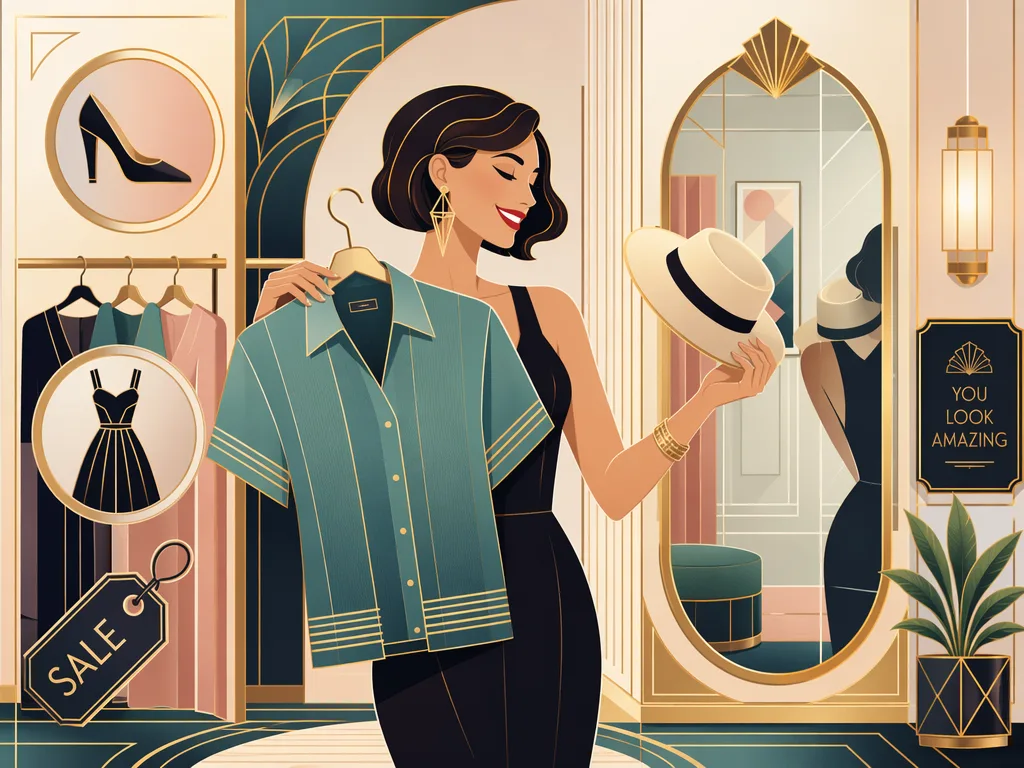
“Fashion and Style” is a simple, cheerful song about going shopping for clothes at the mall. The speaker visits big shops, looks at clothes in the window, tries items on in the fitting room, checks sizes and prices, and finally buys something they like. The story is practical and everyday, making it very useful for language learners who want vocabulary for shopping, clothing, and asking about prices.
Metaphors & Meaning
This song is mostly literal, not metaphorical. It describes real shopping actions: going to the mall, looking at clothes, trying them on, paying, and talking to a shop assistant.
One slightly deeper idea appears in the line “Shopping for clothes helps with my stress.” This suggests that shopping is not only practical but also emotional. In many cultures, people sometimes use shopping as a way to relax, feel confident, or improve their mood. This is often called retail therapy, though that exact phrase is not used in the lyrics.
The song also shows a common shopping experience in English-speaking contexts: checking whether something is cheap, expensive, or on sale, then deciding, “I’ll take it.”
Vocabulary & Slang
- mall: A large building with many shops inside.
- shops / clothing store: Places where people buy things. A “clothing store” specifically sells clothes.
- wig: Artificial hair that someone wears on their head.
- window: Here, this means the shop display window where clothes are shown.
- dress, shirt, pants, shoes, jacket, top, hat: Common clothing words.
- size: The measurement category for clothes, such as small, medium, or large.
- fitting room: A small private room where customers try on clothes.
- try it on: To put on clothing to see if it fits or looks good.
- fits perfectly: The clothing is the correct size and looks good on the person.
- expensive: Costs a lot of money.
- cheap: Costs little money.
- discount: A lower price than usual.
- sale / on sale: A special time or offer when items cost less.
- shop assistant: A worker in a shop who helps customers.
- I’ll take it: A very common phrase meaning “I want to buy this.”
- what I have in mind: What I am thinking of or imagining. For example, “She helps me find what I have in mind” means the assistant helps the speaker find the type of clothing they want.
- Simple present tense: The song uses many simple present verbs: I go, I want, I look, I see, I pay, I buy. This is useful for describing routines or general actions.
- Questions with “is”: Lines like “Is it expensive?” and “Is it cheap?” are basic yes/no questions using the verb to be.
- Choice questions: “Small, medium or large?” gives options. This is common in shops when asking about size.
- “Try it on” phrasal verb: In “I try it on,” the pronoun it goes between the verb and particle. We say “try it on,” not usually “try on it.”
- Future with “will”: “I’ll take it” uses the contraction I’ll = I will. In shopping, this phrase expresses a decision made at that moment.
- Imperative sentence: “Enjoy your new clothes.” This is a friendly command or wish from the shop assistant.
- Short vocabulary lines: Lines like “Shirt. Pants. Dress. Shoes.” are not full sentences. Songs often use fragments for rhythm, repetition, and learning key words quickly.