


Cómo sobreviven los animales en la naturaleza
Descubre cómo los animales encuentran alimento, evitan el peligro y sobreviven en condiciones difíciles, desde inviernos fríos hasta desiertos secos.
Preview
Questions with solutions-
1. Elige la respuesta correcta.
¿Qué estrategia de supervivencia está usando el insecto?
A stick insect looks like a small branch, making it difficult for birds to notice.
- Camouflage
- Migration
- Hibernation
Piensa en cómo la apariencia del insecto se asemeja a su entorno.
Show solution
- Camouflage
El camuflaje puede incluir tanto la forma como el color. Algunos insectos parecen hojas en lugar de ramas.
-
2. Elige la respuesta correcta.
How does pulling its head and legs inside help the turtle?
When danger is near, a box turtle pulls its head and legs inside its hard shell.
- It gives the turtle extra running speed.
- It puts a hard surface between the turtle and its attacker.
- It makes the turtle's bite stronger.
Show solution
- It puts a hard surface between the turtle and its attacker.
A turtle's shell is part of its skeleton, not a separate home it can leave.
-
3. Completa el espacio en blanco.
¿Cómo reaccionan muchas golondrinas ante el invierno?
When insects become scarce in fall, many swallows ___ instead of staying for the winter.
- hibernate
- build nests
- migrate
Su suministro de alimento mejora cuando viajan a otra región.
Show solution
When insects become scarce in fall, many swallows migrate instead of staying for the winter.
La migración es un viaje estacional. Para muchas aves, encontrar alimento es una razón importante para viajar.
-
4. Elige la respuesta correcta.
¿Cuál es el principal beneficio de estos cambios?
During winter hibernation, a hedgehog's body temperature falls and its heartbeat slows.
- It uses less energy when food is difficult to find.
- It can search for food more quickly.
- It produces more heat than when it is active.
Mantener el cuerpo activo requiere combustible.
Show solution
- It uses less energy when food is difficult to find.
La hibernación es más que el sueño normal: la actividad del cuerpo se ralentiza considerablemente.
-
5. Completa el espacio en blanco.
Standing in a group also blocks some of the cold wind.
In freezing weather, emperor penguins stand close together to ___.
- store extra food
- share body heat
- dry their feathers
Show solution
In freezing weather, emperor penguins stand close together to share body heat.
Penguins change positions within the group, so birds on the cold outside can move toward the warmer center.
-
6. Elige la respuesta correcta.
¿Qué proporciona principalmente la joroba?
A camel's hump contains fat. Its body can use this fat when food is hard to find.
- A container filled with drinking water
- A surface that collects sunlight for warmth
- A stored supply of energy
Piensa en lo que obtiene el cuerpo al utilizar la grasa.
Show solution
- A stored supply of energy
La joroba de un camello puede hacerse más pequeña a medida que su cuerpo utiliza la grasa almacenada.
-
7. Elige la respuesta correcta.
¿Qué problema del desierto ayuda a resolver esta capacidad?
A desert kangaroo rat can get much of the water it needs as its body breaks down the seeds it eats.
- There is very little water available to drink.
- There are few places to hide from predators.
- The ground becomes cold at night.
Show solution
- There is very little water available to drink.
Las ratas canguro también producen orina muy concentrada, lo que les ayuda a perder menos agua.
-
8. Elige la respuesta correcta.
¿Cómo ayudan estos bordes de las plumas al búho a cazar?
The soft edges of many owls' wing feathers reduce the sound made during flight.
- They help the owl smell prey from farther away.
- They help the owl approach prey with less noise.
- They help the owl hold prey more tightly.
Un ratón puede oír el peligro antes de verlo.
Show solution
- They help the owl approach prey with less noise.
El vuelo silencioso también facilita que un búho oiga a los animales pequeños que se mueven debajo de él.
-
9. Completa el espacio en blanco.
Los osos hormigueros gigantes no tienen dientes.
A long, sticky tongue helps a giant anteater ___ ants from inside narrow nests.
- chew
- crush
- collect
Los insectos se pegan a la lengua.
Show solution
A long, sticky tongue helps a giant anteater collect ants from inside narrow nests.
Los osos hormigueros tragan insectos sin masticarlos. Sus fuertes estómagos ayudan a descomponer el alimento.
-
10. Elige la respuesta correcta.
¿Por qué es útil la piedra?
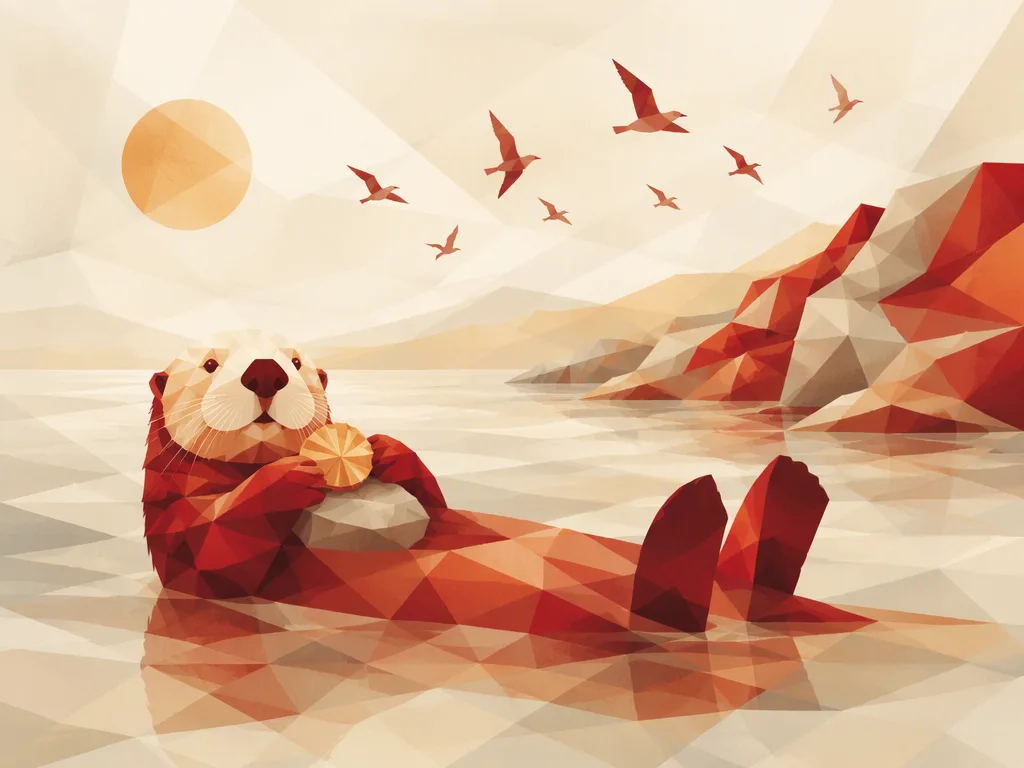
A sea otter floats on its back and hits a shellfish against a stone resting on its chest.
- It helps break the shell to reach the food inside.
- It keeps the shellfish alive for longer.
- It removes salt from the shellfish.
Show solution
- It helps break the shell to reach the food inside.
Las nutrias marinas están entre los animales que usan herramientas para obtener alimento.
-
11. Elige la respuesta correcta.
How does the fish bring an insect within reach?
An archerfish stays in the water but hunts insects resting on branches above the water. It shoots a stream of water from its mouth toward an insect.
- It builds a path of water up to the branch.
- It knocks the insect down into the water.
- It traps the insect inside a floating bubble.
Think about what happens when the insect loses its hold.
Show solution
- It knocks the insect down into the water.
Young archerfish improve their aim through practice.
-
12. Elige la respuesta correcta.
How do both fish benefit?
A cleaner fish eats tiny parasites from a larger fish's skin. These parasites feed on and can harm the larger fish.
- The cleaner gets shelter, and the larger fish gets food.
- Both fish gain a new way to catch larger prey.
- The cleaner gets food, and the larger fish gets rid of harmful parasites.
Each fish receives a different benefit.
Show solution
- The cleaner gets food, and the larger fish gets rid of harmful parasites.
Some larger fish visit particular places on a reef where cleaner fish regularly work.
-
13. Elige la respuesta correcta.
¿Por qué son útiles las patas anchas en la nieve profunda?
A snowshoe hare has large back feet. They spread its weight over a wider area when it moves across snow.
- Its feet sink less, making movement easier.
- Its feet melt a clear path through the snow.
- Its feet press more deeply into the snow to find food.
Piensa en por qué las personas usan raquetas de nieve.
Show solution
- Its feet sink less, making movement easier.
El pelo de las patas de la liebre también ayuda a protegerlas del frío.
-
14. Elige la respuesta correcta.
¿Qué insecto está más cerca del murciélago?
A bat uses returning sounds called echoes to locate insects. Sound takes longer to return from something farther away. One insect's echo returns sooner than another's.
- The insect whose echo returns later
- The insect whose echo returns sooner
- Both insects are the same distance away.
Un recorrido más corto toma menos tiempo.
Show solution
- The insect whose echo returns sooner
Esta capacidad se llama ecolocalización. Les permite a muchos murciélagos cazar sin depender de la luz del día.
-
15. Elige la respuesta correcta.
Why is losing the tail helpful but also costly?
Some lizards escape an attacker by leaving their tail behind. The moving tail distracts the attacker. They can grow a new tail, but doing so requires energy.
- It saves the tail but prevents the lizard from moving.
- It scares away every attacker but stops the lizard from eating.
- It helps the lizard escape, but replacing the tail uses energy.
Consider both the immediate escape and what happens afterward.
Show solution
- It helps the lizard escape, but replacing the tail uses energy.
A replacement tail may look different from the original and have a simpler structure inside.