


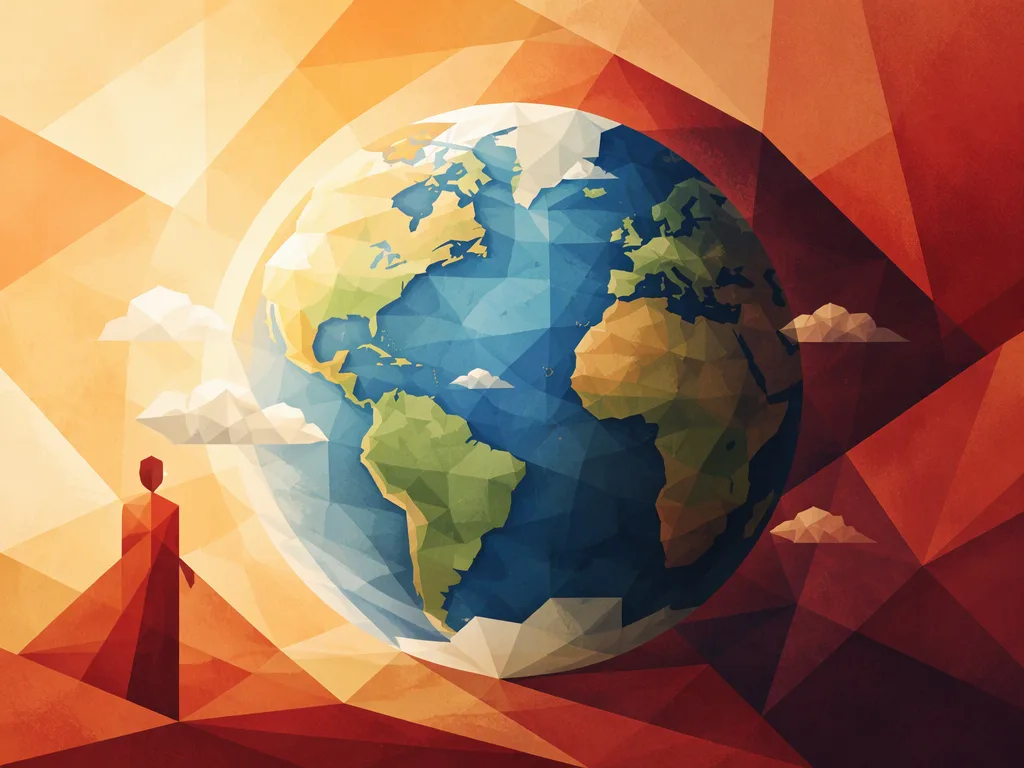
Nuestro planeta Tierra
Explora los continentes, los océanos y las condiciones meteorológicas de la Tierra, desde datos conocidos hasta descubrimientos sorprendentes.
Preview
Questions with solutions-
1. Elige la respuesta correcta.
¿A qué sabe normalmente el agua del océano?
- Sweet
- Salty
- Sour
Show solution
- Salty
El agua del océano contiene sal. Los ríos transportan pequeñas cantidades de sal de las rocas al mar.
-
2. Elige la respuesta correcta.
Which continent is Brazil on?
- South America
- Europe
- Asia
Brazil is on the same continent as Argentina.
Show solution
- South America
Brazil is the largest country in South America. Much of the Amazon rainforest is there.
-
3. Completa el espacio en blanco.
On a very cold day, soft white flakes of ___ can fall from the clouds.
- rain
- fog
- snow
It can cover the ground in white.
Show solution
On a very cold day, soft white flakes of snow can fall from the clouds.
Snowflakes have different shapes, but they usually have six sides or six arms.
-
4. Elige la respuesta correcta.
Which ocean is the largest?
- The Atlantic Ocean
- The Pacific Ocean
- The Indian Ocean
It lies between Asia and the Americas.
Show solution
- The Pacific Ocean
The Pacific Ocean covers a larger area than all of Earth's land put together.
-
5. Elige la respuesta correcta.
¿Qué hace que un lugar sea un desierto?
- Hot weather all year
- Sand covering all the ground
- Very little rain or snow
Piensa en cuánta agua cae del cielo.
Show solution
- Very little rain or snow
Algunos desiertos son fríos y otros tienen más roca que arena. Los desiertos son secos, pero no siempre son calurosos.
-
6. Elige la respuesta correcta.
Cuando es verano en Canadá, ¿qué estación del año es en Australia?
- Winter
- Summer
- Spring
Canadá está al norte del ecuador. Australia está al sur de él.
Show solution
- Winter
Las mitades norte y sur de la Tierra tienen estaciones opuestas. En Australia, la Navidad es en verano.
-
7. Elige la respuesta correcta.
¿Qué continente está cubierto en su mayor parte por una gruesa capa de hielo?
- Africa
- Antarctica
- Europe
El Polo Sur está allí.
Show solution
- Antarctica
El hielo de la Antártida se encuentra sobre tierra firme. En cambio, gran parte del hielo alrededor del Polo Norte flota sobre el océano.
-
8. Completa el espacio en blanco.
Clouds are made of tiny drops of water or small pieces of ___.
- salt
- rock
- ice
A gran altura sobre el suelo, el aire puede ser muy frío.
Show solution
Clouds are made of tiny drops of water or small pieces of ice.
Una nube puede contener hielo incluso cuando hace calor a nivel del suelo.
-
9. Elige la respuesta correcta.
A mountain under the ocean grows until its top rises above the water. What does the top of the mountain become?
- An island
- A lake
- A valley
Water surrounds this new land.
Show solution
- An island
Some islands form when hot rock comes up from inside Earth and builds an underwater mountain.
-
10. Elige la respuesta correcta.
El nivel del mar sube y baja en una playa cada día. ¿Cuál es la causa principal de esto?
- The heat of the sun
- Rain falling over the land
- The pull of the moon
Piensa en el objeto cercano que gira alrededor de la Tierra.
Show solution
- The pull of the moon
Estos cambios se llaman mareas. El Sol también ejerce una fuerza de atracción sobre el agua del océano, pero la Luna tiene un efecto mayor en las mareas.
-
11. Completa el espacio en blanco.
The sun warms ocean water. Some water becomes a gas and rises into the ___.
- sand
- air
- ice
Este es el espacio sobre el océano.
Show solution
The sun warms ocean water. Some water becomes a gas and rises into the air.
Este cambio se llama evaporación. La sal queda atrás cuando el agua del océano se convierte en gas.
-
12. Elige la respuesta correcta.
Hay dos lugares en la misma montaña: uno cerca de la base y otro cerca de la cima. ¿Cuál suele ser más frío?
- The place near the top
- The place near the bottom
- Both are always equally cold
Piensa en qué parte de una montaña suele permanecer la nieve.
Show solution
- The place near the top
El aire suele volverse más frío a medida que subes. Esto ayuda a explicar por qué algunas montañas tienen nieve incluso en verano.
-
13. Elige la respuesta correcta.
Durante una tormenta, ¿por qué solemos ver el relámpago antes de oír el trueno?
- Thunder starts several seconds after lightning
- Lightning happens much closer to us than thunder
- Light travels faster than sound
Ambos provienen del mismo evento, pero llegan a nosotros a diferentes velocidades.
Show solution
- Light travels faster than sound
El relámpago calienta el aire muy rápidamente. Esto produce el sonido que llamamos trueno.
-
14. Elige la respuesta correcta.
Why do places near the sea have cooler summers and warmer winters than places far from the sea?
- The sea changes temperature faster than land
- The sea changes temperature more slowly than land
- The sea stays the same temperature all year
The sea can keep heat for a long time.
Show solution
- The sea changes temperature more slowly than land
In summer, the sea warms up slowly, so it keeps the air nearby cooler. In winter, the sea gives some of its stored heat to the air nearby.
-
15. Elige la respuesta correcta.
A place usually has warm summers, but one summer day is cold. What does this tell us?
- Only the weather has changed, not the climate
- The climate has changed in one day
- Winter has started early
One unusual day does not describe many years.
Show solution
- Only the weather has changed, not the climate
Weather can change from day to day. Climate describes the usual weather over many years.