


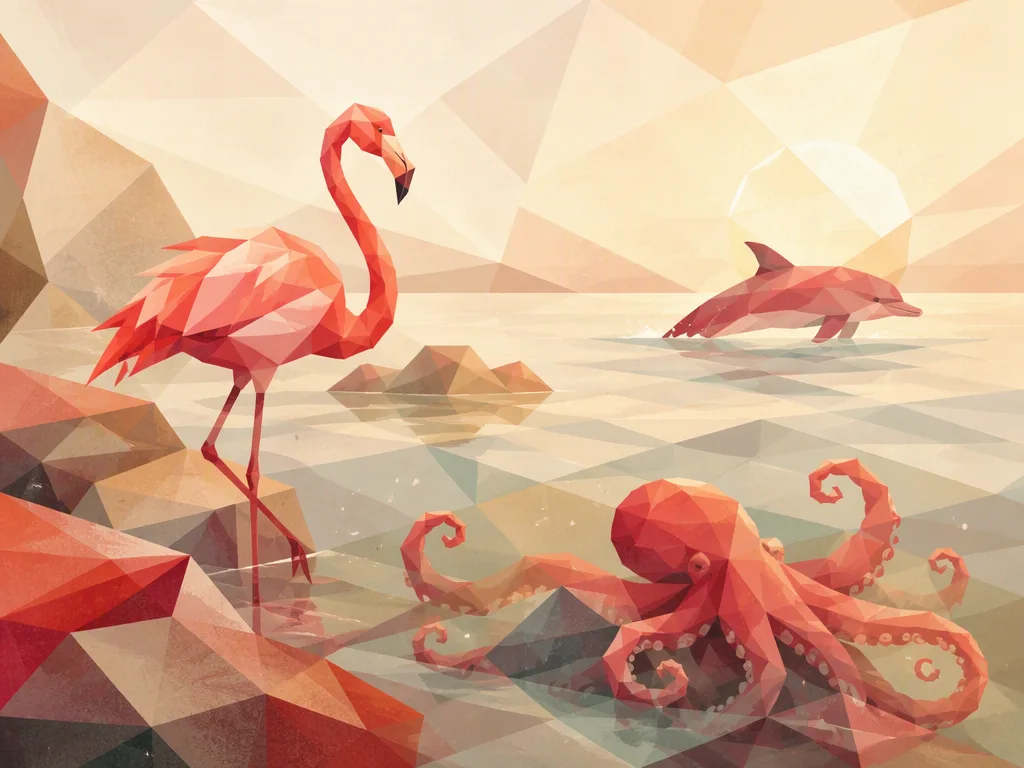
Datos extraños pero verdaderos sobre los animales
Descubre habilidades sorprendentes de los animales, cuerpos inusuales y formas ingeniosas de sobrevivir.
Preview
Questions with solutions-
1. Elige la respuesta correcta.
¿Qué animales se ajustan a esta descripción?
These animals can fly, are often active at night, and feed their babies milk.
- Owls
- Bats
- Moths
Alimentar a las crías con leche es una característica de los mamíferos.
Show solution
- Bats
Los murciélagos son los únicos mamíferos que pueden volar de verdad. Las ardillas voladoras planean en lugar de volar.
-
2. Elige la respuesta correcta.
¿Por qué el delfín necesita hacer esto?
A dolphin lives in water, but it regularly comes up to the surface.
- To fill its gills with water.
- To get oxygen through its skin.
- To breathe air into its lungs.
Los delfines son mamíferos, no peces.
Show solution
- To breathe air into its lungs.
Un delfín respira a través de un orificio en la parte superior de la cabeza, por lo que no necesita sacar toda la cabeza del agua.
-
3. Completa el espacio en blanco.
A camel's hump stores ___, which its body can use for energy when food is hard to find.
- fat
- water
- milk
La joroba contiene una reserva de energía, no una bebida.
Show solution
A camel's hump stores fat, which its body can use for energy when food is hard to find.
La joroba de un camello puede hacerse más pequeña a medida que el camello utiliza la grasa almacenada.
-
4. Elige la respuesta correcta.
¿Qué parte del cuerpo puede usar la mariposa para percibir el sabor de la hoja?
A butterfly lands on a leaf before deciding whether to lay its eggs there.
- Its wings
- Its eyes
- Its feet
Esta parte del cuerpo toca la hoja cuando la mariposa se posa.
Show solution
- Its feet
Los sensores del gusto que tiene en las patas ayudan a la mariposa a encontrar plantas que sus crías pueden comer.
-
5. Elige la respuesta correcta.
¿Cuántos corazones tiene un pulpo?
An octopus has more than one heart to move blood through its body.
- Two
- Three
- Four
Dos corazones llevan sangre a las branquias y otro al resto del cuerpo.
Show solution
- Three
Dos corazones envían sangre a las branquias para recoger oxígeno. El tercero envía esa sangre por todo el cuerpo.
-
6. Elige la respuesta correcta.
¿De dónde proviene principalmente su color rosado?
Young flamingos are usually gray. Their feathers become pink as they grow.
- Natural colors in their food.
- Sunlight changing their feathers.
- The color of the water they swim in.
Piensa en lo que entra en el cuerpo del ave cuando come.
Show solution
- Natural colors in their food.
Los flamencos obtienen su color de sustancias presentes en alimentos como las algas y los camarones diminutos.
-
7. Elige la respuesta correcta.
What are wombat droppings shaped like?
Wombats are Australian mammals. Even their droppings have a surprising feature.
- Round balls
- Long, thin tubes
- Small cubes
They look a little like tiny boxes.
Show solution
- Small cubes
Parts of a wombat's intestine stretch differently, helping form the flat sides of its droppings.
-
8. Completa el espacio en blanco.
Unlike most fish, sharks have skeletons made mainly of ___, the flexible material also found inside your nose.
- muscle
- cartilage
- bone
Este material da soporte a las partes del cuerpo, pero se dobla más fácilmente que el hueso.
Show solution
Unlike most fish, sharks have skeletons made mainly of cartilage, the flexible material also found inside your nose.
El cartílago es más ligero y flexible que el hueso. Las rayas también tienen esqueletos de cartílago.
-
9. Elige la respuesta correcta.
¿Qué sucede dentro de la bolsa del macho?
A female seahorse puts her eggs into a special pouch on the male.
- The young develop until they are ready to be born.
- The eggs wait there until the female takes them back.
- The eggs become food for the male.
La bolsa protege a las crías en desarrollo.
Show solution
- The young develop until they are ready to be born.
El caballito de mar macho da a luz. Después de salir de su bolsa, las diminutas crías deben sobrevivir por su cuenta.
-
10. Completa el espacio en blanco.
A honeybee uses a special dance to share information about the ___ of food.
- taste
- color
- location
Las otras abejas necesitan saber adónde ir.
Show solution
A honeybee uses a special dance to share information about the location of food.
Los movimientos de la abeja dan información tanto sobre la dirección como sobre la distancia hasta el alimento.
-
11. Elige la respuesta correcta.
What did the crows recognize?
Crows learned to fear a person wearing a particular mask. Later, they reacted to the same mask on someone else.
- The first person's voice.
- The face on the mask.
- The new person's real face.
The person changed, but one visible feature stayed the same.
Show solution
- The face on the mask.
Crows can remember human faces and warn other crows about people they see as dangerous.
-
12. Elige la respuesta correcta.
¿Cómo ayuda a los pingüinos cambiar de posición?
Emperor penguins gather closely together in cold weather. They move between the warmer center and the colder edge.
- More penguins get time in the warmer center.
- The same penguins stay in the center all the time.
- All the penguins move away from the group.
Un pingüino que está en el borde frío no siempre se queda allí.
Show solution
- More penguins get time in the warmer center.
Estar muy juntos reduce la pérdida de calor. Moverse dentro del grupo ayuda a las aves a compartir el calor.
-
13. Elige la respuesta correcta.
If a person near an elephant hears nothing, what does this mean?
Elephants can make very low sounds outside the range of human hearing. Some of these calls travel long distances.
- The elephants must be completely silent.
- The elephants can communicate only by touching.
- Two distant elephants could still be communicating.
Human ears cannot detect every sound that animals use.
Show solution
- Two distant elephants could still be communicating.
These low calls help elephants keep in touch even when members of the group are far apart.
-
14. Elige la respuesta correcta.
What does the extra sugar help the frog do?
In winter, a wood frog can survive while part of its body freezes. Its body makes extra sugar to protect its cells.
- Keep every part of its body warm.
- Survive freezing temperatures.
- Stay active throughout the winter.
Protecting the cells is different from stopping the body from freezing.
Show solution
- Survive freezing temperatures.
The frog's heart can stop while it is frozen and start again as it warms up.
-
15. Elige la respuesta correcta.
Why does this make the cuttlefish harder to find?
A cuttlefish can quickly change its skin color and pattern to match the sand or rocks around it.
- Its body looks like its surroundings.
- Its body becomes completely clear like glass.
- Its skin makes the surrounding water dark.
Imagine looking for a brown animal against brown rocks.
Show solution
- Its body looks like its surroundings.
This is camouflage: the animal is still there, but it is harder to notice against the background.