


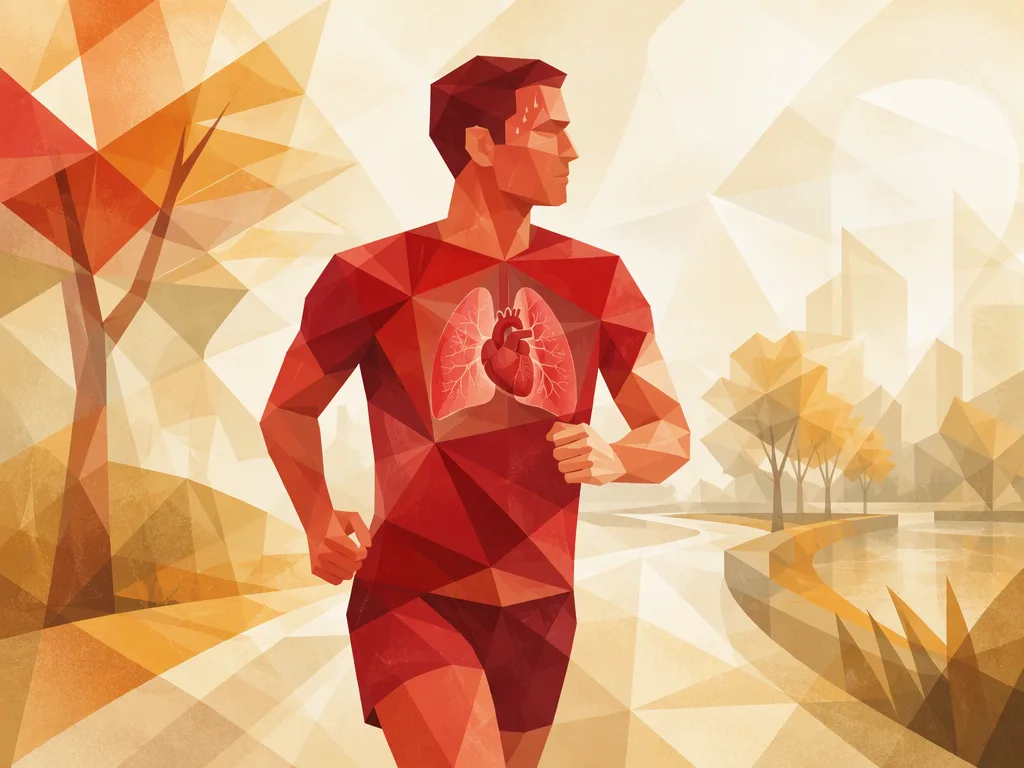
Descubre cómo tu cuerpo usa el aire, hace circular la sangre, procesa los alimentos y te mantiene a salvo.
Preview
Questions with solutions-
1. Elige la respuesta correcta.
¿Qué está haciendo tu corazón?
You can feel your heart beating even when you sit quietly.
- Moving air into and out of your lungs.
- Pumping blood around your body.
- Breaking food into smaller pieces.
Piensa en lo que circula por tus vasos sanguíneos.
Show solution
- Pumping blood around your body.
Tu sangre transporta oxígeno y nutrientes a diferentes partes de tu cuerpo.
-
2. Completa el espacio en blanco.
Air enters your lungs when you breathe in. Your body takes ___ from this air to help release energy from food.
- carbon dioxide
- water vapor
- oxygen
Piensa en el gas que necesitan las células de tu cuerpo.
Show solution
Air enters your lungs when you breathe in. Your body takes oxygen from this air to help release energy from food.
El oxígeno pasa de tus pulmones a la sangre, que lo transporta a tus células.
-
3. Elige la respuesta correcta.
¿Cómo ayuda la saliva?
As you chew, saliva mixes with your food.
- It makes food wet and starts breaking down some of it.
- It takes nutrients directly from your mouth into your blood.
- It does all the work of digestion before you swallow.
La digestión comienza antes de que la comida llegue a tu estómago.
Show solution
- It makes food wet and starts breaking down some of it.
La saliva comienza a descomponer el almidón, que se encuentra en alimentos como el pan y el arroz.
-
4. Elige la respuesta correcta.
¿Por qué parpadeamos con regularidad?
Your eyelids briefly close many times during the day.
- To let more light enter the eyes.
- To make the eyes focus on distant objects.
- To spread tears over the surface of the eyes.
La superficie de los ojos necesita mantenerse húmeda.
Show solution
- To spread tears over the surface of the eyes.
Las lágrimas también ayudan a eliminar pequeñas partículas de polvo de los ojos.
-
5. Completa el espacio en blanco.
Your kidneys remove waste and extra water from your blood. These leave your body as ___.
- sweat
- urine
- saliva
Este líquido se almacena en tu vejiga.
Show solution
Your kidneys remove waste and extra water from your blood. These leave your body as urine.
Tus riñones también ayudan a controlar cuánta agua permanece en tu cuerpo.
-
6. Elige la respuesta correcta.
¿Dónde entra la mayoría de los nutrientes en la sangre?
Digestion breaks food down into useful parts called nutrients. These can then pass into your blood.
- In the stomach.
- In the large intestine.
- In the small intestine.
La mayor parte de este proceso ocurre después de que los alimentos salen del estómago.
Show solution
- In the small intestine.
El interior del intestino delgado tiene muchos pliegues que lo ayudan a absorber nutrientes.
-
7. Elige la respuesta correcta.
How can sleep help you learn?
You practice a new skill, then get a good night's sleep.
- It helps your brain strengthen new memories.
- It stops all brain activity until morning.
- It removes the need to practice the skill again.
Your brain stays active during sleep.
Show solution
- It helps your brain strengthen new memories.
Sleep supports learning, but regular practice is still important.
-
8. Elige la respuesta correcta.
How does sweat drying on your skin help cool you down?
On a warm day, sweat on your skin slowly changes from liquid into gas.
- It prevents your body from losing water.
- It takes heat away from your skin.
- It creates extra heat under your skin.
Changing liquid into gas needs energy.
Show solution
- It takes heat away from your skin.
In humid air, sweat dries more slowly, so this cooling process works less well.
-
9. Elige la respuesta correcta.
¿Por qué temblar puede ayudar cuando tienes frío?
When you shiver, your muscles make quick, repeated movements.
- Your muscles stop working to save energy.
- Your skin loses extra heat as it shakes.
- Your muscles produce heat as they move.
La actividad muscular consume energía.
Show solution
- Your muscles produce heat as they move.
Los temblores se producen automáticamente; no necesitas decidir hacer estos movimientos.
-
10. Elige la respuesta correcta.
¿Qué suelen hacer tus pupilas?
You walk from a dark room into bright sunlight. Your pupils are the dark openings in the center of your eyes.
- Become smaller to let in less light.
- Become larger to let in more light.
- Stay the same size in every kind of light.
Tus ojos no necesitan tanta luz en un lugar luminoso.
Show solution
- Become smaller to let in less light.
La parte de color de cada ojo controla el tamaño de la pupila.
-
11. Completa el espacio en blanco.
A small cut usually stops bleeding after a while. Your blood forms a ___ that helps close the cut.
- bruise
- clot
- blister
La sangre forma una pequeña barrera en lugar de permanecer completamente líquida.
Show solution
A small cut usually stops bleeding after a while. Your blood forms a clot that helps close the cut.
Un coágulo actúa como un tapón temporal mientras tu cuerpo repara la zona dañada.
-
12. Elige la respuesta correcta.
¿Por qué es útil que el corazón lata más rápido en esta situación?
You run up a hill. Your leg muscles work harder, and your heart beats faster.
- It stores extra oxygen inside your heart.
- It allows your muscles to work without oxygen.
- It delivers more oxygen to your working muscles.
Los músculos en actividad necesitan más energía que los músculos en reposo.
Show solution
- It delivers more oxygen to your working muscles.
Tu respiración también suele acelerarse, lo que ayuda a suministrar el oxígeno adicional que tus músculos necesitan.
-
13. Elige la respuesta correcta.
¿Por qué se necesitan músculos con funciones opuestas?
To bend your elbow, one muscle pulls on your bones. To straighten your elbow, another muscle pulls in the opposite direction.
- Muscles can pull on bones, but they cannot push them.
- Muscles can push bones, but they cannot pull them.
- Bones move only when both muscles are completely relaxed.
Un músculo se acorta cuando trabaja.
Show solution
- Muscles can pull on bones, but they cannot push them.
Muchos músculos trabajan en pares, lo que permite que una parte del cuerpo se mueva en direcciones opuestas.
-
14. Elige la respuesta correcta.
What can these cells do throughout your life?
Bones may feel like hard, unchanging objects, but they contain living cells.
- Repair damaged bones only during childhood.
- Replace old bone material with new bone material.
- Keep all bone material unchanged after you become an adult.
Living bone is not like stone.
Show solution
- Replace old bone material with new bone material.
Regular activity that puts weight on your bones, such as walking, helps keep them strong.
-
15. Elige la respuesta correcta.
Why can you still feel as if you are turning?
You stop spinning, but you still feel dizzy. Fluid inside your inner ears can keep moving for a short time after you stop.
- Your brain stops receiving all information about movement.
- Your eyes take control of the fluid inside your ears.
- The moving fluid makes your ears keep sending movement signals.
Your body can stop moving while part of its balance system keeps moving.
Show solution
- The moving fluid makes your ears keep sending movement signals.
Your brain combines information from your eyes and inner ears to help you keep your balance.