


Amplía tu vocabulario con Colecciones Voca
Explora Colecciones Voca de todos los niveles del MCER, practica con audio interactivo o genera colecciones personalizadas con IA en segundos

Hablar de los planes para el fin de semana
 Vocafy

Pedir indicaciones en la calle
Vocafy

Probarse ropa
Vocafy

Comer en un restaurante
Vocafy
Registro de entrada en un hotel
Vocafy
Colecciones Voca destacadas
Hablar de los planes para el fin de semana
Aprendes palabras de uso cotidiano y frases cortas para hablar de los planes para el fin de semana. Un amigo habla con Mia y Ben sobre películas, la cena y pasar tiempo juntos. Los ejemplos retoman actividades conocidas mientras los amigos eligen qué hacer.
Vocafy
Pedir indicaciones en la calle
Preguntas básicas e indicaciones para orientarte en la calle te guían en un recorrido a pie hasta la biblioteca. Le pides ayuda a una mujer, sigues sus indicaciones y encuentras la entrada. Las preguntas y las indicaciones breves aparecen junto a palabras que nombran los lugares por los que pasas.
Vocafy
Probarse ropa
En una historia de compras aparecen palabras comunes y frases cortas para probarse ropa. Una persona elige una camisa y unos pantalones, se los prueba y pide otras tallas. Las palabras relacionadas con las tallas y las frases cortas muestran qué resulta incómodo y qué queda bien.
Vocafy
Comer en un restaurante
Conocerás palabras comunes de los restaurantes y peticiones corteses. Dos amigos encuentran una mesa, eligen bebidas y piden comida. Los ejemplos reutilizan palabras conocidas en preguntas y peticiones breves.
Vocafy
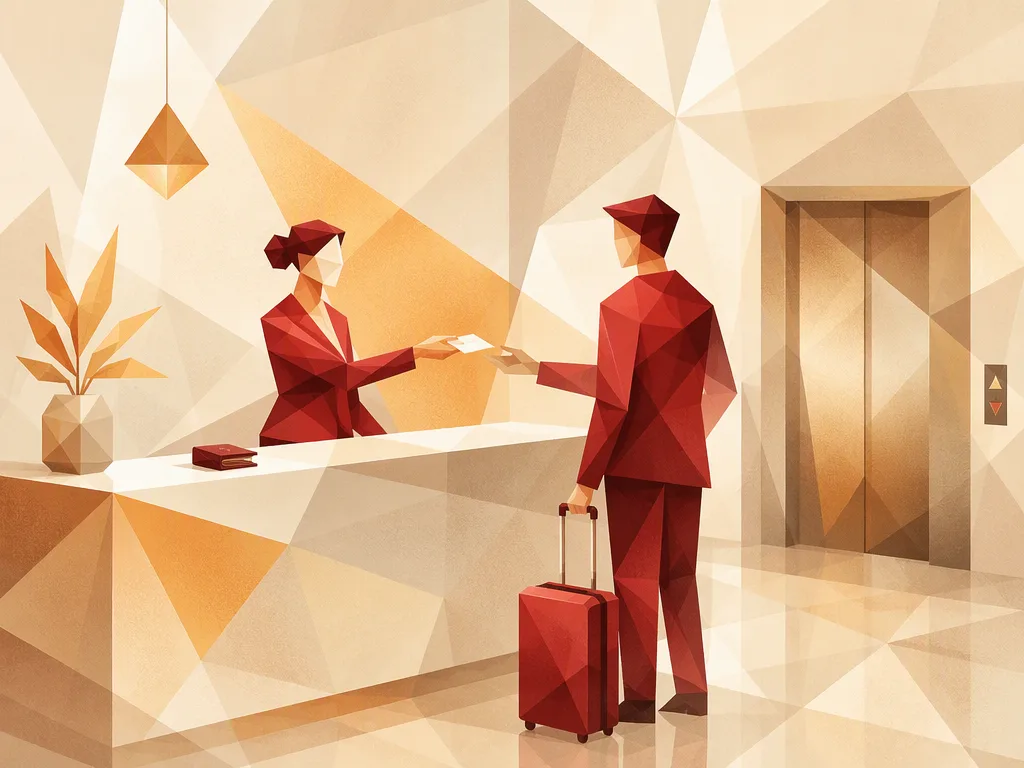
Registro de entrada en un hotel
El registro de entrada en un hotel incluye nombres, detalles de la habitación y una llave de la habitación. Un huésped proporciona los datos de su reserva y pregunta por la habitación y el desayuno. Las preguntas breves reutilizan palabras como room y key.
Vocafy

Tomar café con un amigo
Reúnete con un amigo en una cafetería y pide una bebida. Sigue la visita desde buscar una mesa hasta tomar café y té. Las peticiones breves repiten palabras conocidas sobre las opciones de bebidas y el pago.
Vocafy

Facturación para un vuelo
Este conjunto trata sobre cómo facturar para un vuelo y entregar una maleta. Las tarjetas siguen a un viajero desde el mostrador de facturación hasta el punto de entrega de equipaje. Las peticiones breves y las palabras repetidas conectan cada paso.
Vocafy

Conocer a alguien nuevo
Esta colección incluye saludos y datos personales básicos para cuando conoces a alguien nuevo.Dos personas se saludan, hablan de su hogar, su familia, su trabajo y sus intereses, y luego se despiden. Las preguntas y respuestas breves repiten palabras conocidas.
Vocafy
Tendencias del momento








Ideal para empezar
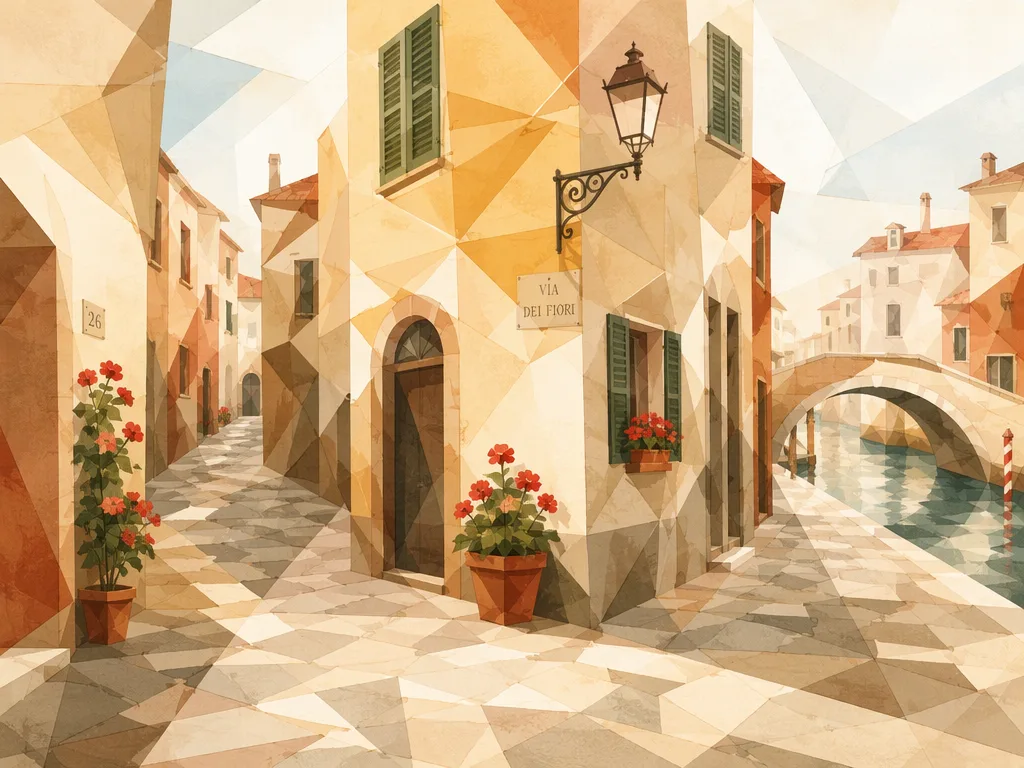
Finding Your Way in Town
Ask for and understand directions in the street when you are looking for a place in an Italian town.Polite openings: address strangers with the polite Lei form, such as Scusi, and understand polite commands like vada (go) and giri (turn).Everyday places: ask for a square, the station, a pharmacy or a bus stop.Clear directions: catch the common phrases for straight ahead, left, right, nearby and a few minutes on foot.
Vocafy
At the Bar: Coffee and Breakfast
Step into an Italian bar for morning coffee and breakfast, from ordering at the counter to paying at the till.How the bar works: standing at the counter (al banco), sitting at a table (al tavolo), or paying first at the till (la cassa)Polite questions from the barista using the formal Lei formOrdering coffee, filled or plain pastries, and a glass of water
Vocafy
Meeting Someone New
First conversations in Italian when meeting people your own age at a language course, a hostel, or a party, alongside a few polite phrases for a host or an older neighbor.Greeting someone and asking their name with informal tu and polite LeiSaying where you come from and where you live with essere di, venire da, abitare, and vivereTalking about work, studies, why you are in Italy, and how much Italian you speak
Vocafy

Mi celular en el uso diario
Habla sobre tu celular en situaciones cotidianas en Francia: llamar a alguien, enviar mensajes, conectarse a internet y lidiar con una batería descargada o un celular dañado.Palabras cotidianas: le portable, le message, le réseau, la batterie, le chargeurVerbos clave: appeler, répondre, envoyer, charger, marcherNotas sobre el uso en francés: palabras regionales para los celulares y expresiones naturales como avoir du réseau y je n'ai plus de batterie.
Vocafy

Cómo paso mi tiempo libre
Habla sobre lo que disfrutas hacer fuera del trabajo o los estudios, desde tardes tranquilas en casa hasta mantenerte activo y salir con amigos.Actividades cotidianas: palabras comunes sobre música, lectura, cocina, deportes y relajación.Gustos y preferencias: formas naturales de decir lo que te gusta, te encanta o prefieres hacer.Tu rutina semanal: presta atención a cómo las palabras de frecuencia como souvent y las expresiones de tiempo como le soir o le week-end conectan los pasatiempos con la vida real.Mientras escuchas, imagina tu propia semana e intenta cambiar las actividades de los ejemplos por las cosas que realmente haces.
Vocafy

Historias detrás de mis fotos
Habla sobre las fotos de tu celular o de un álbum. En esta colección, conocerás palabras cotidianas para indicar dónde están las personas en la imagen, decir qué están haciendo y qué llevan puesto, y compartir recuerdos sencillos.Observa cómo en francés se usa sur la photo (sobre la foto) en lugar de 'en'.Aprende palabras de posición en pares, como à gauche y à droite, o devant y derrière.Practica abriendo tu propia galería de fotos y describiendo dos o tres imágenes en voz alta.
Vocafy

Estudio tranquilo entre clases
Habla sobre leer, escribir y estudiar por tu cuenta en casa o en una biblioteca.Objetos cotidianos: libros, cuadernos, bolígrafos y diccionarios.Acciones clave de estudio: leer textos, buscar palabras, tomar apuntes y hacer ejercicios.Flujo natural: sigue una sesión de estudio tranquila desde abrir un libro hasta repasar antes de la siguiente clase.
Vocafy
Leer y decir la hora
Pregunta y di la hora en francés, habla sobre horarios diarios y comprende los horarios de apertura de las tiendas.Decir la hora: expresiones con Il est..., cuartos, medias horas, mediodía y medianoche.Partes del día: cómo especificar la mañana, la tarde y la noche, además del reloj de 24 horas que se usa en Francia para los horarios.Horarios de apertura: palabras esenciales para indicar cuándo abren y cierran los lugares.Observa cómo en francés se pone primero la hora y se agregan los minutos, et quart o et demie justo después de heures.
Vocafy
Colecciones Voca agregadas recientemente
Reacting in Conversation
Short expressions and spoken fillers Italians use to react in everyday conversation with friends:Surprise, joy and relief: Davvero?, Ma dai!, Che bello!, Meno male!Sympathy, agreement and reassurance: Che peccato!, Appunto!, Figurati!, Ci mancherebbe!Doubt, impatience and spoken fillers: Macché!, Uffa!, Boh!, cioè, insommaListen closely to the intonation in the examples, since tone of voice gives these short reactions much of their meaning.
Vocafy
Museums, Sights and Guided Tours
Follow a visit to an Italian museum, exhibition or historic church from the ticket desk to the exit.Buying full-price or reduced tickets, checking opening hours and picking up an audio guideUnderstanding museum and church rules about bags, photos and dress codesJoining a guided tour, asking the guide questions with polite Lei and talking about what was worth seeing
Vocafy
Cooking at Home
Cook a meal in Italian from prepping vegetables to bringing the pan to the table, using the everyday words friends say in the kitchen.Cooking steps: verbs for cutting, heating oil, sautéing, boiling, stirring, draining and tastingIn the kitchen: the pot and the pan, cooking heat, and everyday measures like un filo d'olio and un pizzico di saleNatural remarks: short sentences using tu that follow the order of making a meal together
Vocafy
Making Plans With Friends
Informal phrases and verbs for making, changing and cancelling plans with friends in Italian, using tu.Suggesting an aperitivo, a dinner or a weekend trip, and accepting with enthusiasmFixing a time and place, booking a table and picking someone upSaying you cannot make it, moving a plan to another day or texting that you are running lateNotice how verbs for meeting and keeping in touch use ci for 'each other': ci vediamo, ci troviamo, ci sentiamo.
Vocafy
At the Pharmacy on a Trip
If you feel unwell or have a minor accident while traveling in Italy, your first stop is usually a farmacia, where a pharmacist can give advice and sell most everyday remedies over the counter.Explain what is wrong: say where it hurts and describe common problems like a fever, a cold, a stomach ache, sunburn, or an insect bite.Ask for what you need: polite phrases with formal Lei to ask for a remedy and tell the pharmacist how long you have had your symptoms.Understand the advice: follow simple instructions on how and when to take a medicine, and know when you need a prescription or a doctor.
Vocafy
Free Time and Hobbies
Talk with friends about what you enjoy doing in your free time, how often you do it, and invite someone to join you.Pay attention to the verb that goes with each activity: Italians use fare for general exercise, walks and photography, giocare a for games and ball sports, suonare for musical instruments, and andare for places like the gym or the mountains.Listen to how frequency expressions like nel fine settimana and due volte alla settimana fit naturally into everyday sentences.
Vocafy

At the Market and in Shops
Phrases and words you hear and use at an Italian food market and in small shops, from buying cheese by weight to trying on clothes and paying at the till.Order quantities at the counter with un etto di and mezzo chilo, ask for a taste, and check the price.Browse in a shop, ask to try something on, and ask for another size or a gift wrap.Notice how shopkeepers and customers speak to each other using polite Lei forms such as Desidera?, Mi dà…? and Ecco a Lei.
Vocafy
At a Hotel or B&B
Words and phrases for staying at a hotel or B&B in Italy, from arriving late for check-in to leaving your bags on the last day.Follows the order of a real stay: getting your key, sorting out the wrong room, reporting things that do not work, checking breakfast times and paying the tourist tax.Notice how guests and staff address each other politely using the formal Lei form, with phrases like Scusi, Mi può dare and Preferisce.
Vocafy
¿Quieres crear tu propia Colección Voca?
Genera Colecciones Voca completas con IA en segundos, importa palabras desde tus lecturas o crea tus propias colecciones de estudio desde cero.