


Développez votre vocabulaire avec les collections Voca
Explorez des Collections Voca pour tous les niveaux CECRL, entraînez-vous avec de l’audio interactif ou générez des Collections Voca sur mesure avec l’IA en quelques secondes

Talking About Weekend Plans
 Vocafy

Asking for Street Directions
Vocafy

Trying on Clothes
Vocafy

Eating at a Restaurant
Vocafy
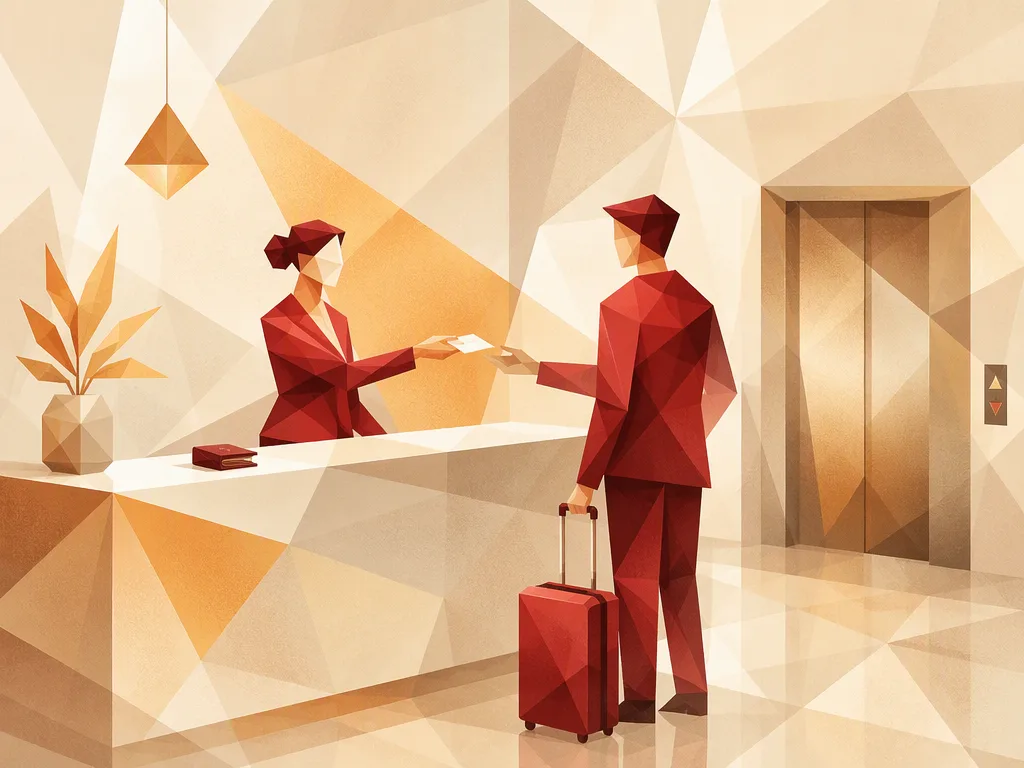
Checking Into a Hotel Room
Vocafy
Collections Voca à la une
Talking About Weekend Plans
You meet everyday words and short phrases for weekend plans. One friend talks with Mia and Ben about movies, dinner, and time together. The examples reuse familiar activities as the friends choose what to do.
Vocafy
Asking for Street Directions
Basic questions and street directions guide a walk to the library. You ask a woman for help, follow her directions, and find the entrance. Short questions and directions appear alongside words for places you pass.
Vocafy
Trying on Clothes
Common words and short phrases for trying on clothes appear in a shopping story. A shopper chooses a shirt and pants, tries them on, and asks for different sizes. Size words and short phrases show what feels wrong and what fits well.
Vocafy
Eating at a Restaurant
You meet common restaurant words and polite requests. Two friends find a table, choose drinks, and order food. The examples reuse familiar words in short questions and requests.
Vocafy
Checking Into a Hotel Room
Hotel check-in includes names, room details, and a room key. A guest gives reservation details and asks about the room and breakfast. Short questions reuse words like room and key.
Vocafy

Getting Coffee With a Friend
Meet a friend at a café and order a drink. Follow the visit from finding a table to drinking coffee and tea. Short requests repeat familiar words for drink choices and payment.
Vocafy

Checking In for a Flight
This set covers checking in for a flight and dropping off a bag. The cards follow a traveler from the check-in counter to the bag drop. Short requests and repeated words connect each step.
Vocafy

Meeting Someone New
This set covers greetings and simple personal details when you meet someone new.Two people say hello, talk about home, family, work, and interests, and then say goodbye. Short questions and answers repeat familiar words.
Vocafy
Tendances du moment








Idéal pour débuter
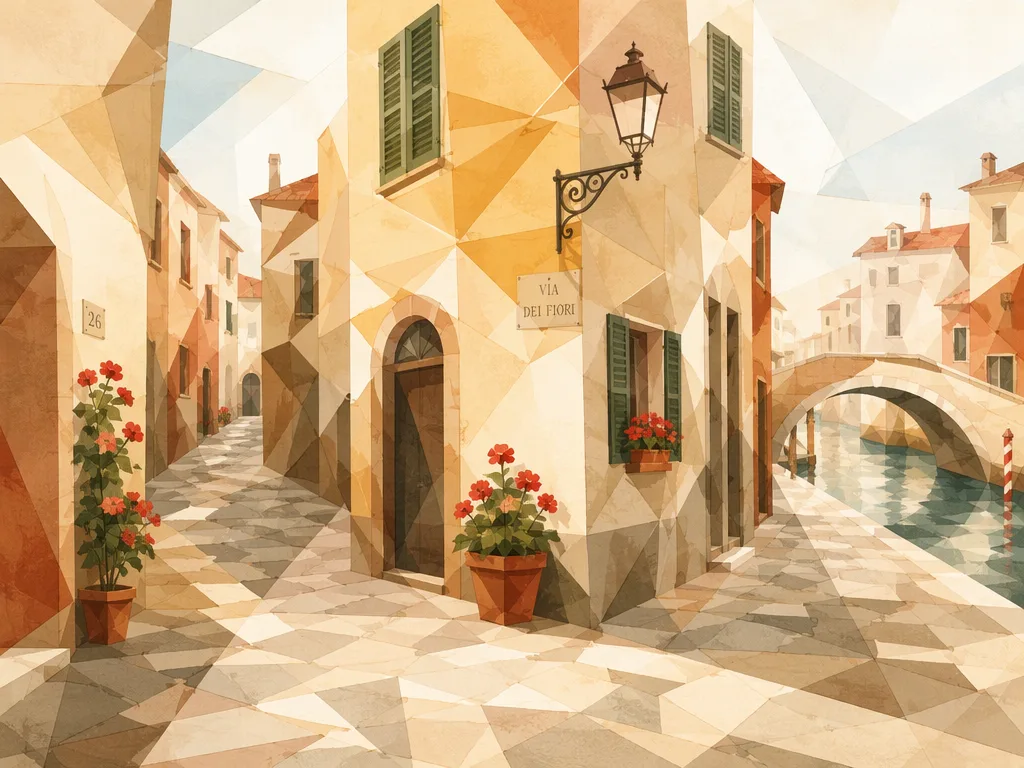
Finding Your Way in Town
Ask for and understand directions in the street when you are looking for a place in an Italian town.Polite openings: address strangers with the polite Lei form, such as Scusi, and understand polite commands like vada (go) and giri (turn).Everyday places: ask for a square, the station, a pharmacy or a bus stop.Clear directions: catch the common phrases for straight ahead, left, right, nearby and a few minutes on foot.
Vocafy
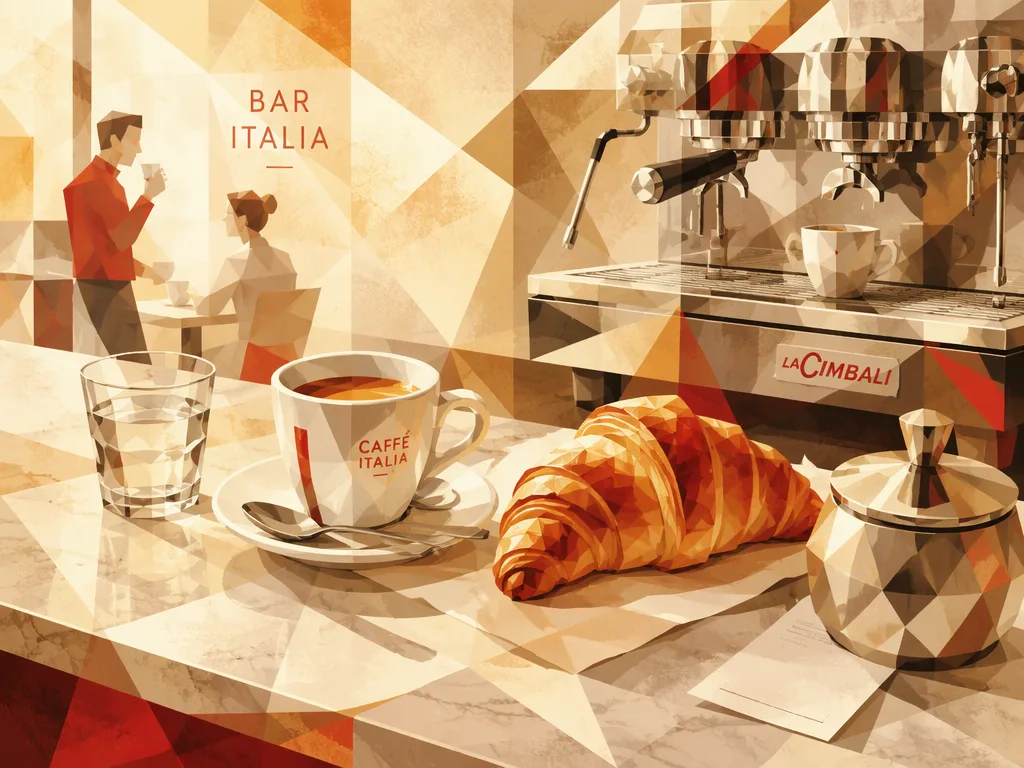
At the Bar: Coffee and Breakfast
Step into an Italian bar for morning coffee and breakfast, from ordering at the counter to paying at the till.How the bar works: standing at the counter (al banco), sitting at a table (al tavolo), or paying first at the till (la cassa)Polite questions from the barista using the formal Lei formOrdering coffee, filled or plain pastries, and a glass of water
Vocafy
Meeting Someone New
First conversations in Italian when meeting people your own age at a language course, a hostel, or a party, alongside a few polite phrases for a host or an older neighbor.Greeting someone and asking their name with informal tu and polite LeiSaying where you come from and where you live with essere di, venire da, abitare, and vivereTalking about work, studies, why you are in Italy, and how much Italian you speak
Vocafy

Mon téléphone au quotidien
Parlez de votre téléphone dans les situations du quotidien en France : appeler quelqu'un, envoyer des messages, se connecter à Internet et gérer une batterie à plat ou un téléphone cassé.Mots du quotidien : le portable, le message, le réseau, la batterie, le chargeurVerbes clés : appeler, répondre, envoyer, charger, marcherNotes sur l'usage en français : les mots régionaux pour désigner le téléphone portable et des expressions naturelles comme avoir du réseau et je n'ai plus de batterie.
Vocafy

Comment je passe mon temps libre
Parlez de ce que vous aimez faire en dehors du travail ou des études, des soirées tranquilles à la maison au fait de rester actif et de sortir avec des amis.Activités quotidiennes : le vocabulaire courant pour la musique, la lecture, la cuisine, le sport et la détente.Goûts et préférences : des façons naturelles de dire ce que vous aimez, adorez ou préférez faire.Votre routine hebdomadaire : prêtez attention à la manière dont les mots de fréquence comme souvent et les expressions de temps comme le soir ou le week-end relient les loisirs à la vie réelle.En écoutant, imaginez votre propre semaine et essayez de remplacer les activités des exemples par ce que vous faites réellement.
Vocafy

Les histoires derrière mes photos
Parlez des photos sur votre téléphone ou dans un album. Dans cette série, vous découvrirez des mots du quotidien pour indiquer où se trouvent les personnes dans le cadre, dire ce qu'elles font et portent, et partager des souvenirs simples.Remarquez comment le français utilise sur la photo (on the photo) plutôt que 'in'.Apprenez les mots de position par paires comme à gauche et à droite, ou devant et derrière.Entraînez-vous en ouvrant votre propre galerie photo et en décrivant deux ou trois images à voix haute.
Vocafy

Étude au calme entre les cours
Parlez de lecture, d'écriture et d'étude en autonomie à la maison ou à la bibliothèque.Objets du quotidien : livres, cahiers, stylos et dictionnaires.Actions d'étude essentielles : lire des textes, chercher des mots, prendre des notes et faire des exercices.Déroulement naturel : suivez une séance d'étude au calme, de l'ouverture d'un livre aux révisions avant le prochain cours.
Vocafy
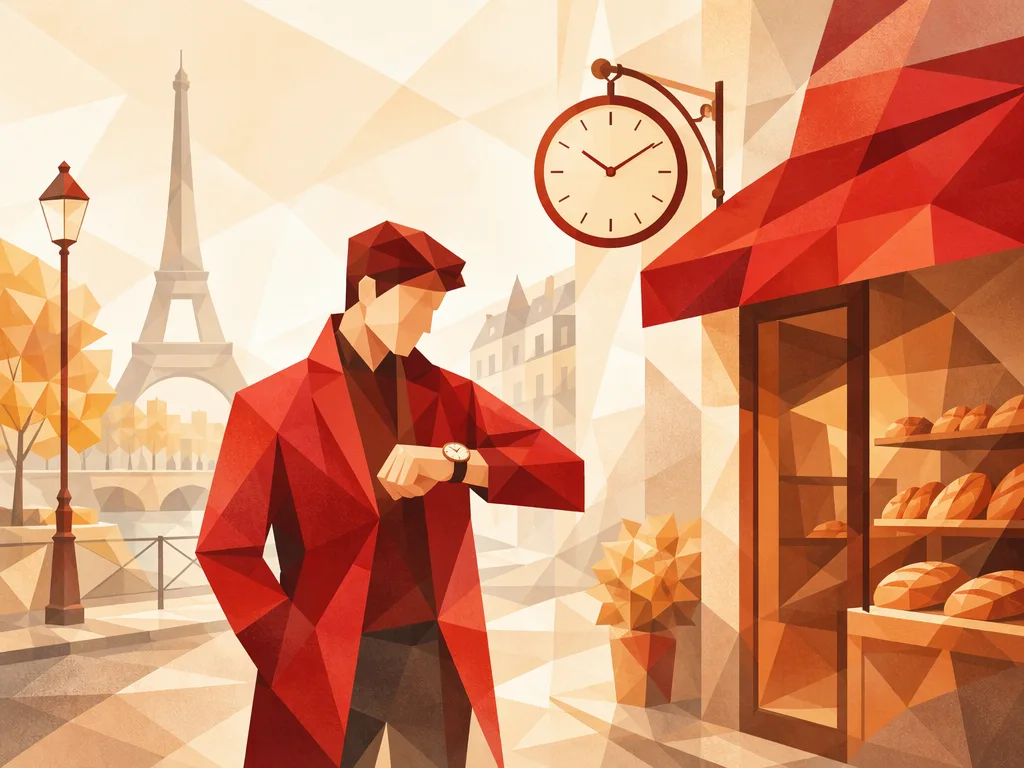
Lire et dire l'heure
Demandez et dites l'heure en français, parlez de votre emploi du temps quotidien et comprenez les horaires d'ouverture des magasins.Dire l'heure : les expressions avec Il est..., les quarts, les demies, midi et minuit.Les moments de la journée : comment préciser le matin, l'après-midi et le soir, ainsi que le format 24 heures utilisé en France pour les horaires.Les horaires d'ouverture : les mots essentiels pour indiquer quand les lieux ouvrent et ferment.Remarquez comment le français place l'heure en premier et ajoute les minutes, et quart ou et demie juste après heures.
Vocafy
Collections Voca ajoutées récemment
Reacting in Conversation
Short expressions and spoken fillers Italians use to react in everyday conversation with friends:Surprise, joy and relief: Davvero?, Ma dai!, Che bello!, Meno male!Sympathy, agreement and reassurance: Che peccato!, Appunto!, Figurati!, Ci mancherebbe!Doubt, impatience and spoken fillers: Macché!, Uffa!, Boh!, cioè, insommaListen closely to the intonation in the examples, since tone of voice gives these short reactions much of their meaning.
Vocafy
Museums, Sights and Guided Tours
Follow a visit to an Italian museum, exhibition or historic church from the ticket desk to the exit.Buying full-price or reduced tickets, checking opening hours and picking up an audio guideUnderstanding museum and church rules about bags, photos and dress codesJoining a guided tour, asking the guide questions with polite Lei and talking about what was worth seeing
Vocafy
Cooking at Home
Cook a meal in Italian from prepping vegetables to bringing the pan to the table, using the everyday words friends say in the kitchen.Cooking steps: verbs for cutting, heating oil, sautéing, boiling, stirring, draining and tastingIn the kitchen: the pot and the pan, cooking heat, and everyday measures like un filo d'olio and un pizzico di saleNatural remarks: short sentences using tu that follow the order of making a meal together
Vocafy

Making Plans With Friends
Informal phrases and verbs for making, changing and cancelling plans with friends in Italian, using tu.Suggesting an aperitivo, a dinner or a weekend trip, and accepting with enthusiasmFixing a time and place, booking a table and picking someone upSaying you cannot make it, moving a plan to another day or texting that you are running lateNotice how verbs for meeting and keeping in touch use ci for 'each other': ci vediamo, ci troviamo, ci sentiamo.
Vocafy
At the Pharmacy on a Trip
If you feel unwell or have a minor accident while traveling in Italy, your first stop is usually a farmacia, where a pharmacist can give advice and sell most everyday remedies over the counter.Explain what is wrong: say where it hurts and describe common problems like a fever, a cold, a stomach ache, sunburn, or an insect bite.Ask for what you need: polite phrases with formal Lei to ask for a remedy and tell the pharmacist how long you have had your symptoms.Understand the advice: follow simple instructions on how and when to take a medicine, and know when you need a prescription or a doctor.
Vocafy
Free Time and Hobbies
Talk with friends about what you enjoy doing in your free time, how often you do it, and invite someone to join you.Pay attention to the verb that goes with each activity: Italians use fare for general exercise, walks and photography, giocare a for games and ball sports, suonare for musical instruments, and andare for places like the gym or the mountains.Listen to how frequency expressions like nel fine settimana and due volte alla settimana fit naturally into everyday sentences.
Vocafy

At the Market and in Shops
Phrases and words you hear and use at an Italian food market and in small shops, from buying cheese by weight to trying on clothes and paying at the till.Order quantities at the counter with un etto di and mezzo chilo, ask for a taste, and check the price.Browse in a shop, ask to try something on, and ask for another size or a gift wrap.Notice how shopkeepers and customers speak to each other using polite Lei forms such as Desidera?, Mi dà…? and Ecco a Lei.
Vocafy

At a Hotel or B&B
Words and phrases for staying at a hotel or B&B in Italy, from arriving late for check-in to leaving your bags on the last day.Follows the order of a real stay: getting your key, sorting out the wrong room, reporting things that do not work, checking breakfast times and paying the tourist tax.Notice how guests and staff address each other politely using the formal Lei form, with phrases like Scusi, Mi può dare and Preferisce.
Vocafy
Et si vous créiez votre propre Collection Voca ?
Générez des Collections Voca complètes avec l’IA en quelques secondes, importez des mots depuis vos lectures ou créez vos propres Collections Voca à partir de zéro.